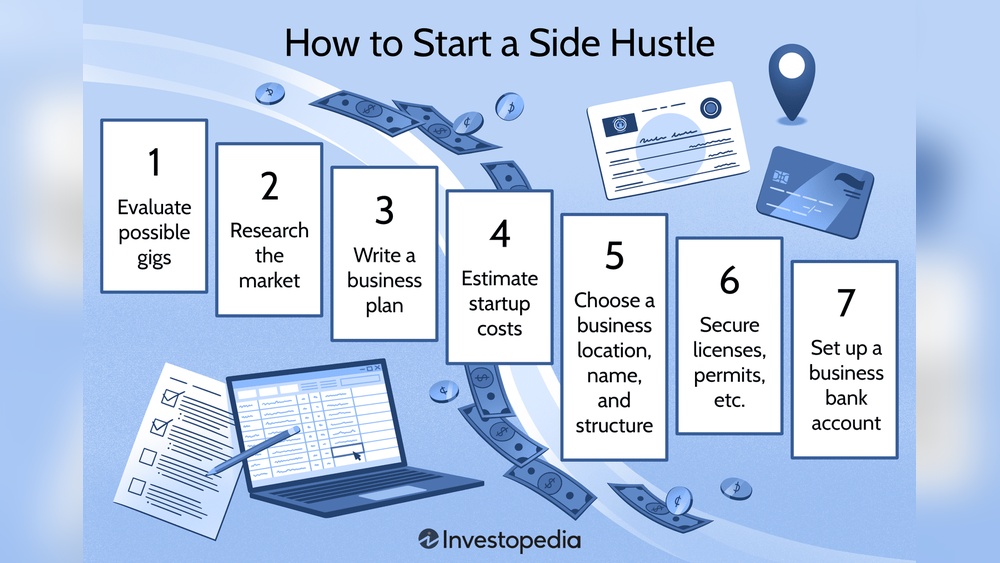

Starting a side hustle can boost your income and skills. Many people want extra money but don’t know where to begin.
A side hustle means earning money outside your main job. It offers freedom to explore interests and test ideas. Most side hustles need little money to start. Planning is important to balance time and effort. Knowing clear steps helps avoid mistakes and stress.
This guide explains simple ways to start your side hustle right. You will learn how to pick an idea, set goals, and manage your time. Anyone can begin with the right plan. Side hustles can grow into full businesses or stay small for extra cash. Starting smart saves time and energy in the long run. Ready to take the first step?
Identify Your Skills
Starting a side hustle begins with understanding your skills. Identifying your skills helps you find the right business idea. It shows what you can do well and enjoy doing. This step saves time and boosts your chances of success. Focus on what you know and can offer others.
Assess Your Strengths And Talents
Make a list of things you do well. Think about tasks that come easily to you. These can be skills from work, hobbies, or daily life.
- Writing or editing
- Graphic design
- Teaching or coaching
- Cooking or baking
- Technical skills like coding
Ask friends or family what they think you do best. Sometimes others see strengths you miss.
Match Skills With Market Demand
Not all skills have equal value in the market. Look for skills people pay for. Use online tools to check popular freelance jobs or services.
| Skill | Demand Level | Examples of Side Hustles |
|---|---|---|
| Writing | High | Blogging, copywriting, editing |
| Graphic Design | High | Logo creation, social media graphics |
| Gardening | Medium | Landscaping, plant care services |
| Language Teaching | High | Online tutoring, language courses |
Identify Transferable Skills
Some skills work in many jobs. These are transferable skills. They include:
- Communication
- Problem-solving
- Time management
- Customer service
Use these skills to offer services like consulting or virtual assistance. They help in many side hustles.
Test Your Skills With Small Projects
Try simple projects to see how your skills work in real situations. This helps you improve and gain confidence. Examples:
- Create a small website if you know coding
- Write a few articles for free or low pay
- Design flyers for local events
Gather feedback from clients or friends. Adjust your approach based on their input.
Research Market Demand
Starting a side hustle requires careful planning and research. One of the most important steps is to research market demand. This means finding out if people want the product or service you plan to offer. Understanding demand helps avoid wasting time and money on ideas that won’t sell.
What Is Market Demand?
Market demand is the number of people who want to buy a product or service. It shows how popular or needed your idea is. High demand means many customers want your offer. Low demand means fewer buyers and less chance of success.
How To Identify Your Target Audience
Knowing who will buy your product is key. Your target audience includes people who face a problem your product solves. To find them, ask these questions:
- What age group are they in?
- Where do they live?
- What are their interests?
- What problems do they have?
Answering these helps focus your marketing and product design.
Use Online Tools To Check Demand
Several free and paid tools help find market demand quickly.
| Tool | Purpose | How It Helps |
|---|---|---|
| Google Trends | Shows search interest over time | Reveals if demand is growing or falling |
| Keyword Planner | Finds search volume for keywords | Estimates how many people search for your idea |
| Social Media | Checks popular topics and discussions | Identifies customer needs and trends |
Analyze Your Competitors
Study businesses offering similar products. Look at their prices, reviews, and customer feedback. Learn what customers like and dislike. Use this info to make your offer better or different.
- List main competitors.
- Check their websites and social media.
- Read customer reviews.
- Note strengths and weaknesses.
Test Your Idea Before Launch
Try a small test to see if people want your product. Methods include:
- Surveys or polls
- Pre-selling products
- Creating a landing page to collect emails
Testing reduces risk and improves your side hustle’s chance of success.
Choose A Profitable Idea
Choosing a profitable idea is the first and most important step in starting a side hustle. A good idea makes it easier to earn money and stay motivated. It should match your skills and interests. Also, it must have demand in the market. This section explains how to find an idea that works well for you.
Identify Your Skills And Interests
Start by listing things you enjoy and skills you have. This will help you find ideas you can do well and enjoy. Working on something you like keeps you motivated.
- Write down your hobbies and talents.
- Think about tasks you do easily.
- Ask friends what you are good at.
Pick ideas that fit your list. This makes your side hustle more fun and effective.
Check if people want what you plan to offer. No demand means no customers. Use simple tools to learn about demand.
- Search Google for popular products or services.
- Use keyword tools like Google Keyword Planner.
- Look at trends on social media or marketplaces.
Choose ideas with steady or growing demand to ensure good sales.
Analyze Competition
Know who else sells similar products or services. Competition can be good or bad.
| Low Competition | High Competition |
|---|---|
| Easier to enter market | Harder to stand out |
| May have less demand | Shows strong market interest |
Find a balance. Look for ideas with some competitors but still room to grow.
Estimate Profitability
Calculate how much money you can make. Think about costs and prices.
- List all expenses (materials, tools, marketing).
- Set a realistic price for your product or service.
- Subtract costs from price to find profit.
Pick ideas with good profit potential to keep your side hustle sustainable.

Credit: www.clevergirlfinance.com
Set Clear Goals
Starting a side hustle can be exciting and rewarding. Setting clear goals is the first and most important step. Goals give you direction and help measure your progress. Without goals, it is easy to lose focus or feel overwhelmed. Clear goals keep you motivated and organized as you build your side business.
Define What Success Means To You
Success looks different for everyone. Some want extra income, others want to learn new skills or build a business. Decide what success means for your side hustle. Write down what you want to achieve. This helps keep your efforts focused on what matters most.
- Earn extra $500 a month
- Build a client base of 10 customers
- Learn digital marketing skills
- Turn side hustle into full-time job
Set Smart Goals
SMART goals are:
- Specific: Clear and detailed
- Measurable: Can track progress
- Achievable: Realistic to reach
- Relevant: Important to your overall plan
- Time-bound: Have a deadline
Example of a SMART goal:
Earn $300 from freelance writing in 3 monthsBreak Goals Into Small Steps
Big goals can feel overwhelming. Breaking them into smaller tasks makes them easier to manage. It also creates a clear plan of action.
- Research freelance writing platforms
- Create a profile on 3 websites
- Write 2 sample articles
- Apply to 5 jobs each week
- Track earnings weekly
Review And Adjust Your Goals Regularly
Life changes. Your side hustle goals should change too. Set a time to review your goals every month or quarter. Adjust them based on progress and new priorities. Stay flexible but focused.
| Goal | Deadline | Progress Check | Adjustments |
|---|---|---|---|
| Earn $300 in 3 months | June 30 | Monthly earnings review | Increase job applications if behind |
| Build email list of 100 | September 30 | Monthly subscriber count | Try new marketing tactics |
Create A Simple Business Plan
Creating a simple business plan is a key step to start a side hustle. It helps you organize your ideas and set clear goals. A good plan guides your actions and shows what to do next. It does not need to be long or complicated. Just focus on the main points to keep your plan easy and useful.
Define Your Side Hustle Idea
Write down what your side hustle is about. Be clear and simple. Explain what product or service you will offer. Think about why people will want it.
- What problem does it solve?
- Who will buy it?
- How is it different from others?
Goals help you measure progress. Use small, easy goals to stay motivated. Write down what you want to achieve in the next 3, 6, and 12 months.
- Reach 10 customers
- Make $500 in sales
- Build a website or social page
Plan Your Budget
Know how much money you need to start. List your costs such as materials, tools, or advertising. Also, plan how you will pay for them.
| Item | Estimated Cost |
|---|---|
| Materials | $100 |
| Marketing | $50 |
| Website | $30 |
Choose Your Working Hours
Decide how much time you can spend each week. Pick hours that fit your main job and personal life. Keep a schedule to stay consistent.
Write Your Action Steps
Break your plan into small tasks. List each step from start to finish. Check them off as you go to track progress.
1. Research market 2. Create product sample 3. Set up social media page 4. Promote to friends and family 5. Take first orders 6. Deliver and get feedback Manage Your Time Effectively
Starting a side hustle takes effort and focus. Managing your time well helps balance work, life, and your new project. Good time management makes tasks easier and reduces stress. Use simple methods to stay on track and get things done faster.
Set Clear Priorities
List your tasks in order of importance. Focus on the most important jobs first. This keeps you from wasting time on less useful activities.
- Write down your daily tasks.
- Mark urgent and important items.
- Complete high-priority tasks before others.
Create A Schedule
Plan your day and week with specific times for your side hustle. Stick to your schedule to build good habits.
- Choose a time block for work on your side hustle.
- Include breaks to avoid burnout.
- Review your schedule weekly and adjust as needed.
Limit Distractions
Reduce interruptions to stay focused. Turn off phone notifications and find a quiet workspace.
| Distraction | How to Limit |
|---|---|
| Social Media | Use apps that block social sites during work time |
| Phone Calls | Set phone to silent or Do Not Disturb mode |
| Noise | Find a quiet place or use noise-canceling headphones |
Use Time Management Tools
Apps and tools help track your time and tasks. This keeps you organized and on schedule.
- Try calendar apps to plan your work.
- Use task managers to track progress.
- Set reminders to meet deadlines.
Build An Online Presence
Building an online presence is a key step to start a side hustle. It helps people find your services or products easily. A strong online presence builds trust and shows your professionalism. The internet gives a chance to reach many potential customers without high costs. Follow these simple steps to create and grow your online presence.
Choose Your Platform
Select the right platform based on your side hustle type. Here are common options:
- Website: Best for most businesses. Gives full control over your brand.
- Social Media: Great for quick interaction and sharing updates.
- Marketplaces: Useful for selling products directly to buyers.
Start with one or two platforms to avoid spreading yourself too thin.
Create Quality Content
Content attracts and keeps visitors on your page. Use clear and simple language. Share useful tips, product details, or stories about your hustle.
- Write short articles or blog posts.
- Post photos or videos showing your work.
- Use clear titles and descriptions with keywords.
Consistent content helps search engines show your site to more people.
Optimize For Search Engines (seo)
SEO makes your site easy to find on Google and other search engines. Use keywords that describe your business well.
- Include keywords in titles and headings.
- Write meta descriptions that explain your page content.
- Use alt text on images to describe them.
- Make sure your website loads fast and works well on phones.
Good SEO increases visitors and potential customers.
Engage With Your Audience
Building a connection with your audience grows trust. Reply to comments and messages quickly. Ask for feedback and show appreciation.
- Post regularly to keep your audience interested.
- Use polls or questions to invite interaction.
- Share behind-the-scenes content to show your process.
Active engagement helps build a loyal community around your side hustle.
Launch Your Side Hustle
Starting a side hustle is exciting. The launch phase sets the tone for success. It means turning your idea into action. This stage involves planning, preparing, and taking the first steps to begin earning.
Choose The Right Platform
Pick a platform that fits your side hustle. Options include websites, social media, or marketplaces. Each platform has its strengths. Consider where your audience spends time and how you want to sell or share your work.
- Websites: Great for full control and branding.
- Social Media: Useful for quick reach and engagement.
- Marketplaces: Ideal for selling products easily.
Set Up Your Business Essentials
Prepare all the basics before launch. This includes registering your business name, creating a logo, and setting up payment methods. Clear business essentials make your side hustle look professional and trustworthy.
- Register your business or get necessary licenses.
- Create a simple, clear logo or brand image.
- Set up payment options like PayPal, Stripe, or bank transfers.
Plan Your First Marketing Steps
Marketing helps you reach customers fast. Start small with easy, effective actions. Use social media posts, email announcements, or word of mouth. The goal is to build interest and attract early customers.
| Marketing Method | Why It Works | Tips |
|---|---|---|
| Social Media | Connects with many people quickly | Post regularly and engage with followers |
| Direct contact with interested buyers | Send clear, short messages with offers | |
| Word of Mouth | Trusted by friends and family | Ask people to share your side hustle |
Test Your Product Or Service
Before full launch, test your offering. Gather feedback from friends or small groups. This helps find problems and improve your work. Testing reduces risks and builds confidence.
- Ask for honest opinions on quality and value.
- Fix issues before reaching more customers.
- Use feedback to refine your product or service.
Set Realistic Goals And Track Progress
Goals keep you focused and motivated. Start with small, clear targets. Track your progress regularly to see what works. Adjust plans based on results to stay on the right path.
Example of simple goal tracking table Goal Deadline Status Launch website May 15 In progress Get 10 customers June 30 Not started
Track Progress And Adjust
Tracking progress and adjusting your plan is key to growing a successful side hustle. It helps you see what works and what needs change. Without tracking, you might miss important signs and lose time or money. Adjusting keeps your side hustle moving in the right direction.
Setting Clear Goals
Start by writing simple, clear goals. These goals show what success looks like. Use numbers or dates to make goals easy to check. For example:
- Earn $200 extra per month.
- Get 50 new customers in three months.
- Complete 10 projects by next quarter.
Clear goals help track progress and know when to adjust your plan.
Using Tools To Track Your Progress
Use tools to keep track of your work and results. Some easy tools include:
- Spreadsheets: Track income, expenses, and tasks.
- Apps: Use apps like Trello or Asana to manage tasks.
- Financial software: QuickBooks or Wave can track money flow.
Choose tools that fit your needs. Regular tracking shows your growth and challenges.
Analyzing Results Regularly
Look at your data every week or month. Ask yourself:
- Are sales or clients increasing?
- Are expenses under control?
- Is my time spent well?
Find patterns. Spot problems early. This helps decide what to keep or change.
Making Smart Adjustments
Use your analysis to change your plan. Adjustments can include:
- Improving your marketing method.
- Changing prices or offers.
- Cutting time on less important tasks.
- Learning new skills to work faster.
Small changes often lead to better results. Keep testing and improving step by step.
Keeping Motivation With Progress Tracking
Seeing progress keeps motivation high. Celebrate small wins like:
- First sale made.
- Positive customer feedback.
- Saving money on expenses.
Tracking helps you stay focused. It shows how far you have come.

Credit: www.skillsyouneed.com

Credit: www.davidhessel.com
Frequently Asked Questions
What Is The First Step To Start A Side Hustle?
The first step is to identify your skills and interests. Research market demand and choose a side hustle that fits your schedule and goals. Planning is key to success.
How Much Time Should I Dedicate To A Side Hustle?
Start with 5-10 hours per week. Consistency matters more than long hours. Adjust based on your workload and progress.
Do I Need A Business Plan For A Side Hustle?
Yes, a simple business plan helps clarify your goals, target audience, and finances. It guides your growth and decision-making effectively.
How Can I Fund My Side Hustle Initially?
Use personal savings or small loans to start. Keep costs low by using free tools and resources. Avoid unnecessary expenses early on.
Conclusion
Starting a side hustle takes clear steps and steady effort. Choose an idea that fits your skills and time. Plan carefully to avoid common mistakes. Keep learning and adjusting as you grow. Small actions add up to big results. Stay patient and stay focused on your goals.
Your side hustle can bring extra income and new skills. Remember, every expert started as a beginner. Take the first step today and keep moving forward. Success comes with practice and persistence.