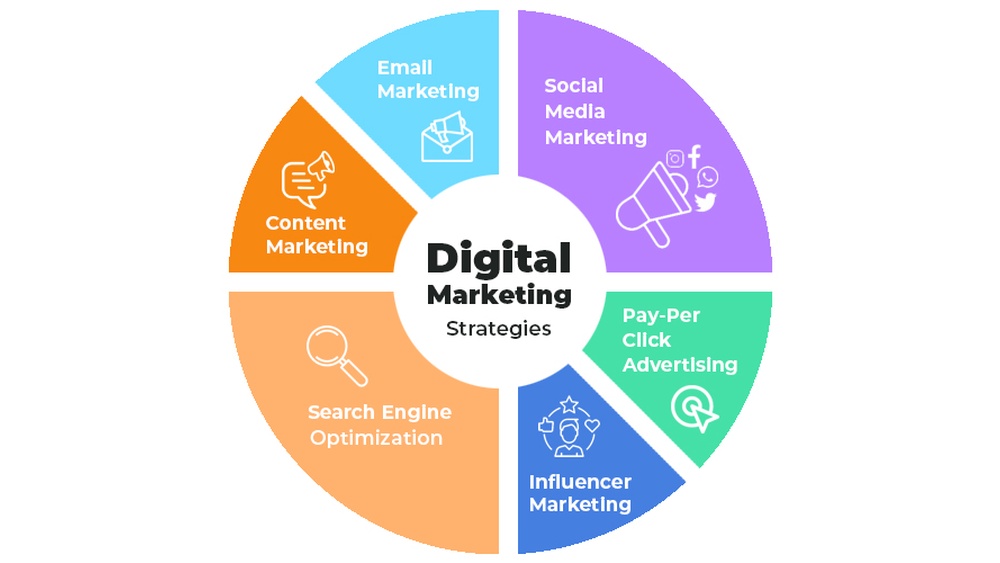

Digital marketing strategies help businesses reach more customers online. They guide how companies use the internet to grow sales and build brands.
Every business needs a plan to connect with people on the web. The right digital marketing strategies make this possible. These plans include many tools and methods like social media, email, and search engines. Using them well can bring more visitors to a website and turn visitors into buyers.
Understanding how these strategies work helps businesses save time and money. It also makes marketing efforts clearer and more effective. Whether a small shop or a large company, smart digital marketing strategies shape success in today’s online world.
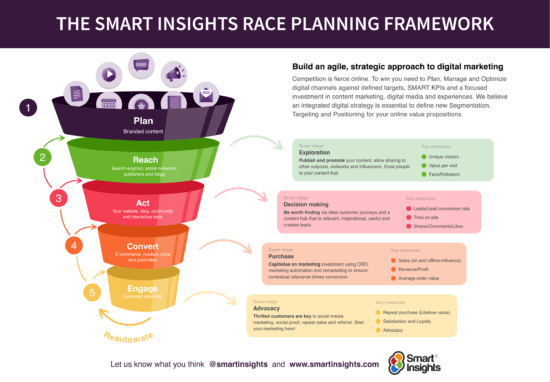
Credit: www.smartinsights.com
Key Digital Marketing Channels
Digital marketing involves many channels that help businesses reach their audience online. Choosing the right channels is key to success. These channels work together to build brand awareness, attract visitors, and increase sales. Understanding the main digital marketing channels helps create effective strategies that fit your goals.
Search Engine Optimization
Search Engine Optimization (SEO) improves a website’s visibility on search engines like Google. It helps your site appear higher in search results, making it easier for people to find your business.
SEO focuses on two main parts:
- On-page SEO: This includes using the right keywords, writing quality content, and optimizing titles and meta descriptions.
- Off-page SEO: This involves building backlinks from other reputable sites and increasing your site’s authority.
Good SEO practices include:
- Using keywords naturally within content.
- Creating fast-loading and mobile-friendly pages.
- Improving user experience with clear navigation.
- Regularly updating content to keep it fresh.
SEO results take time but offer long-term benefits. It is cost-effective and brings organic traffic that is more likely to convert.
Content Marketing
Content Marketing focuses on creating and sharing useful information to attract and engage your audience. This content can be blogs, videos, infographics, or podcasts.
Its purpose is to build trust and authority with potential customers. Good content answers questions and solves problems, which helps your brand stand out.
Effective content marketing includes:
- Understanding your audience’s needs.
- Producing high-quality and original content.
- Using clear and simple language.
- Promoting content through social media and email.
Content types to consider:
| Content Type | Purpose | Best For |
|---|---|---|
| Blog Posts | Educate and inform readers | Driving traffic and SEO |
| Videos | Explain products or ideas visually | Social media and engagement |
| Infographics | Present data clearly | Shares and quick learning |
Regular and consistent content helps maintain audience interest and improves search rankings.
Social Media Marketing
Social Media Marketing uses platforms like Facebook, Instagram, and Twitter to connect with customers. It builds brand awareness and encourages interaction.
This channel allows sharing content, running ads, and engaging directly with followers. It creates a community around your brand.
Important tips for social media marketing:
- Choose platforms where your audience is most active.
- Post regularly but keep content varied and interesting.
- Respond quickly to comments and messages.
- Use visuals like images and videos to increase engagement.
- Run targeted ads to reach specific groups.
Social media offers real-time feedback and helps build customer loyalty over time. It is ideal for storytelling and brand personality.
Email Marketing
Email Marketing sends messages directly to people’s inboxes. It remains a powerful tool for building relationships and driving sales.
Emails can include newsletters, product offers, or updates. Personalization increases open rates and click-throughs.
Best practices for email marketing:
- Segment your audience for relevant content.
- Write clear and catchy subject lines.
- Include a strong call-to-action (CTA).
- Design mobile-friendly emails.
- Test emails to improve performance.
Email marketing helps keep your brand top of mind. It works well for nurturing leads and encouraging repeat business.
Pay-per-click Advertising
Pay-Per-Click (PPC) Advertising allows businesses to place ads on search engines and social media. You pay only when someone clicks the ad.
PPC provides quick visibility and targets specific keywords or audiences. It complements SEO by driving immediate traffic.
Key elements of PPC campaigns:
- Choosing relevant keywords and phrases.
- Creating compelling ad copy and visuals.
- Setting a budget and bid strategy.
- Monitoring and optimizing campaign performance.
PPC works best for promotions, product launches, or time-sensitive offers. It offers measurable results and control over spending.
Crafting Effective Campaigns
Crafting effective campaigns is the heart of successful digital marketing strategies. A well-designed campaign connects with the right people, drives action, and achieves business goals. It requires careful planning, clear goals, and creative ideas. Each step, from targeting the audience to managing the budget, plays a vital role. This section breaks down the key parts of building campaigns that work.
Audience Targeting Techniques
Knowing your audience is crucial for any digital marketing campaign. Targeting the right people increases the chances of engagement and conversions. Start by defining your ideal customer based on demographics, interests, and behaviors.
- Demographics: Age, gender, location, education, and income.
- Interests: Hobbies, favorite brands, online activities.
- Behavior: Purchase history, website visits, device usage.
Use tools like Google Analytics and Facebook Audience Insights to gather data. Segment your audience into smaller groups for personalized messaging. For example:
| Segment | Characteristics | Preferred Channel |
|---|---|---|
| Young Adults | 18-25, tech-savvy, social media users | Instagram, TikTok |
| Professionals | 25-40, career-focused, LinkedIn users | LinkedIn, Email |
| Parents | 30-45, family-oriented, value deals | Facebook, Email |
Use retargeting to reconnect with users who showed interest but did not convert. Combine demographic and behavioral data to refine your targeting over time. Precise audience targeting reduces wasted ad spend and improves campaign results.
Setting Clear Objectives
Clear objectives guide every step of a digital marketing campaign. They focus your efforts and help measure success. Start by choosing goals that align with your overall business aims.
Common objectives include:
- Increasing website traffic
- Generating leads or sign-ups
- Boosting online sales
- Raising brand awareness
- Improving customer engagement
Use the SMART framework to set objectives:
- Specific: Define the exact goal.
- Measurable: Set criteria to track progress.
- Achievable: Ensure the goal is realistic.
- Relevant: Align with business needs.
- Time-bound: Set a deadline.
Example of a SMART objective:
Increase website leads by 20% within three months using targeted social media ads.
Write objectives clearly and share them with your team. Track performance regularly and adjust campaigns as needed. Well-defined objectives keep your campaign focused and effective.
Budget Allocation Tips
Budget planning is key to making campaigns successful and cost-efficient. Allocate your budget based on goals, audience, and channels. Start by determining the total amount you can spend.
Consider these tips for budget allocation:
- Prioritize channels: Spend more on platforms that reach your target audience best.
- Test and learn: Reserve part of the budget for testing new ideas.
- Adjust with data: Shift funds to high-performing ads or channels.
- Include all costs: Account for creative production, ad spend, tools, and monitoring.
Example budget allocation for a $5,000 campaign:
| Category | Percentage | Amount |
|---|---|---|
| Social Media Ads | 50% | $2,500 |
| Content Creation | 25% | $1,250 |
| Tools and Software | 15% | $750 |
| Testing and Optimization | 10% | $500 |
Track spending and results frequently. Avoid spending the entire budget upfront. Use data to guide future budget decisions. Smart allocation maximizes return on investment.
Creative Content Development
Creative content captures attention and encourages action. It must speak clearly to your audience’s needs and interests. Start with a strong idea that matches your objectives and audience profile.
Key elements of creative content:
- Clear message: Keep it simple and direct.
- Engaging visuals: Use images, videos, or infographics.
- Call to action: Tell users what to do next.
- Consistency: Maintain brand voice and style.
Use storytelling to make content relatable. Focus on benefits rather than features. For example, instead of “Our shoes have good grip,” say “Stay safe on slippery surfaces.”
Content types to consider:
- Blog posts for SEO and education
- Social media posts for quick engagement
- Videos for demonstrations and testimonials
- Emails for personalized communication
Test different content formats and messages. Use audience feedback and analytics to improve. Creative content drives interest and builds trust.
Leveraging Data And Analytics
Data and analytics have become essential parts of digital marketing strategies. They help businesses understand how well their campaigns perform and where they can improve. By analyzing data, marketers can make better decisions, target the right audience, and increase their return on investment. Using data smartly leads to more effective marketing and stronger connections with customers.
Tracking Campaign Performance
Tracking campaign performance shows which marketing efforts work best. It involves measuring key metrics like clicks, conversions, and engagement. These numbers tell you if your campaign reaches the right people and achieves your goals.
Common metrics to track include:
- Click-Through Rate (CTR): The percentage of people who clicked your ad or link.
- Conversion Rate: The percentage of visitors who completed a desired action.
- Cost Per Acquisition (CPA): The average cost to gain one customer.
- Return on Ad Spend (ROAS): Revenue earned for every dollar spent on ads.
Setting clear goals before launching a campaign helps measure success. Use dashboards or reports to track these metrics regularly. Monitoring performance allows quick changes to improve results.
| Metric | What It Measures | Why It Matters |
|---|---|---|
| CTR | Clicks divided by impressions | Shows ad relevance and interest |
| Conversion Rate | Actions completed divided by visitors | Measures campaign effectiveness |
| CPA | Cost divided by acquisitions | Helps manage budget efficiency |
| ROAS | Revenue divided by ad spend | Shows profitability of ads |
Using Analytics Tools
Analytics tools collect and organize data from your marketing campaigns. These tools provide insights into website traffic, user actions, and sales. Many tools offer easy-to-read reports and charts to understand data quickly.
Popular analytics tools include:
- Google Analytics: Tracks website visitors and behavior.
- Facebook Insights: Provides data on Facebook ad performance.
- Hotjar: Visualizes user interactions with heatmaps.
- SEMrush: Offers SEO and competitor analysis.
These tools help identify strong and weak points in campaigns. They also show which marketing channels bring the most traffic and sales. Many tools allow setting alerts to notify about important changes.
Using multiple tools together can give a complete view of your marketing efforts. This helps in making smarter decisions and improving results faster.
Interpreting User Behavior
Understanding user behavior is key to creating effective marketing messages. It shows how visitors interact with your website or ads. This includes pages they visit, time spent, and actions taken.
Important user behavior data includes:
- Page Views: Number of times a page is seen.
- Bounce Rate: Percentage of visitors who leave after one page.
- Session Duration: Average time spent on the site.
- Click Paths: Sequence of pages a user visits.
Studying this data reveals what users like or dislike. For example, a high bounce rate may mean the page content is not relevant or slow to load. Understanding click paths helps identify popular content and navigation issues.
Marketers can use this knowledge to:
- Improve website design and layout.
- Create content that matches user interests.
- Personalize marketing messages for different audiences.
- Remove obstacles in the buying process.
Optimizing Based On Insights
Optimization means changing your campaigns based on data insights to get better results. It is a continuous process that makes marketing more effective over time.
Steps to optimize campaigns include:
- Identify: Find what works and what doesn’t using data.
- Test: Try new ideas with A/B testing or small experiments.
- Implement: Apply changes that improve performance.
- Monitor: Keep tracking results to ensure improvements hold.
Examples of optimization:
| Issue | Insight | Optimization |
|---|---|---|
| Low click rate on ads | Ad text not clear | Rewrite ad with clearer call-to-action |
| High bounce rate on landing page | Page loads slowly | Improve page speed and simplify design |
| Low email open rates | Subject lines not engaging | Test new subject lines with personalization |
Optimization based on data helps avoid guesswork. It leads to better use of budget and stronger results.

Credit: www.geekschip.com
Emerging Trends In Digital Marketing
Digital marketing changes fast. New trends appear that change how brands connect with people. Understanding these trends helps businesses stay ahead. Emerging trends bring fresh ways to reach audiences and build trust. They also improve how companies share their message and grow online. This section explores key trends shaping digital marketing today.
Influencer Collaborations
Influencer collaborations have become a powerful way for brands to reach their target audience. Influencers are people with a strong online presence who can affect buying decisions. Working with the right influencer helps brands gain trust quickly.
Benefits of influencer collaborations:
- Increased brand awareness: Influencers expose brands to new followers.
- Better engagement: Followers trust influencers’ opinions and interact more.
- Targeted marketing: Brands choose influencers who match their audience.
- Cost-effective: Micro-influencers often offer affordable collaboration options.
Types of influencer partnerships include:
- Sponsored posts
- Product reviews
- Giveaways and contests
- Affiliate marketing
- Co-created content
Brands must pick influencers who share their values. Authenticity keeps the audience engaged and loyal. Tracking key metrics like reach, clicks, and sales shows if the collaboration works well.
Voice Search Optimization
Voice search is growing because many people use smart speakers and phones to ask questions. Optimizing for voice search helps websites appear in these spoken queries. This trend changes how content is created.
Key points about voice search optimization:
- Use natural language: People speak differently than they type.
- Focus on questions: Content should answer common questions clearly.
- Include local terms: Many voice searches look for nearby services.
- Improve page speed: Fast-loading pages rank higher in voice search results.
Example: Instead of “best pizza NYC,” a voice search might be “Where can I find the best pizza near me?” Content must match this style.
Optimizing for voice search improves user experience and increases chances of appearing in featured snippets.
Artificial Intelligence Applications
Artificial intelligence (AI) changes digital marketing by automating tasks and improving decisions. AI tools analyze data faster and help marketers create better campaigns.
Ways AI helps in digital marketing:
| AI Application | Benefit |
|---|---|
| Chatbots | Provide instant customer support 24/7 |
| Content creation tools | Generate ideas and write drafts quickly |
| Data analysis | Identify trends and customer behavior |
| Personalization engines | Show tailored ads and recommendations |
| Email marketing automation | Send targeted emails at the right time |
AI also helps optimize budgets by showing which ads perform best. Marketers save time on routine jobs and focus on strategy. Using AI responsibly builds trust with customers.
Video Marketing Growth
Video marketing grows fast and captures attention better than text or images. Videos explain products clearly and create emotional connections. This trend is changing how brands tell their story.
Important facts about video marketing:
- Higher engagement: Videos get more likes and shares.
- Better SEO: Search engines prefer video content.
- Mobile-friendly: Videos work well on phones and tablets.
- Various formats: Live videos, tutorials, stories, and ads.
Brands use videos for:
- Product demos
- Customer testimonials
- Behind-the-scenes looks
- Explainer videos
- Social media campaigns
Short, clear videos perform best. Adding captions makes videos accessible to everyone. Video marketing helps brands stand out and connect with audiences deeply.
Common Challenges And Solutions
Digital marketing strategies face several common challenges that can slow progress and reduce results. Understanding these challenges helps create effective solutions that keep campaigns on track. Marketers must adapt quickly to avoid wasted resources and lost audience interest. The most frequent problems include ad fatigue, budget constraints, data privacy issues, and keeping the audience engaged. Addressing these areas is key to maintaining a strong digital presence and achieving marketing goals.
Dealing With Ad Fatigue
Ad fatigue happens when the same ads show too often to the same audience. People get bored or annoyed, which lowers click rates and conversions. Signs include a drop in engagement and a rise in negative feedback. Avoiding ad fatigue keeps campaigns fresh and effective.
Here are ways to deal with ad fatigue:
- Rotate ads regularly: Change images, headlines, and calls to action every 1-2 weeks.
- Target different audience segments: Use varied messages for different groups.
- Use frequency caps: Limit how many times each user sees an ad.
- Test new formats: Try video ads, carousels, or interactive content.
Use this simple checklist to monitor ad fatigue:
| Indicator | Action |
|---|---|
| Click-through rate drops | Change ad creative |
| Increased negative feedback | Reduce ad frequency |
| High impression count | Rotate ads |
Refreshing ads keeps the audience interested and improves results over time.
Managing Budget Constraints
Many marketers face tight budgets that limit campaign reach and options. Careful budget management ensures the best return on investment. It requires clear priorities and smart spending choices.
Steps to manage budget constraints:
- Set clear goals: Focus on one or two key outcomes, like leads or sales.
- Choose cost-effective channels: Use platforms that offer better value for your audience.
- Optimize campaigns: Pause low-performing ads and increase budget on winning ones.
- Use automation tools: Save time and reduce manual errors.
Budget planning example:
| Channel | Budget ($) | Expected ROI (%) |
|---|---|---|
| Facebook Ads | 500 | 120 |
| Email Marketing | 300 | 150 |
| Google Ads | 700 | 110 |
Tracking spending and results regularly helps adjust budgets effectively.
Overcoming Data Privacy Issues
Data privacy is a major concern in digital marketing. Laws like GDPR and CCPA limit how marketers collect and use customer data. Non-compliance can lead to fines and loss of trust.
Ways to address data privacy challenges:
- Be transparent: Clearly explain how data is collected and used.
- Get consent: Use opt-in forms and allow users to choose preferences.
- Protect data: Use secure systems and limit access to personal info.
- Update policies: Keep privacy policies current and accessible.
Simple code snippet for cookie consent banner:
Respecting user privacy builds trust and improves long-term campaign success.
Maintaining Audience Engagement
Keeping the audience interested is difficult but vital. Engagement means users interact with your content and brand often. It leads to higher conversions and loyalty.
Tips to maintain audience engagement:
- Create valuable content: Offer useful tips, stories, or entertainment.
- Use interactive elements: Polls, quizzes, and live videos invite participation.
- Respond quickly: Reply to comments and messages to build relationships.
- Personalize messages: Tailor content to audience interests and behaviors.
Example engagement schedule:
| Day | Content Type | Goal |
|---|---|---|
| Monday | Blog post | Inform and educate |
| Wednesday | Poll on social media | Increase interaction |
| Friday | Live QA | Build community |
Consistent, meaningful contact keeps the audience connected and interested.
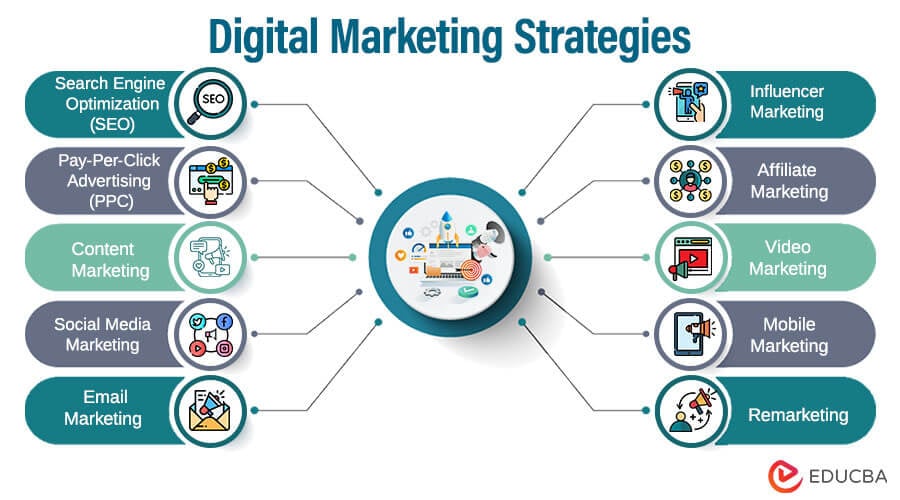
Credit: www.educba.com
Frequently Asked Questions
What Are The Most Effective Digital Marketing Strategies?
Effective digital marketing strategies include SEO, content marketing, social media, email campaigns, and PPC advertising. These methods increase brand visibility, engage audiences, and drive conversions. Tailoring strategies to your target market maximizes results and ensures sustainable growth.
How Does Seo Improve Digital Marketing Results?
SEO boosts online visibility by optimizing website content and structure. It helps rank higher in search engine results, attracting organic traffic. Improved rankings lead to more clicks, better user experience, and higher chances of converting visitors into customers.
Why Is Content Marketing Crucial In Digital Strategies?
Content marketing builds trust and authority by providing valuable information. It attracts and retains audiences through blogs, videos, and infographics. Consistent quality content improves SEO, drives engagement, and supports other marketing efforts like social media and email campaigns.
How Can Social Media Enhance Digital Marketing Efforts?
Social media platforms connect brands directly with their audience. They enable real-time interaction, content sharing, and targeted advertising. Using social media increases brand awareness, customer loyalty, and traffic to your website or online store.
Conclusion
Digital marketing strategies help businesses reach more customers online. Using the right tools and methods makes your efforts effective. Focus on clear goals and measure your progress often. Stay updated with trends to keep your approach fresh. Small changes can lead to better results over time.
Consistency and patience play big roles in success. Keep learning and adapting to stay ahead in the market. Digital marketing is a journey, not a quick fix. Take steps today and watch your brand grow steadily.