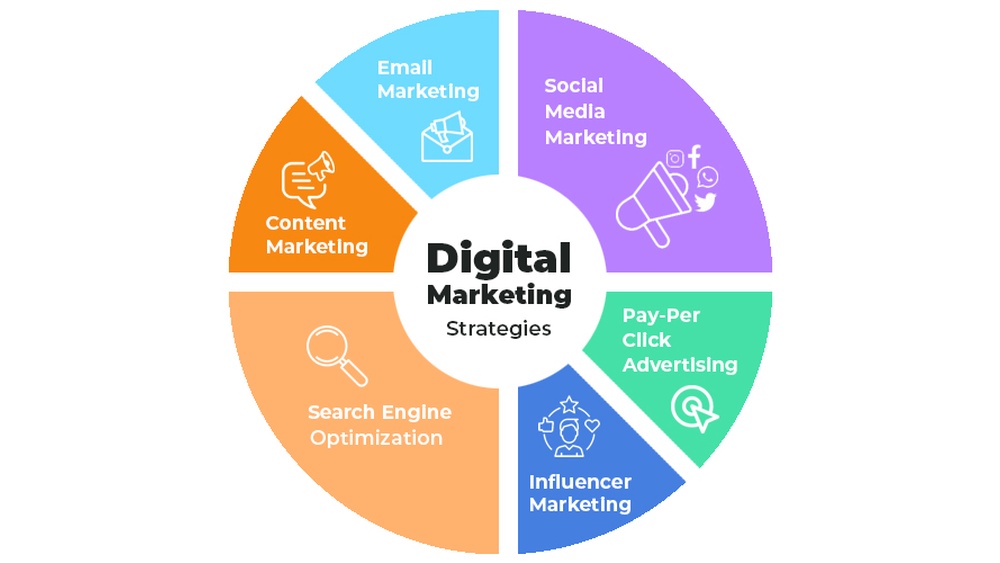

Digital marketing strategies help businesses grow their online presence fast. They guide brands to connect with the right audience and boost sales.
In today’s digital world, every business needs a clear plan to stand out. Digital marketing is not only about posting on social media or running ads. It’s about using smart methods that bring real results. From content creation to SEO and paid campaigns, every step matters.
A strong strategy makes marketing efforts work together and reach more people. It helps brands build trust, increase visibility, and measure success easily. With the right approach, even small businesses can compete with big names online. This blog explores how digital marketing strategies shape success in today’s connected world.
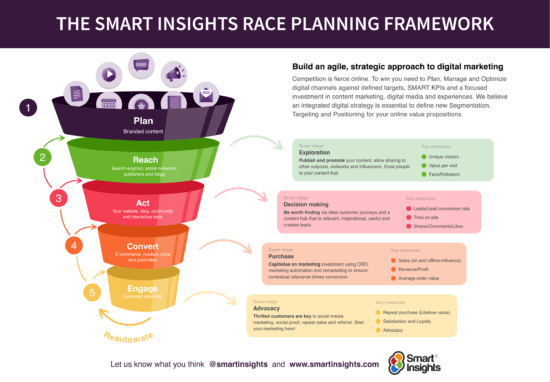
Credit: www.smartinsights.com
Key Digital Marketing Channels
Digital marketing strategies rely on several key channels that help brands reach their audience effectively. Each channel serves a unique purpose and helps build awareness, engagement, and conversions. Understanding these key digital marketing channels allows businesses to plan campaigns that attract the right people at the right time. The mix of search, content, social, email, and paid ads forms the backbone of a smart online marketing plan.
Search Engine Optimization
Search Engine Optimization (SEO) improves a website’s visibility on search engines. It helps people find your business through relevant searches. SEO focuses on both technical and creative elements to boost ranking and traffic.
There are three main types of SEO:
- On-page SEO: Optimizing content, titles, and meta descriptions.
- Off-page SEO: Building backlinks and promoting your site externally.
- Technical SEO: Enhancing site speed, structure, and mobile usability.
Key factors that affect SEO performance include:
| Factor | Description |
|---|---|
| Keywords | Relevant phrases that match user search intent. |
| Content Quality | Informative, original, and easy-to-read articles. |
| Website Speed | Fast loading pages improve user experience. |
| Mobile Optimization | Responsive design for users on mobile devices. |
SEO takes time but delivers lasting results. It builds trust, increases organic traffic, and supports other digital channels.
Content Marketing
Content marketing attracts and retains customers through valuable and relevant information. It focuses on storytelling and problem-solving rather than direct selling. Good content builds relationships and credibility.
Effective content types include:
- Blog posts and articles
- Videos and tutorials
- Infographics and guides
- E-books and case studies
Content should be clear, engaging, and useful. It must answer questions and guide readers toward a decision. A simple content plan can be structured like this:
| Step | Action |
|---|---|
| Research | Find topics your audience cares about. |
| Create | Write or design helpful materials. |
| Distribute | Share through blogs, social media, or email. |
| Measure | Track views, shares, and conversions. |
Strong content marketing supports SEO and social campaigns by offering material that people want to share and link to.
Social Media Marketing
Social media marketing uses platforms like Facebook, Instagram, LinkedIn, and X to connect with audiences. It helps brands build communities, share messages, and engage in conversations. Each network attracts different users and needs a tailored approach.
Common goals of social media marketing include:
- Increasing brand awareness
- Driving website traffic
- Boosting engagement
- Generating leads
Social media content should be visual, short, and easy to share. A mix of images, short videos, and polls keeps followers active. Businesses often schedule posts using tools for consistency.
Here’s a quick guide to platform focus:
| Platform | Best Use |
|---|---|
| Community building and ad campaigns. | |
| Visual content and brand storytelling. | |
| B2B networking and professional updates. | |
| X (Twitter) | Quick updates and customer interaction. |
Social media works best with active engagement. Responding to comments and messages makes followers feel valued.
Email Marketing
Email marketing is one of the most direct digital channels. It delivers messages straight to a customer’s inbox. It helps promote products, share news, and nurture relationships. Email is cost-effective and easy to personalize.
Types of email campaigns include:
- Welcome emails for new subscribers
- Promotional offers and discounts
- Newsletters with updates
- Follow-up or reminder emails
Important elements of successful emails:
| Element | Purpose |
|---|---|
| Subject Line | Grabs attention and encourages opening. |
| Content | Delivers value and keeps the message short. |
| Call-to-Action | Guides readers to take the next step. |
| Design | Clean layout that works on all devices. |
Emails perform well with segmentation. Sending the right message to the right group improves engagement and trust.
Pay-per-click Advertising
Pay-Per-Click (PPC) advertising allows businesses to pay for visits to their website. Ads appear on search engines or social platforms. You pay only when someone clicks your ad. PPC offers fast results and precise audience targeting.
Main PPC platforms include:
- Google Ads
- Bing Ads
- Facebook Ads
- LinkedIn Ads
Elements of a good PPC campaign:
- Set clear goals such as leads or sales.
- Choose keywords that match user intent.
- Write short, persuasive ad copy.
- Design landing pages that convert visitors.
- Track results and adjust bids regularly.
Here’s a simple PPC performance overview:
| Metric | Meaning |
|---|---|
| CTR (Click-Through Rate) | Shows how often people click your ad. |
| CPC (Cost Per Click) | Amount paid per user click. |
| Conversion Rate | Percentage of visitors who take action. |
| ROI | Measures campaign profitability. |
PPC helps brands gain quick exposure and supports other digital marketing channels by driving targeted traffic.
Crafting Effective Campaigns
Crafting effective campaigns is the heart of strong digital marketing strategies. A campaign built with clear goals, smart targeting, and creative content can bring real results. It helps brands connect with their audience, raise awareness, and drive conversions. Every successful campaign starts with a plan that focuses on people, purpose, and performance.
Audience Targeting Techniques
Understanding the audience is the first step to success. A campaign works only when it reaches the right people. Marketers use data and insights to identify who their ideal customers are. This process helps in shaping messages that speak directly to their needs.
Here are some effective audience targeting techniques:
- Demographic Targeting: Focus on age, gender, income, and education.
- Behavioral Targeting: Use data about user actions, such as purchase history or online activity.
- Location Targeting: Reach users based on their geographic area.
- Interest-Based Targeting: Engage users who share common interests or hobbies.
Social media platforms and search engines offer tools for precise targeting. These tools allow marketers to create segments and test which group responds better. The goal is to send the right message to the right people at the right time.
| Technique | Purpose |
|---|---|
| Demographic | Identify core audience traits |
| Behavioral | Understand user habits and actions |
| Location | Reach audience by region or city |
| Interest | Connect through shared passions |
A campaign that targets wisely saves money and builds trust. It also improves engagement and conversion rates.
Setting Clear Objectives
Clear objectives guide every marketing move. Without them, campaigns lose direction. Objectives define what success looks like and help measure performance. They keep teams focused and aligned.
Strong objectives should be SMART — Specific, Measurable, Achievable, Relevant, and Time-bound. Each campaign must have a purpose that supports business goals. For example, increasing website traffic, boosting product sales, or growing brand awareness.
Use this simple structure to set objectives:
- Define the goal — what you want to achieve.
- Set a timeline — how long the campaign will run.
- Choose key metrics — what will show success.
- Assign responsibility — who will handle each task.
| Objective Type | Example | Metric |
|---|---|---|
| Awareness | Reach 10,000 new users | Impressions, reach |
| Engagement | Increase social likes by 25% | Likes, comments |
| Conversion | Boost sales by 10% | Sales, leads |
Clear objectives simplify analysis and reporting. They turn creative ideas into measurable outcomes. Every team member understands the mission and works toward the same result.
Budget Allocation Tips
A smart budget keeps campaigns efficient. Spending must match goals and reach. A well-planned budget ensures every dollar supports growth. It helps avoid waste and improves results.
Follow these budget allocation tips for better planning:
- Analyze past campaigns to learn spending patterns.
- Divide the budget by channels — social media, email, SEO, and paid ads.
- Keep a reserve for testing new ideas or platforms.
- Track spending weekly to maintain control.
Use a simple budget table to visualize fund distribution:
| Channel | Suggested Percentage | Purpose |
|---|---|---|
| Social Media Ads | 30% | Brand engagement |
| SEO and Content | 25% | Organic traffic growth |
| Email Marketing | 20% | Lead nurturing |
| Paid Search | 15% | Direct conversions |
| Testing & Tools | 10% | Experimentation and analytics |
Budgets should stay flexible. Market trends change fast. Regular reviews help shift funds where results are stronger. A balanced budget builds long-term success.
Creative Content Development
Creative content makes campaigns stand out. It tells a story and connects emotionally. Strong visuals and simple words often leave lasting impressions. Great content builds trust and encourages action.
Marketers use different forms of content to attract attention:
- Blog posts and articles for education.
- Videos and reels for quick engagement.
- Infographics for visual storytelling.
- Social posts for daily interaction.
Every piece should reflect the brand’s voice and message. Consistency helps audiences recognize and remember it. Use short headlines, clear calls to action, and relatable images.
| Content Type | Best Use | Goal |
|---|---|---|
| Blog | Share insights and tips | Build authority |
| Video | Explain complex ideas | Increase engagement |
| Infographic | Show data visually | Boost shareability |
| Social Post | Connect with followers | Maintain presence |
Creative content must align with audience interests. It should inspire, educate, or entertain. A campaign that blends creativity with clarity wins attention and drives results.
Leveraging Data And Analytics
Leveraging Data and Analytics is the backbone of effective digital marketing strategies. It helps brands understand what works, what fails, and what needs adjustment. Every click, visit, and conversion tells a story. Data helps marketers listen, learn, and act. By tracking numbers and patterns, campaigns become smarter and more focused. Analytics turns raw data into meaningful insights that guide better decisions. With the right tools and methods, digital marketing becomes measurable, predictable, and more profitable.
Tracking Campaign Performance
Tracking campaign performance helps marketers measure the success of every marketing effort. Without data, decisions rely only on guesswork. Tracking gives clear numbers that show progress. It shows what content attracts people and what fails to engage. Marketers can compare results across platforms and channels.
Key metrics to monitor:
- Click-through rate (CTR)
- Conversion rate
- Bounce rate
- Session duration
- Cost per acquisition (CPA)
A simple table can help organize data for quick review:
| Metric | Purpose | Ideal Outcome |
|---|---|---|
| CTR | Measures how many people click ads or links | Higher percentage |
| Conversion Rate | Shows how many visitors take the desired action | Consistent growth |
| Bounce Rate | Tracks users leaving after viewing one page | Lower value |
Tracking should be done daily or weekly. Data helps identify trends early. A sudden drop in engagement signals issues that need attention. Regular tracking ensures campaigns stay aligned with goals and budgets. It helps marketers respond faster and improve return on investment.
Using Analytics Tools
Analytics tools collect, process, and display marketing data in an easy format. They help marketers understand how campaigns perform and where audiences come from. Using these tools removes confusion and brings clarity. It saves time and supports data-driven decisions.
Popular tools include:
- Google Analytics – tracks website traffic and conversions
- Google Tag Manager – manages tracking codes easily
- SEMrush – analyzes SEO and paid search results
- HubSpot – combines analytics with CRM data
- Hotjar – provides heatmaps and visitor recordings
Each tool has unique features. Some focus on traffic, others on user experience. Combining tools gives a full picture of marketing performance. For example, Google Analytics can show where visitors come from, while Hotjar reveals how they interact with a page.
Marketers should set up dashboards that display essential metrics in real time. This makes it easier to monitor campaigns without deep data digging. Automation helps reduce errors and improves accuracy. Using analytics tools builds confidence in reporting and planning future strategies.
Interpreting User Behavior
Understanding user behavior helps create better marketing messages and user experiences. Every visitor leaves a digital footprint. Each click, scroll, or pause tells something about their interest. Interpreting these patterns helps marketers predict what users may do next.
Common behavior signals include:
- Pages visited and time spent
- Navigation paths
- Exit pages
- Repeat visits
- Form completions
Behavior analysis can reveal what content attracts attention and what areas need improvement. For example, a long stay on a product page shows interest, while a high exit rate may suggest confusion or poor design.
Tools like Hotjar and Crazy Egg visualize user actions with heatmaps. These visuals highlight where users click most and where they lose interest. Marketers can use this data to adjust design, copy, or calls-to-action.
By understanding user behavior, brands create more personal experiences. Content becomes more relevant. Design becomes more intuitive. Marketing becomes more effective. Interpreting behavior transforms simple traffic numbers into real human stories.
Optimizing Based On Insights
Optimization is the final and most important step in leveraging data. Insights from analytics guide changes that improve future results. Every campaign offers lessons. Data points reveal what works best for the audience.
Steps to optimize effectively:
- Review key metrics regularly.
- Identify underperforming areas.
- Test new content or ad variations.
- Measure changes and compare results.
- Repeat the process for continuous improvement.
Optimization is not a one-time task. It’s ongoing. Small adjustments can lead to big results over time. For example, changing a headline can increase clicks. Updating images can improve conversions.
A table helps compare before and after optimization data:
| Metric | Before Optimization | After Optimization |
|---|---|---|
| CTR | 2.5% | 4.1% |
| Conversion Rate | 1.8% | 3.0% |
| Bounce Rate | 65% | 48% |
By acting on insights, marketing campaigns become smarter and more efficient. Data ensures every change has a clear purpose. Optimization based on insights turns analysis into action and drives measurable growth.
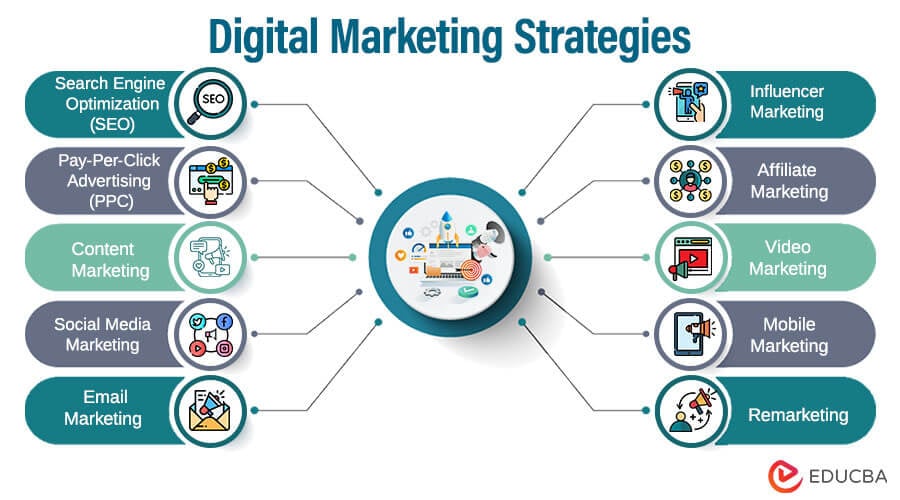
Credit: www.educba.com
Emerging Trends In Digital Marketing
Digital marketing strategies keep changing fast. New tools and fresh ideas shape how brands connect with people online. Emerging trends in digital marketing help businesses stay visible, relevant, and strong in competition. These trends focus on smarter communication, deeper engagement, and personalized experiences. Marketers now use data, technology, and creativity together to reach audiences better. The following sections explore some of the most powerful trends shaping digital marketing today.
Influencer Collaborations
Influencer collaborations have become a strong part of digital marketing. Brands work with social media personalities to create trust and attract followers. Influencers can make a product feel personal and relatable. Their voices sound real, which builds credibility for a brand.
Micro-influencers are gaining more attention. They have smaller audiences but stronger engagement. Their followers trust their opinions more. This makes them valuable for niche markets.
- Boosts brand awareness quickly.
- Improves audience engagement rates.
- Supports content creation and storytelling.
- Helps reach specific demographics easily.
Brands now use both short-term and long-term influencer partnerships. Long-term collaborations create stronger brand loyalty. Influencers also help brands appear in trending conversations online.
| Type of Influencer | Follower Range | Engagement Level |
|---|---|---|
| Micro-Influencer | 1K – 50K | High |
| Macro-Influencer | 50K – 1M | Medium |
| Celebrity Influencer | 1M+ | Low to Medium |
Transparency in influencer marketing matters. Audiences prefer honest reviews and clear sponsorship disclosures. Brands that value authenticity build lasting relationships with their customers.
Voice Search Optimization
Voice search is changing how people find information online. Many users now speak to devices like smart speakers and smartphones. This shift affects how marketers create content and structure websites.
Voice search optimization focuses on natural language and question-based queries. People speak differently than they type. Search results must match conversational tone and intent.
- Use short and clear sentences.
- Include question phrases like “what,” “how,” and “where.”
- Add local keywords for nearby searches.
- Improve page loading speed and mobile usability.
Voice search also increases local marketing opportunities. Many people ask for nearby restaurants, stores, or services. Businesses that appear in these results gain more visits and calls.
| Voice Search Device | Common Use |
|---|---|
| Smart Speaker | Home-based searches |
| Smartphone | Mobile and local queries |
| Car Assistant | Navigation and quick info |
Marketers should focus on featured snippets and structured data. These increase the chances of being read aloud by virtual assistants. Businesses that adapt early will gain stronger visibility in search results.
Artificial Intelligence Applications
Artificial Intelligence, or AI, plays a major role in digital marketing. It helps brands understand customer behavior and make smart decisions fast. AI tools study patterns, predict outcomes, and personalize user experiences.
AI improves many parts of marketing strategy. It automates tasks and gives real-time insights. This saves time and increases accuracy.
- Personalized content recommendations.
- Chatbots for instant customer support.
- Predictive analytics for campaign planning.
- Ad targeting based on behavior.
Chatbots are one of the most visible uses of AI. They respond to questions, guide users, and collect feedback. Customers get help fast without waiting for human support.
| AI Tool | Main Function |
|---|---|
| Chatbot | Customer interaction |
| Predictive Analytics | Forecast future trends |
| Content Generator | Create blog posts and ads |
AI also helps marketers measure campaign success. It tracks clicks, conversions, and audience interests. Brands using AI gain clear direction and better performance.
Video Marketing Growth
Video marketing continues to grow fast across all social platforms. People prefer videos over long texts. Videos are engaging, easy to watch, and simple to share. They tell stories that capture attention quickly.
Short-form videos are trending. Platforms like YouTube Shorts and Instagram Reels make it easy for brands to post quick content. These clips keep audiences entertained and informed.
- Explainer videos increase understanding.
- Product demos boost buying confidence.
- Live videos create real-time interaction.
- Story-based videos build emotional connection.
Video also improves search rankings. Search engines value video content highly. Websites with videos often gain more traffic and stay longer in searches.
| Video Type | Purpose |
|---|---|
| Explainer Video | Educate customers |
| Product Review | Show real use cases |
| Live Stream | Engage audiences directly |
Consistency is key in video marketing. Regular posting keeps audiences engaged. Brands that use video smartly create strong emotional bonds and better online visibility.
Common Challenges And Solutions
Digital marketing strategies help businesses reach the right people and grow online. Yet, success does not come without obstacles. Many marketers face common problems that slow their progress. These challenges can affect campaign performance, audience trust, and overall results. The good news is that each challenge has a clear solution. By understanding these issues and applying smart fixes, marketers can improve their digital presence and achieve better outcomes.
Dealing With Ad Fatigue
Ad fatigue happens when people see the same ads too often. They stop noticing or start ignoring them. This reduces click rates and conversions. Ad fatigue makes campaigns costly and less effective.
To fight ad fatigue, brands must refresh content often. Change visuals, headlines, and calls to action. Use different ad formats to keep attention. Rotate campaigns across channels to reach new eyes.
Effective methods to reduce ad fatigue:
- Use dynamic ads that change based on user behavior.
- Set frequency caps to limit how often users see the same ad.
- Test new creatives every two weeks.
- Monitor performance metrics like CTR and engagement rates.
Below is a quick guide to manage ad fatigue efficiently.
| Challenge | Solution |
|---|---|
| Low engagement | Refresh ad visuals |
| High bounce rate | Improve landing page relevance |
| Reduced conversions | Personalize ad messaging |
Smart rotation and data-driven creative updates keep audiences interested. This builds stronger connections and improves campaign results.
Managing Budget Constraints
Budget constraints can limit campaign reach and performance. Marketers must make every dollar count. Poor planning leads to wasted spending and weak outcomes.
To manage tight budgets, focus on high-return channels. Use free or low-cost tools for tracking and automation. Plan campaigns based on clear priorities.
Key steps to handle budget limits:
- Define goals before spending.
- Track results to find cost-effective platforms.
- Use organic marketing like SEO and email.
- Negotiate better ad rates with platforms.
This table shows common budget problems and possible solutions.
| Budget Issue | Smart Fix |
|---|---|
| High ad costs | Use retargeting for better ROI |
| Low conversion rate | Improve audience targeting |
| Limited ad reach | Focus on organic traffic growth |
Careful planning and data-driven spending ensure strong results even with limited resources. Small budgets can still bring big returns with strategic choices.
Overcoming Data Privacy Issues
Data privacy is a growing concern for digital marketers. Users want control over their personal information. Strict laws like GDPR and CCPA demand transparency. Failure to follow these rules damages trust and reputation.
Marketers must protect user data and follow privacy regulations. Clear communication builds trust and supports long-term relationships.
Best practices for data privacy:
- Collect only necessary information.
- Use secure systems for data storage.
- Offer clear opt-in and opt-out choices.
- Update privacy policies regularly.
The table below outlines common privacy challenges and how to solve them.
| Privacy Challenge | Suggested Solution |
|---|---|
| Data misuse risk | Encrypt all sensitive data |
| User mistrust | Be transparent about data usage |
| Legal compliance | Follow GDPR and CCPA rules |
Responsible data handling builds confidence. Respecting privacy increases loyalty and strengthens a brand’s reputation.
Maintaining Audience Engagement
Keeping audiences engaged is one of the toughest challenges. People want fresh, valuable content. Without engagement, digital campaigns lose impact.
To maintain interest, brands must offer relevant and interactive experiences. Use storytelling, videos, and polls. Encourage feedback and participation.
Ways to boost audience engagement:
- Create short, clear messages.
- Use visuals to attract attention.
- Respond quickly to comments and messages.
- Share content that solves real problems.
Below is a simple overview of engagement challenges and their solutions.
| Engagement Problem | Solution |
|---|---|
| Low social activity | Post interactive content |
| Weak email response | Personalize subject lines |
| High bounce rate | Improve website user experience |
Consistent engagement builds trust and loyalty. It keeps audiences connected and encourages repeat actions. Strong engagement leads to long-term success in digital marketing.

Credit: www.geekschip.com
Frequently Asked Questions
What Are Effective Digital Marketing Strategies?
Effective digital marketing strategies include SEO, social media marketing, content creation, email campaigns, and paid advertising. These methods help brands reach target audiences, improve visibility, and drive conversions. Combining data-driven insights with customer-focused tactics ensures sustainable growth and maximized ROI for businesses online.
How Does Seo Improve Digital Marketing Results?
SEO improves digital marketing by increasing website visibility and organic traffic. It helps target the right audience through keyword optimization and quality content. Strong SEO enhances user experience, builds credibility, and boosts search rankings, resulting in higher engagement and long-term business growth.
Why Is Content Marketing Important Today?
Content marketing builds trust, authority, and brand awareness among audiences. High-quality, relevant content attracts and retains customers effectively. It supports SEO efforts, social media engagement, and lead generation. Consistent content helps businesses educate users, establish expertise, and drive conversions in competitive digital landscapes.
What Role Does Social Media Play In Marketing?
Social media connects businesses with audiences directly and instantly. It enhances brand visibility, engagement, and customer loyalty. Platforms like Facebook, Instagram, and LinkedIn allow targeted promotions and real-time communication. Effective social media strategies generate leads, boost traffic, and strengthen online reputation.
Conclusion
Digital marketing keeps changing fast. Brands that adapt stay ahead. Good strategies help reach the right people. Clear goals make every campaign stronger. Data shows what works and what needs change. Social media builds trust and real connections. Email and content keep audiences engaged.
SEO makes your brand easier to find. Each small step grows online presence and brand value. Keep testing, learning, and improving daily. Stay consistent, stay creative, and success follows naturally. Digital marketing is not one action, it’s a steady journey.