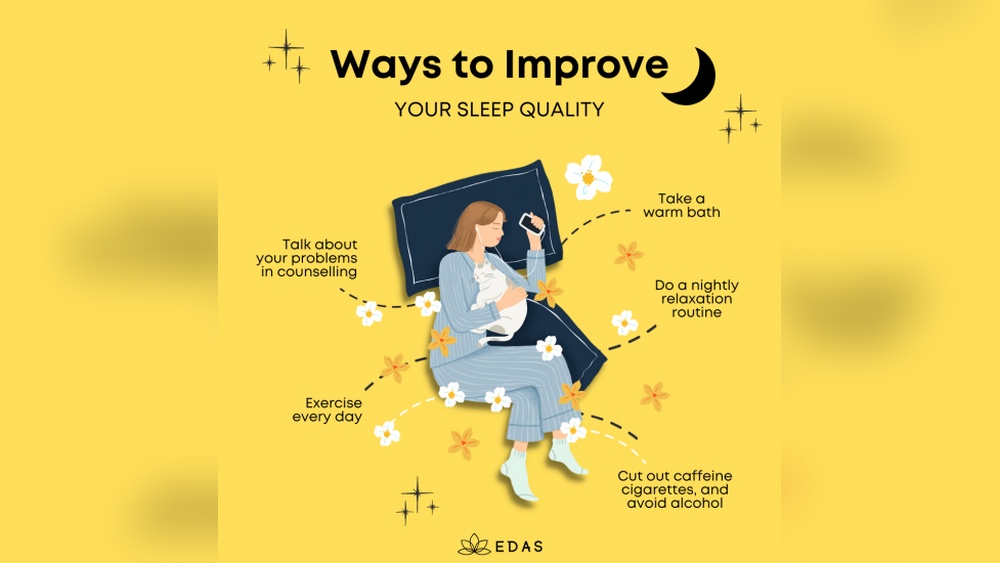

Good sleep matters for health and daily energy. Many people struggle with restless nights and feel tired the next day.
Better sleep quality helps the body heal and the mind refresh. It can improve mood, focus, and overall well-being. Many factors affect how well you sleep, such as habits, environment, and stress. Small changes in routine can make a big difference.
Understanding these changes helps you create a calm and restful night. This guide will explain simple ways to improve your sleep quality. It aims to help you wake up feeling rested and ready for the day ahead.
Benefits Of Quality Sleep
Getting quality sleep is more than just feeling rested. It plays a crucial role in how your body and mind function every day. When you improve your sleep, you unlock a range of benefits that can boost your overall health and happiness.
Physical Health Gains
Quality sleep helps your body repair and recharge. It supports your immune system, making it easier to fight off illnesses. If you want to maintain a healthy weight, sleep can help regulate hormones that control hunger and appetite.
Think about a time you skipped sleep—you might have noticed slower reflexes or trouble focusing. That’s because sleep affects muscle recovery and coordination. Prioritizing rest can reduce your risk of heart disease, diabetes, and other chronic conditions.
Mental Well-being Boost
Your brain needs sleep to process emotions and memories. Without enough rest, you might feel more stressed or irritable during the day. Sleep also plays a key role in creativity and problem-solving, helping you perform better at work or school.
Have you ever noticed how a good night’s sleep clears your mind? That feeling isn’t accidental. Quality sleep improves mood and lowers the chance of anxiety and depression, giving you more emotional balance.
:max_bytes(150000):strip_icc()/how-to-get-better-sleep-5094084-regular-FINAL-2c371001cada4ad391f6de53fc6053c9.png)
Credit: www.verywellmind.com
Common Sleep Disruptors
Many people struggle with getting a good night’s sleep without realizing what disrupts their rest. Identifying common sleep disruptors can help you take control and improve your sleep quality. Let’s look at two major culprits that often keep you tossing and turning.
Stress And Anxiety
Stress and anxiety are powerful enemies of restful sleep. When your mind races with worries or unfinished tasks, it’s hard to relax enough to fall asleep. I used to lie awake, replaying conversations and deadlines, which kept me up for hours.
Try creating a simple pre-sleep routine to calm your mind. Writing down your thoughts or practicing deep breathing can ease anxiety. What small change can you add tonight to help your mind slow down?
Environmental Factors
Your surroundings play a big role in how well you sleep. Noise, light, and temperature can all interrupt your rest without you noticing. One night, a streetlight outside my window kept flickering, and I barely slept until I blocked the light.
Make your bedroom a sleep-friendly zone by reducing noise and blocking out light. Adjust the room temperature to a cool, comfortable level. Have you checked if your environment might be quietly stealing your sleep?
Creating A Sleep-friendly Environment
Creating a sleep-friendly environment is a powerful way to improve your sleep quality. The space where you rest can either support deep, refreshing sleep or make it harder to fall and stay asleep. Small changes in your bedroom setup can lead to big improvements in how rested you feel each morning.
Optimal Room Temperature
Keeping your bedroom at the right temperature helps your body relax and signals that it’s time to sleep. Most people find a cool room between 60-67°F (15-19°C) ideal. If your room feels too warm or too cold, your sleep can become restless without you even realizing it.
I used to struggle with waking up sweaty in the middle of the night until I adjusted my thermostat. After setting it to about 65°F, I noticed I stayed asleep longer and woke up feeling more refreshed. You might want to try different temperatures to see what works best for your comfort.
Noise And Light Control
Excess noise and light can disrupt your sleep cycles without you fully waking up. Try to minimize any background sounds using earplugs or a white noise machine if you live in a noisy area. Even small light sources, like a glowing alarm clock or streetlights, can interfere with melatonin production.
I once thought I slept fine with the hallway light on, but switching to blackout curtains and turning off all lights improved my sleep quality significantly. What distractions could you remove from your bedroom to create a darker, quieter space? Experiment with these changes and notice how much easier it becomes to fall asleep.
Effective Bedtime Routines
Creating an effective bedtime routine can transform how well you sleep. It sets the stage for your body and mind to unwind and prepare for rest. Small, consistent habits before bed can make a big difference in your sleep quality.
Consistent Sleep Schedule
Going to bed and waking up at the same time every day trains your body’s internal clock. This regularity helps you fall asleep faster and wake up feeling more refreshed. Even on weekends, try to keep your sleep times close to your weekday schedule to avoid disrupting your rhythm.
Have you noticed how staying up late on weekends can make Monday mornings tougher? That’s your sleep schedule getting confused. Sticking to a consistent sleep time can reduce that groggy feeling and boost your energy throughout the day.
Relaxation Techniques
Calming your mind before sleep is key to falling asleep quickly. Try simple techniques like deep breathing, gentle stretching, or listening to soft music. These activities lower your heart rate and signal your brain that it’s time to rest.
I used to scroll through my phone until I felt sleepy, but it kept me wired instead. Switching to a 10-minute breathing exercise before bed helped me fall asleep faster and improved how rested I felt. What small change could you make tonight to relax better before sleep?
Nutrition And Sleep
What you eat plays a bigger role in your sleep quality than you might think. Nutrition affects how easily you fall asleep and how deeply you rest. Paying attention to the right foods and avoiding certain substances can make a noticeable difference in your nightly rest.
Foods That Promote Sleep
Certain foods contain natural compounds that help your body relax and prepare for sleep. For example, foods rich in magnesium like spinach and pumpkin seeds calm your nervous system. Tryptophan, an amino acid found in turkey and nuts, helps produce serotonin, which turns into melatonin—the hormone that regulates sleep.
Warm milk or chamomile tea can soothe you before bed by raising your body’s temperature slightly, signaling it’s time to cool down and rest. Sweet potatoes and oats provide slow-digesting carbohydrates that keep your blood sugar stable overnight. Have you tried a small snack like a banana with almond butter before bed? It might help you fall asleep faster.
Substances To Avoid
Some substances can severely disrupt your sleep cycle. Caffeine, found in coffee, tea, and many sodas, blocks the sleep hormone adenosine and can keep you awake for hours. Alcohol might make you feel sleepy initially, but it fragments your sleep and prevents deep rest.
Sugar and heavy, greasy foods can cause discomfort and spikes in energy that interfere with falling asleep. Even if you feel tired, eating spicy or acidic foods late can lead to heartburn, pulling you out of a restful state. Have you noticed how a late-night snack sometimes leaves you tossing and turning? It could be what you ate.
Exercise And Sleep Quality
Exercise plays a key role in how well you sleep. Moving your body not only tires you out physically but also helps calm your mind. If you struggle to fall asleep or stay asleep, adjusting your workout routine might make a noticeable difference.
Best Times To Exercise
Timing your workouts can affect your sleep quality. Exercising too close to bedtime may keep you awake because it raises your heart rate and body temperature.
Try finishing workouts at least 2-3 hours before you plan to sleep. Morning or early afternoon sessions often work best for most people.
Have you noticed feeling more alert after late-night exercise? Shifting your routine to earlier in the day might help you relax come bedtime.
Types Of Beneficial Workouts
Not all exercises impact sleep the same way. Aerobic activities like walking, cycling, or swimming can help you fall asleep faster and enjoy deeper rest.
Strength training also supports better sleep but avoid heavy lifting right before bed. Gentle yoga or stretching can calm your nervous system, easing tension.
Consider mixing cardio with relaxing movements to find what helps your mind and body settle down at night. What kind of workout leaves you feeling ready to rest?
Technology And Sleep
Technology plays a big role in how you sleep, sometimes helping and other times making it harder. Many people use devices late into the night without realizing the impact on their rest. Understanding the relationship between technology and sleep can help you make better choices that improve your sleep quality.
Limiting Screen Time
Blue light from phones, tablets, and computers tricks your brain into thinking it’s daytime. This lowers your melatonin levels, the hormone that helps you fall asleep. Try to stop using screens at least an hour before bed to give your brain time to wind down.
Instead of scrolling through social media, read a physical book or listen to calming music. You might notice falling asleep faster and waking up feeling more refreshed. Have you ever tracked how your screen habits affect your sleep?
Using Sleep-tracking Devices
Sleep trackers can give you useful information about your sleep patterns, such as how long you sleep and how often you wake up. These devices can motivate you to improve your bedtime routine by showing real data.
However, some people feel anxious when they focus too much on the numbers. Use the data as a guide, not a strict rule. Try adjusting your habits based on what the tracker tells you and see if your sleep improves over time.
Credit: eu.wellell.com
When To Seek Professional Help
Knowing when to ask for professional help can change your nights and days for the better. Poor sleep isn’t always just about lifestyle habits—sometimes, it signals deeper issues. Paying attention to your body and mind can guide you on when to seek expert advice.
Recognizing Sleep Disorders
Do you often feel exhausted even after a full night’s rest? That could be a sign of sleep apnea, where your breathing stops briefly during sleep. Snoring loudly and waking up gasping for air are red flags to watch for.
Insomnia is another common problem. If you find it hard to fall asleep or stay asleep for weeks, it might be more than just stress. Restlessness, frequent waking, or waking too early can disrupt your daily life.
Restless leg syndrome causes uncomfortable sensations and an irresistible urge to move your legs at night. This can keep you awake or wake you up repeatedly. If you notice these symptoms, it’s time to get checked.
Treatment Options
Once diagnosed, treatment can improve your sleep quality dramatically. For sleep apnea, doctors often recommend a CPAP machine that keeps your airways open during sleep. It might sound intimidating, but many users report feeling more refreshed within days.
Insomnia treatment can include cognitive behavioral therapy (CBT), which helps change thoughts and habits around sleep. Sometimes, short-term medication is prescribed, but therapy offers lasting benefits. You might find it easier to fall asleep and stay asleep by changing your bedtime routines.
For restless leg syndrome, doctors may suggest lifestyle changes, such as reducing caffeine and increasing iron intake. In some cases, medication helps control symptoms. Don’t ignore these signs—treatment can bring relief and better rest.
Have you noticed patterns or symptoms that disrupt your sleep consistently? Recognizing these early and seeking help can prevent bigger problems. Your body deserves quality rest, and professionals can guide you there.
:max_bytes(150000):strip_icc()/how-to-get-better-sleep-5094084-regular-FINAL-2c371001cada4ad391f6de53fc6053c9.png)
Credit: www.verywellmind.com
Frequently Asked Questions
How Can I Improve My Sleep Quality Naturally?
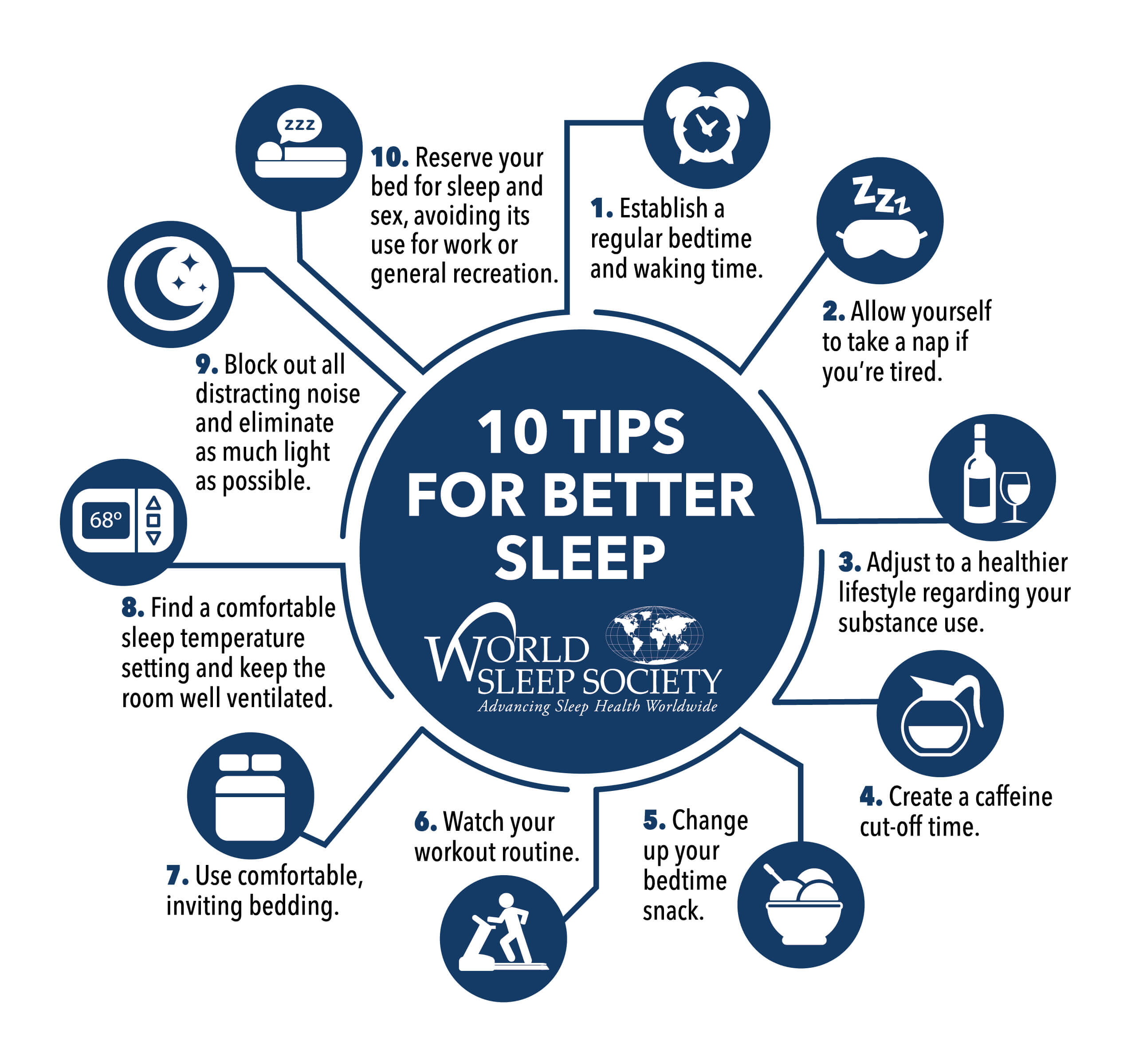
Improving sleep quality naturally involves maintaining a consistent sleep schedule and creating a relaxing bedtime routine. Avoid caffeine and electronics before bed. Ensure your bedroom is dark, cool, and quiet. Regular exercise and managing stress also promote better sleep naturally.
What Foods Help Improve Sleep Quality?
Foods rich in magnesium, tryptophan, and melatonin support better sleep. Examples include almonds, turkey, chamomile tea, and kiwi. Avoid heavy meals and caffeine close to bedtime. A balanced diet with these sleep-promoting foods can enhance sleep quality effectively.
Does Exercise Affect Sleep Quality Positively?
Yes, regular exercise improves sleep quality by reducing stress and promoting deeper sleep stages. Aim for moderate aerobic activity earlier in the day. Avoid intense workouts close to bedtime, as they may disrupt your ability to fall asleep quickly.
How Does Screen Time Impact Sleep Quality?
Excessive screen time before bed exposes you to blue light, which suppresses melatonin production. This disrupts your natural sleep-wake cycle and delays sleep onset. Limiting screen use at least one hour before bedtime improves sleep quality significantly.
Conclusion
Better sleep starts with small, simple changes. Stick to a regular bedtime and avoid screens before sleep. Create a calm, dark, and quiet bedroom. Watch what you eat and drink in the evening. Try to relax your mind with deep breaths or light reading.
Good sleep helps your body and mind feel strong. Keep these tips in mind and enjoy peaceful nights. Sweet dreams are closer than you think.