
Doing dishes is an important daily task. Clean dishes keep your kitchen neat and your food safe. If you want to learn how to do dishes well, this guide will help you. It uses simple words and easy steps. You will find doing dishes easier after reading this.
Why Do Dishes?
Dirty dishes can cause problems. Leftover food on plates can make bad smells. It can also attract bugs like ants or flies. Clean dishes help keep your home fresh and healthy. Also, clean dishes look nice and are ready for your next meal.
What You Need
Before you start, you need some things. Here is a list:
- Dirty dishes (plates, cups, spoons, forks, pans)
- Dish soap (liquid soap made for washing dishes)
- Sponges or dishcloths
- Hot water (warm water helps clean better)
- Drying rack or clean towel
- Rubber gloves (optional, to protect your hands)
Step 1: Prepare Your Dishes
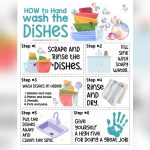
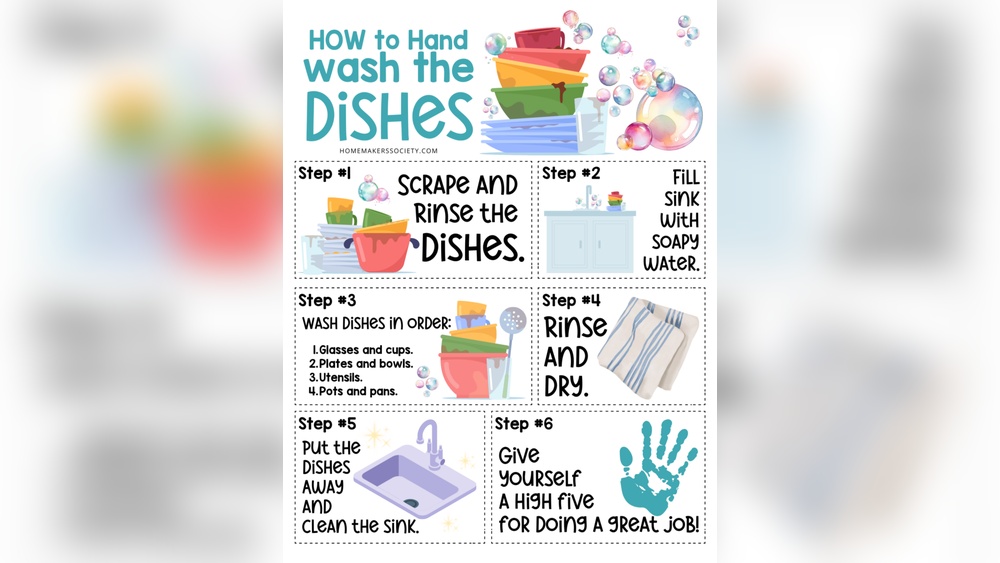
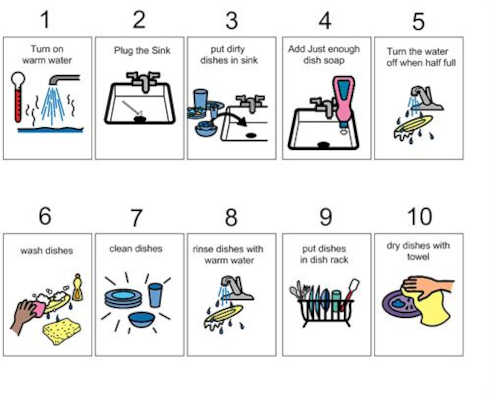
First, scrape leftover food into the trash. Use a spoon or your hand. This makes washing easier. Remove big pieces of food. Do not put too much food down the sink. It can cause blockages.
If you have stuck-on food, soak the dish in warm water for a few minutes. This softens the food and helps clean better later.
Step 2: Fill the Sink with Water
Use warm water in your sink or a large basin. Hot water helps remove grease and food. Add a few drops of dish soap. You do not need much soap. A little soap makes many bubbles. Bubbles help clean the dishes.
If you do not have a sink, use a big bowl or basin. The goal is to have soapy water to wash the dishes.
Step 3: Wash the Dishes
Put the dishes in the soapy water one by one. Use a sponge or dishcloth to scrub each dish. Clean every part of the dish well. Pay attention to edges and corners. These places often have dirt.
For pots and pans, scrub harder. Use the rough side of the sponge if needed. This will remove stuck food and grease.
Wash the least dirty dishes first, like glasses and cups. Then, wash plates and bowls. Finally, wash the dirtiest pots and pans. This helps keep the water cleaner for longer.
Step 4: Rinse the Dishes
After washing, rinse each dish with clean water. Use warm water if you can. Rinse well to remove all soap and dirt. Soap left on dishes can taste bad and is not good for health.
If you have a double sink, use one side for washing and the other for rinsing. This makes the process faster and easier.

Credit: researchoutreach.org
Step 5: Dry the Dishes
After rinsing, dry the dishes. You can use a clean towel or a drying rack. A drying rack lets dishes dry by air. This is easy and saves time.
If you use a towel, choose a clean one. Wet towels can spread germs. Dry dishes quickly to avoid water spots.
Tips for Doing Dishes
- Change the water if it gets too dirty or cold.
- Use rubber gloves to protect your hands from hot water.
- Clean your sponge or dishcloth often. Germs can grow on dirty sponges.
- Wash dishes soon after eating. Dried food is harder to clean.
- Be gentle with fragile items like glass and china.
How to Handle Special Dishes
Some dishes need extra care. Here are some tips:
| Dish Type | How to Clean |
|---|---|
| Non-stick pans | Use soft sponges. Avoid metal scrubbers. |
| Glassware | Wash gently with warm water. Dry with soft towel. |
| Cast iron | Do not use soap. Rinse with hot water and dry immediately. |
| Plastic containers | Use warm soapy water. Avoid hot water to prevent warping. |
Common Mistakes to Avoid
Many people make these mistakes when washing dishes. Try to avoid them:
- Not rinsing dishes well. Soap can stay on dishes.
- Using cold water only. Warm water cleans better.
- Letting dishes dry dirty water. This makes spots.
- Using too much soap. It makes rinsing harder.
- Leaving dishes to pile up. It makes washing harder.
How to Make Dishwashing Faster
Doing dishes can take time. Here are ways to speed it up:
- Wash dishes right after eating.
- Soak dirty dishes before washing.
- Wash dishes in groups by type.
- Use a good sponge or brush.
- Have a drying rack ready.
Why Doing Dishes is Good for You
Doing dishes teaches you responsibility. It helps keep your kitchen clean. You learn to be patient and careful. Washing dishes can be relaxing. It gives you a break from busy tasks.
Also, it helps you learn to take care of your home. This is an important life skill.
Credit: www.myboardmaker.com
Frequently Asked Questions
How Do I Wash Dishes By Hand Quickly?
Use warm water and soap. Scrub dishes with a sponge. Rinse and dry fast.
What Is The Best Order To Wash Dishes?
Start with glasses, then plates, utensils, and pots last. Cleaner to dirtier works best.
How Much Soap Should I Use For Dishes?
A small amount, about a teaspoon, is enough. Too much soap wastes water and time.
Can I Soak Dishes Before Washing Them?
Yes, soak greasy or stuck-on food dishes in warm water for 10-15 minutes.
Conclusion
Doing dishes is easy if you follow these steps. Clean your dishes daily for a fresh kitchen. Use warm water and dish soap. Scrub and rinse well. Dry dishes properly. Avoid common mistakes. Use special care for certain dishes.
Remember, clean dishes keep your family safe and healthy. Start today and enjoy a clean kitchen!