

What is a Reverse Osmosis Drinking Water System?
A Reverse Osmosis (RO) drinking water system is a highly effective water filtration solution designed to remove impurities from tap or well water, providing pure, clean drinking water for your family. This system works by pushing water through a semi-permeable membrane that filters out contaminants, chemicals, dirt, debris, and even certain minerals, leaving you with water that is free from most unwanted substances.
How Does It Work?
The reverse osmosis process involves forcing water through a specialized membrane that blocks impurities while allowing clean water molecules to pass through. As water passes through the system, it goes through several stages of filtration including pre-filters and post-filters, which remove sediments, chlorine, and other contaminants. The purified water is then stored in a small storage tank until you open the faucet to use it.
It’s important to note that the water is not produced instantaneously when you turn on the faucet. Instead, the system continuously filters water and stores it in the tank, so when you draw water, it comes from this pre-filtered reservoir, ensuring quick and convenient access to clean water.
What Does It Remove?
Reverse osmosis systems are capable of removing a broad range of impurities from your drinking water, including but not limited to :
- Chemicals such as chlorine and fluoride
- Dirt, debris, and sediments
- Bad minerals and contaminants
- Microplastics, which are increasingly found in bottled and tap water worldwide
While the RO process removes many minerals, including some beneficial ones, these can be added back in through a remineralization filter if desired.
Environmental Benefits
One of the key advantages of using a reverse osmosis drinking water system is the positive environmental impact. By providing clean water directly from your tap, you significantly reduce or eliminate the need to purchase bottled water. This helps cut down on plastic waste and addresses growing concerns about microplastics contaminating water sources globally.
Additional Features and Flexibility
Many reverse osmosis systems can be connected not only to your kitchen faucet but also to other appliances like refrigerators that dispense water or make ice. This versatility ensures you can enjoy purified water conveniently throughout your home.
For those interested in a deeper understanding of how RO systems function, there are detailed video explanations available that visually demonstrate the filtration process and the technology behind reverse osmosis.
Types of Reverse Osmosis Systems : Standard vs High Efficiency
When choosing a reverse osmosis drinking water system, one crucial consideration is the type of system that best suits your needs. The two primary categories to consider are Standard Reverse Osmosis Systems and High Efficiency Reverse Osmosis Systems. Both types purify water using the reverse osmosis process but differ significantly in water waste, flow rate, and components.
Standard Reverse Osmosis Systems
Standard RO systems are the traditional models widely available in the market. They typically use smaller tubing, usually 1/4 inch in diameter, throughout the system. This smaller tubing size contributes to a slower water flow rate from the storage tank to the faucet. Additionally, these systems tend to waste more water during the filtration process.
The standard systems operate by sending a portion of the incoming water, including impurities, to the drain during filtration. This drain water is essentially wasted, and the volume of this wasted water can be significant relative to the amount of purified water produced.
High Efficiency Reverse Osmosis Systems
High efficiency RO systems are designed to minimize water waste while maintaining excellent filtration quality. The main differentiating factor is their ability to reduce the amount of water sent to the drain during filtration.
Key Advantages of High Efficiency Systems
- Reduced Water Waste : High efficiency systems can waste half the amount of water compared to standard systems, making them environmentally friendly and cost-effective.
- Larger Tubing : These systems often use larger 3/8 inch tubing from the storage tank to the faucet, which allows for a higher flow rate and quicker access to purified water.
- Remineralization Options : Many high efficiency systems include or allow the addition of a remineralizing filter. This filter adds beneficial minerals back into the water after filtration and raises the pH to create alkaline water, enhancing taste and health benefits.
Example : The Water Saver 75 High Efficiency System
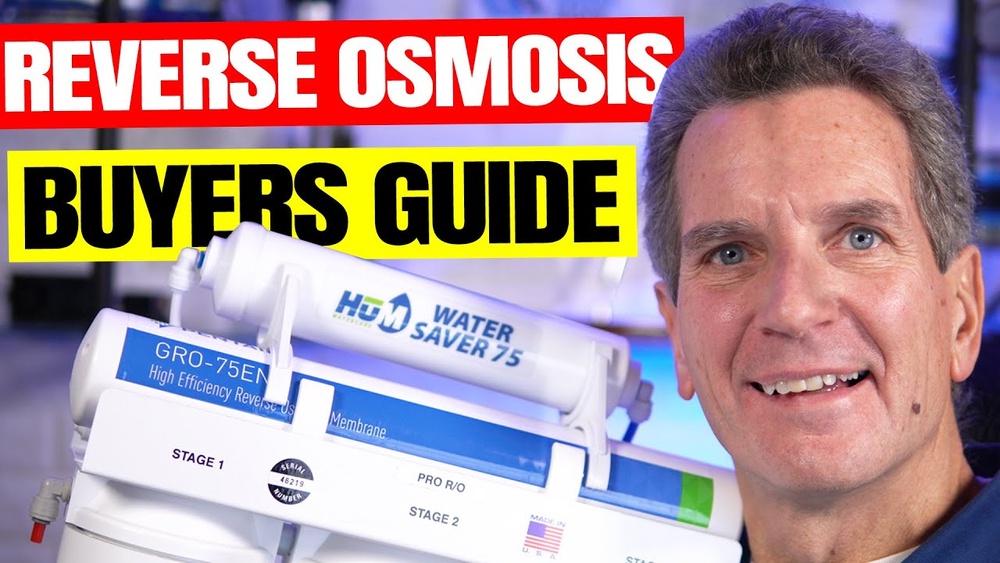
An excellent example of a high efficiency RO system is the Water Saver 75. This system stands out due to its efficient water usage, larger tubing for better flow, and the option to include a sixth filter for remineralization. It features four main filters along with the RO membrane and a storage tank for filtered water.
The Water Saver 75 undergoes multiple filtration stages :
- Pre-filters remove sediments and chlorine.
- The RO membrane eliminates the majority of dissolved impurities.
- Post-filters polish the water before it reaches the faucet.
- An optional remineralizing filter adds back good minerals and increases alkalinity.
This system is popular among customers looking for a balance of efficiency, water conservation, and high-quality water output.
Choosing Between Standard and High Efficiency Systems
| Feature | Standard RO System | High Efficiency RO System |
|---|---|---|
| Water Waste | Higher; wastes more water to drain | Lower; wastes about half as much water |
| Tubing Size | 1/4 inch tubing; slower flow rate | 3/8 inch tubing; higher flow rate |
| Flow Rate | Slower due to smaller tubing | Faster, better water delivery |
| Remineralization | Rarely included | Often included or available as an add-on |
| Environmental Impact | Less efficient; more water wasted | More efficient; conserves water |
Additional Considerations When Shopping for an RO System
When selecting your system, consider these factors :
- Non-Proprietary Filters : Choose a system with filters that are widely available and not exclusive to one brand. Proprietary filters can be expensive and hard to source if the company goes out of business.
- Made in North America : Systems manufactured in North America often adhere to stricter quality standards and ensure easier access to customer support and replacement parts.
- Customer Support and Resources : Access to helpful videos, troubleshooting guides, and responsive customer service can make installation and maintenance easier.
Ultimately, high efficiency RO systems like the Water Saver 75 provide a superior blend of water conservation, flow rate, and water quality enhancements, making them a smart choice for families seeking the best reverse osmosis drinking water system.
Key Features to Look for in a Reverse Osmosis System
Choosing the best reverse osmosis (RO) drinking water system requires a clear understanding of the essential features that ensure purity, efficiency, and convenience. From the quality of the components to ease of maintenance and environmental impact, several key factors distinguish a high-quality RO system from the rest.
1. Efficiency and Water Waste Reduction
A crucial feature to consider is the water efficiency of the system. Traditional RO systems tend to waste a significant amount of water during the filtration process because they send impurities and some water to the drain. This means the amount of water wasted can be quite high compared to the purified water produced.
High-efficiency reverse osmosis systems, such as the Water Saver 75, significantly reduce this waste. These systems use advanced membranes and optimized flow designs to waste approximately half the water compared to standard models. Choosing a high-efficiency system not only conserves water but also minimizes your water bill and environmental impact.
2. Tubing Size for Better Flow Rate
The diameter of the tubing used in the system plays a substantial role in the water flow rate. Many reverse osmosis systems use quarter-inch tubing throughout, which can restrict flow and result in slower water delivery at the faucet.
Look for systems equipped with larger tubing—specifically, 3/8-inch tubing from the storage tank to the faucet. This larger tubing increases water flow, making it more convenient for everyday use. Higher flow rates mean less waiting time for fresh water from your RO system.
3. Remineralization Capability
While RO systems remove almost all impurities and minerals, this process can also strip away beneficial minerals that contribute to taste and health benefits. A valuable feature to look for is a remineralization filter, which can be added as a final stage in the system.
This filter reintroduces essential minerals, such as calcium and magnesium, into the purified water. It also raises the pH level, making the water more alkaline, which many users find improves taste and provides additional health benefits.
4. Non-Proprietary Filters and Components
A common pitfall in selecting an RO system is opting for one with proprietary filters and parts. These proprietary systems limit your ability to easily replace filters, often restricting you to purchasing replacements only from the manufacturer or specific vendors.
Choose a system that uses non-proprietary, standard-sized filters. This ensures easier access to replacement parts, a broader market for purchasing filters, and generally better pricing. It also avoids the risk of being unable to replace filters if the manufacturer goes out of business.
5. Made in North America
Quality and regulatory standards vary globally. Selecting an RO system manufactured in North America often guarantees higher quality control, better customer support, and compliance with stringent safety standards. This factor is important for the longevity and reliability of your system.
6. Customer Support and Educational Resources
Reliable customer service and helpful resources such as instructional videos, troubleshooting guides, and responsive support teams are invaluable. They make installation, maintenance, and troubleshooting easier, especially if you are new to reverse osmosis systems.
When shopping, check if the company provides detailed installation videos and prompt customer service, which can save you time and frustration.
Summary Table of Key Features
| Feature | Benefit | What to Look For |
|---|---|---|
| High Efficiency | Reduces water waste, environmentally friendly | Waste water ratio less than standard, e.g., Water Saver 75 |
| Larger Tubing (3/8 inch) | Improves water flow rate | 3/8-inch tubing from tank to faucet |
| Remineralization Filter | Restores beneficial minerals, improves taste, balances pH | Optional sixth-stage filter for minerals and alkalinity |
| Non-Proprietary Components | Easy filter replacement, better availability, cost-effective | Standard filter sizes, open market availability |
| Made in North America | Higher quality, reliable standards, better support | Manufactured in USA or Canada |
| Customer Support & Resources | Simplifies installation and maintenance | Instructional videos, responsive support team |
Benefits of Using a Reverse Osmosis System for Drinking Water
Reverse osmosis systems offer a wide range of benefits that contribute to health, convenience, environmental responsibility, and cost savings. Understanding these advantages can help you appreciate why investing in a quality RO system is worthwhile for your household.
1. Superior Water Purity
Reverse osmosis is one of the most effective water filtration methods available. It removes virtually all impurities, including :
- Chemicals (chlorine, pesticides, herbicides)
- Dirt and sediment
- Bad minerals (excess sodium, lead, mercury)
- Microplastics and other contaminants
This purification process ensures that the water you and your family drink is clean, safe, and free from harmful substances.
2. Improved Taste and Odor
By removing chlorine and other chemicals, RO systems enhance the taste and smell of drinking water. The addition of a remineralization filter can further improve water flavor by restoring natural minerals that contribute to a refreshing taste.
3. Health Benefits
Drinking purified water reduces exposure to contaminants that may affect health over time. The option to remineralize the water also means you get beneficial minerals like calcium and magnesium, which support bodily functions such as bone health and cardiovascular wellness.
4. Environmental Impact Reduction
Using an RO system helps significantly reduce reliance on bottled water, which is a major contributor to plastic pollution. Bottled water production and disposal create environmental strain due to plastic waste and transportation emissions.
By switching to a home RO system, you minimize plastic bottle usage, helping to combat microplastic pollution in water worldwide and reduce your carbon footprint.
5. Cost Savings Over Time
Though the initial investment in a reverse osmosis system may seem significant, it quickly pays off compared to purchasing bottled water regularly. You get a continuous supply of filtered water at a fraction of the cost per gallon.
6. Convenience and Versatility
Most RO systems are designed for under-sink installation, providing easy access to clean water straight from your kitchen faucet. Some models can even be connected to refrigerators that dispense water and make ice, increasing convenience.
This means you have purified water available anytime without the hassle of buying, storing, or recycling water bottles.
7. Long-Term Reliability
With proper maintenance, RO systems can provide years of reliable service. Filters are generally easy to replace, and membranes can last up to five years or more, ensuring consistent water quality for your family.
Installation and Maintenance Tips for Reverse Osmosis Systems
Proper installation and maintenance are key to ensuring your reverse osmosis system performs optimally and provides clean water consistently. Here are essential tips and guidelines to help you with installation and upkeep.
Installation Tips
Reverse osmosis systems are commonly installed under the kitchen sink, but can also be placed in basements or other convenient locations within about 20 feet of the faucet. This proximity ensures sufficient water pressure and flow without needing a booster pump.
Many manufacturers, including those offering the Water Saver 75, provide detailed installation videos and guides that simplify the process, even for DIY enthusiasts.
Steps for Installation :
- Identify a suitable location near the kitchen sink for mounting the system.
- Connect the system to the cold water supply line.
- Install the dedicated faucet for RO water on the sink or countertop.
- Connect the tubing from the RO unit to the faucet and storage tank.
- Connect the drain line to the sink drain or waste pipe.
- Flush the system as per manufacturer instructions before use.
If you have a refrigerator with a water dispenser or ice maker, you can tee off the RO system’s output line to supply purified water directly to the fridge.
Maintenance Tips
Maintaining your RO system is straightforward and critical to keeping your water quality high.
Filter Replacement Schedule
- Pre-filters and Post-filters : Replace these filters annually (every 12 months). These filters protect the membrane by removing chlorine, sediment, and other contaminants before and after the RO process.
- RO Membrane : The membrane is more durable and typically requires replacement every 3 to 5 years depending on water quality and usage.
Regular filter replacement ensures optimal filtration performance and prevents clogging or damage to the membrane.
General Maintenance Tips
- Check for leaks periodically around the system and connections.
- Sanitize the system annually or as recommended by the manufacturer to prevent bacterial growth.
- Use only manufacturer-approved replacement filters to maintain system integrity and warranty.
- Keep instructional and troubleshooting videos handy for reference.
Troubleshooting Support
Good RO system providers offer excellent customer service and troubleshooting assistance. If you encounter any issues during installation or operation, reach out for support or consult helpful videos that walk you through common problems and solutions.
Customer Experience Example
Customers like Todd have praised systems such as the Water Saver 75 for their ease of installation, reliable customer support, and overall satisfaction. Even during challenging times like the COVID-19 pandemic, prompt communication and shipping ensured users received their systems quickly and could install them successfully with guidance from video tutorials.
Frequently Asked Questions About Reverse Osmosis Systems
When considering a reverse osmosis (RO) drinking water system for your home, many questions commonly arise. Understanding how these systems work, their maintenance requirements, installation, and compatibility can help you make an informed decision and ensure you get the best system for your family’s needs.
How Does a Reverse Osmosis System Work?
A reverse osmosis system purifies your water by removing impurities such as chemicals, dirt, bad minerals, and debris. Water passes through multiple filtration stages, including several filters and a semi-permeable membrane, which traps contaminants and allows only clean water to pass through. The purified water is then stored in a dedicated storage tank until you open the faucet, ensuring you have clean water on demand. This process, however, takes some time to filter the water, hence the need for a storage tank.
What Are the Different Types of Reverse Osmosis Systems?
There are primarily two types of RO systems :
- Standard Reverse Osmosis Systems : These systems filter water efficiently but typically waste more water during the filtration process.
- High-Efficiency Reverse Osmosis Systems : These systems are designed to minimize water waste, using about half the amount of water that standard systems waste. An example is the Hume Water Saver 75, which offers both efficiency and high-quality filtration.
High-efficiency systems also tend to have larger tubing (3/8 inch) compared to the smaller quarter-inch tubing in standard systems, resulting in a higher flow rate and better performance.
What Should I Look for When Shopping for an RO System?
Several key factors are essential when selecting a system :
- Made in North America : Ensures quality manufacturing standards and easier access to parts.
- Non-Proprietary Filters : Avoid systems that require proprietary filters, which can limit your options for replacement parts and often increase costs. Proprietary filters may also become unavailable if the company goes out of business.
- Tubing Size : Larger tubing (3/8 inch) supports a higher water flow, enhancing user experience.
- Remineralization Options : Some systems allow you to add a remineralizing filter after filtration to restore beneficial minerals and raise the water’s pH, making it more alkaline.
How Often Should I Replace Filters and Membranes?
Maintenance is straightforward but essential to maintain water quality :
| Component | Recommended Replacement Interval |
|---|---|
| Pre-filters (usually 4 filters) | Replace annually (once a year) |
| RO Membrane | Replace approximately every 5 years |
Replacing filters on time ensures your system continues to provide high-quality drinking water without degradation in performance.
Where Can Reverse Osmosis Systems Be Installed?
RO systems are commonly installed under the kitchen sink, close to the water source and faucet. However, installation flexibility allows placement in basements or other convenient locations, provided they are within about 20 feet of the faucet. This proximity usually avoids the need for a booster pump, which would otherwise be necessary to maintain water pressure for the system.
Can I Connect My RO System to My Refrigerator?
Yes, many RO systems can be connected to refrigerators that have water dispensers or ice makers. By teeing off the RO system’s output line, you can supply purified water directly to your fridge, ensuring that both your drinking water and ice are free from impurities.
Are There Helpful Resources Available for Installation and Maintenance?
Many providers, including the Hume Water Store, offer comprehensive YouTube videos and tutorials covering installation and maintenance. These resources simplify the process, making it easier for homeowners to install and maintain their RO systems without professional help.
What Are Some Common Customer Concerns?
Some common inquiries include how to troubleshoot system issues, how the water storage tank works, and what to do if replacement filters are hard to find. Choosing a system with accessible customer support and widely available, non-proprietary filters alleviates these concerns.
Customer Support and Resources to Consider
Choosing a reverse osmosis water system is an investment not only in your family’s health but also in convenience and long-term satisfaction. Excellent customer support and comprehensive resources are critical components that you should consider before purchasing a system.
Importance of Responsive Customer Support
Reliable customer service can make a significant difference, especially during installation, troubleshooting, or when ordering replacement parts. In the video, a customer named Todd praises the team for their responsiveness, especially during challenging periods like the COVID-19 pandemic, highlighting quick email replies and proactive communication about shipping updates. This level of customer care ensures that you won’t be left stranded or frustrated if you encounter issues.
Types of Support and Resources to Look For
- Installation Videos : Step-by-step guides or video tutorials that explain how to properly install the system, making the process accessible even for those with minimal DIY experience.
- Troubleshooting Guides : Documentation or video content that helps diagnose and fix common problems without needing professional assistance.
- Filter Replacement Instructions : Clear guidelines on when and how to replace filters and membranes to maintain optimal system performance.
- Access to Replacement Parts : Easy availability of non-proprietary filters and membranes to avoid delays and inflated costs.
- Live Customer Support : Availability of knowledgeable support staff, either via email, chat, or phone, who can provide timely answers to your questions.
Why Non-Proprietary Systems Enhance Customer Support
Non-proprietary RO systems allow users to source filters and parts from various vendors, which reduces dependency on a single manufacturer and increases availability. This flexibility not only lowers costs but also improves the experience of maintaining your system. Proprietary systems may restrict you to one supplier, which can be problematic if the company stops producing parts or goes out of business.
Real Customer Experiences
According to Todd’s review shared in the video, the company went above and beyond to help with every need, maintained transparency about shipping delays, and provided thorough installation information. Positive customer feedback like this reflects a commitment to quality support that can ease any concerns about purchasing and maintaining an RO system.
Where to Find Support and Resources
Many manufacturers and retailers provide online portals, YouTube channels, and websites dedicated to support. For example :
- Video Tutorials : Installation and maintenance videos that walk you through every step.
- FAQ Sections : Comprehensive answers to common questions.
- Customer Service Contact Information : Email and phone support for personalized help.
- Online Forums or Community Groups : User communities where you can exchange tips and advice.
Before purchasing, verify the availability and quality of these resources to ensure you have ongoing support.
Environmental Impact of Using Reverse Osmosis Systems
In today’s world, the environmental footprint of household appliances and systems is increasingly important. Reverse osmosis water systems offer several environmental benefits compared to traditional bottled water consumption, but they also have some considerations.
Reduction in Plastic Waste
One of the most significant environmental advantages of installing an RO system is the reduction in bottled water use. Bottled water contributes extensively to plastic waste, which is a major global pollution problem. By filtering your own water at home, you eliminate the need to purchase and dispose of plastic bottles, thereby reducing your household’s plastic footprint.
Addressing Microplastics in Water
Microplastics are tiny plastic particles that have infiltrated many water sources worldwide. Bottled water and even tap water can contain microplastics, which pose health risks and environmental concerns. Using a reverse osmosis system helps reduce microplastics in your drinking water, as the filtration membrane is effective at removing these contaminants, providing safer, cleaner water.
Water Waste Considerations
A common environmental concern about reverse osmosis systems is water wastage during the filtration process. Traditional RO systems can waste a significant amount of water — for every gallon of purified water produced, multiple gallons might be discarded. However, modern high-efficiency systems, such as the Hume Water Saver 75, minimize this waste by using advanced technology and design improvements. These systems waste about half the water compared to standard models, making them much more environmentally friendly.
Energy Consumption and Sustainability
Reverse osmosis systems generally consume minimal energy, especially those that operate under normal household water pressure without requiring booster pumps. Systems installed within 20 feet of the faucet typically do not need extra pumps, reducing energy consumption. Additionally, maintaining your system by replacing filters promptly ensures efficient operation, which contributes to overall sustainability.
Remineralization and Water Quality
While RO systems remove many minerals, some of which are beneficial, you can opt for models with remineralizing filters. These filters reintroduce good minerals and adjust the water’s pH to be more alkaline. This feature not only improves taste and health benefits but also supports better water quality without compromising environmental responsibility.
Overall Environmental Benefits Summary
| Environmental Factor | Impact of Using an RO System |
|---|---|
| Plastic Waste | Significantly reduced by eliminating bottled water usage |
| Microplastics | Effectively removed, improving water safety |
| Water Waste | Reduced with high-efficiency systems; still some water discarded |
| Energy Use | Low; no booster pumps needed if installed correctly |
| Mineral Content | Can be restored with optional remineralization filters |
Final Environmental Considerations
Choosing a high-efficiency, well-designed RO system with proper installation and maintenance can maximize environmental benefits. By reducing reliance on plastic bottles, removing harmful contaminants, and minimizing water waste, reverse osmosis systems provide a sustainable solution for clean drinking water in your home.