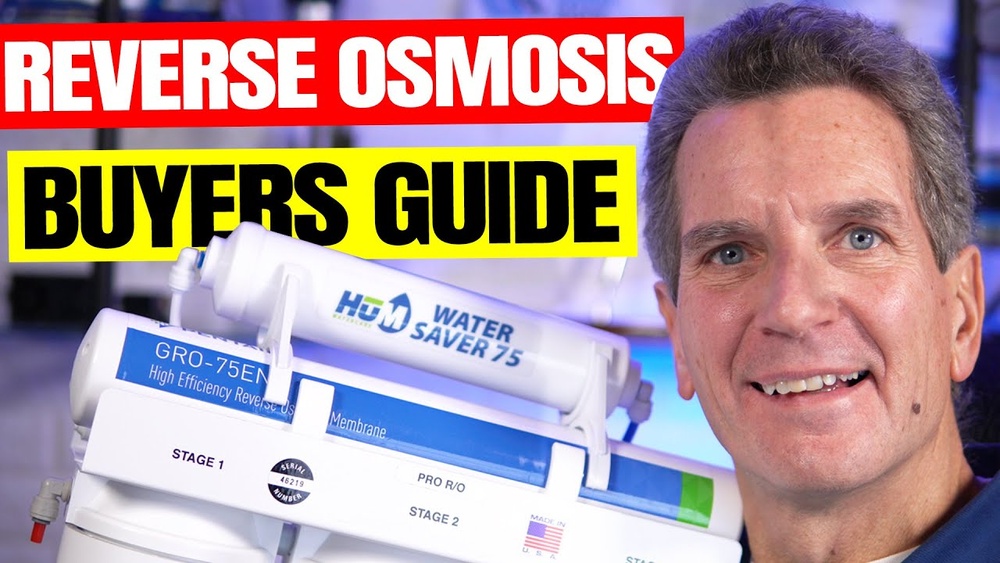


What is a Reverse Osmosis Drinking Water System?
A reverse osmosis (RO) drinking water system is a highly effective water filtration solution designed to provide your family with pure, clean, and safe drinking water. Its main function is to remove impurities, chemicals, dirt, minerals, and debris from your tap water, delivering water that is free from contaminants and tastes fresh.
How Does a Reverse Osmosis Drinking Water System Work?
At its core, a reverse osmosis drinking water system works by pushing water through a semipermeable membrane that filters out a broad range of impurities. This membrane traps contaminants such as harmful chemicals, sediment, and bad minerals, while allowing pure water molecules to pass through. The result is water that has been thoroughly purified.
It’s important to note that while the system removes many minerals—both harmful and beneficial—some RO systems offer the option to add beneficial minerals back into the water through a remineralization filter, which can also adjust the water’s pH to make it more alkaline.
Benefits of Using a Reverse Osmosis Drinking Water System
Choosing an RO system for your home has several distinct advantages :
- Purity : RO systems remove a wide array of contaminants, including chemicals, dirt, and debris, ensuring you get clean water.
- Improved Taste and Odor : Removing chlorine and other chemicals enhances the taste and smell of your drinking water.
- Environmental Impact : By providing purified water at home, you significantly reduce or eliminate the need for bottled water, helping to reduce plastic waste and microplastics pollution worldwide.
- Health Benefits : Eliminating harmful contaminants reduces potential health risks associated with drinking untreated tap water.
Environmental Considerations
The environmental impact of reverse osmosis systems is positive, primarily because they help reduce dependence on bottled water. Bottled water contributes to plastic pollution and the increasing problem of microplastics contaminating the world’s water supply. By switching to an RO system, you contribute to environmental sustainability by cutting down on plastic waste.
Additional Resources
If you want to understand more about how a reverse osmosis system works, there are detailed explanatory videos available that break down the entire filtration process step-by-step. These resources are helpful for visual learners and those new to water filtration technology.
Types of Reverse Osmosis Systems : Standard vs. High Efficiency
When shopping for a reverse osmosis drinking water system, it’s essential to understand the different types available on the market. Primarily, there are two categories : Standard Reverse Osmosis Systems and High Efficiency Reverse Osmosis Systems. Each type has unique features that affect water usage, flow rate, and overall system performance.
Standard Reverse Osmosis Systems
Standard RO systems are the traditional models commonly found in households. They use a process that wastes a significant amount of water during filtration. Specifically, for every gallon of purified water produced, a larger quantity of water is sent down the drain along with the contaminants.
This water wastage occurs because the system flushes away impurities along with excess water to keep the membrane clean and functioning properly. Typically, these systems use smaller quarter-inch tubing throughout, which can contribute to a slower flow rate of purified water from the faucet.
High Efficiency Reverse Osmosis Systems
High efficiency reverse osmosis systems are designed to reduce water waste significantly compared to standard models. They use improved technology to minimize the amount of water sent to the drain during the filtration process.
For example, the Water Saver 75 is a high efficiency RO system that wastes roughly half the water compared to standard systems. It features larger 3/8-inch tubing from the tank to the faucet, which allows for a higher flow rate and faster delivery of filtered water. This means less waiting time for your clean water.
Key Differences Between Standard and High Efficiency Systems
| Feature | Standard RO System | High Efficiency RO System |
|---|---|---|
| Water Waste | High amount of water wasted (more than double the purified water) | Approximately half the water wasted compared to standard systems |
| Tubing Size | Quarter-inch tubing throughout | Larger 3/8-inch tubing from tank to faucet |
| Flow Rate | Slower water flow due to smaller tubing | Higher flow rate for faster access to purified water |
| Remineralization Option | May or may not include option to add minerals back | Often includes or supports adding a remineralization filter to improve taste and alkalinity |
| Environmental Impact | More water waste | More water-efficient and eco-friendly |
Additional Features of High Efficiency RO Systems
High efficiency systems like the Water Saver 75 often come with several advanced features that enhance user experience and water quality :
- Remineralization Filter : This optional sixth filter stage adds back beneficial minerals that the RO process removes, improving taste and raising the water’s pH to make it alkaline.
- Higher Flow Rates : Thanks to the larger tubing, these systems can deliver water more quickly to your kitchen faucet or even to your refrigerator’s water dispenser and ice maker.
- Water Saving Technology : Designed specifically to reduce water waste, making them a more sustainable choice.
Choosing Between Standard and High Efficiency Systems
When deciding which type of RO system to purchase, consider the following factors :
- Water Waste Concerns : If minimizing water waste is important to you, a high efficiency system is the better option.
- Flow Rate Needs : For faster access to filtered water without waiting, high efficiency systems with larger tubing are preferable.
- Environmental Impact : High efficiency systems are more eco-friendly, helping reduce water usage and plastic waste by discouraging bottled water consumption.
- Budget : While high efficiency systems might have a slightly higher upfront cost, the long-term savings on water bills and environmental benefits may offset this.
- Additional Features : Consider if you want options like remineralization filters to enhance the taste and pH of your water.
Installation and Compatibility
Both standard and high efficiency RO systems are typically installed under the kitchen sink but can also be installed in basements or other locations within 20 feet of the faucet. High efficiency systems with larger tubing can also be connected to refrigerator water dispensers or ice makers for convenience.
Summary
Understanding the difference between standard and high efficiency reverse osmosis systems is crucial for making an informed purchase. High efficiency systems offer significant advantages in water conservation, flow rate, and additional features like remineralization filters. Standard systems, while still effective, tend to waste more water and have slower flow rates.
Key Features to Look for in a Reverse Osmosis System
Choosing the right reverse osmosis (RO) drinking water system for your family requires understanding the essential features that make a system efficient, reliable, and easy to maintain. The video with Gary the Water Guy and Anna from customer service highlights several critical factors that consumers should prioritize when shopping for an RO system to ensure long-term satisfaction and water quality.
Made in North America
One of the primary recommendations is to select a system that is manufactured in North America. This ensures higher quality control standards, better access to customer service, and availability of replacement parts and filters. Systems made locally are often supported by more comprehensive warranties and quicker technical support compared to imported alternatives.
Non-Proprietary Filters
When considering an RO system, look for one with non-proprietary filters. Proprietary systems lock you into buying replacement filters exclusively from the original manufacturer, which can be costly and may limit availability. If the company goes out of business, you might struggle to find compatible filters, risking the usability of your system. Non-proprietary systems allow you to purchase filters from multiple sources, often reducing costs and ensuring easier access to replacements.
Efficiency and Water Waste
Reverse osmosis systems vary in their water efficiency. Standard RO systems tend to waste a significant amount of water as they flush impurities down the drain along with some clean water. High-efficiency RO systems, such as the Water Saver 75 model mentioned in the video, are designed to minimize this waste by reducing the ratio of water discarded. This not only conserves water but also lowers your water bills.
Tubing Size and Flow Rate
The size of the tubing used in the RO system directly impacts the water flow rate at your faucet. Many standard RO systems utilize quarter-inch tubing throughout, which limits flow speed, leading to slower filling of the storage tank and faucet dispensing. High-efficiency systems often use larger 3/8 inch tubing between the tank and the faucet, significantly improving flow rates and user experience.
Remineralization Capability
While RO systems remove nearly all impurities and minerals from water, some users prefer to have essential minerals added back for taste and health benefits. Look for systems that allow the addition of a remineralizing filter as a final stage in the filtration process. This stage restores beneficial minerals and can raise the pH of the water, making it slightly alkaline, which many find more palatable and beneficial.
Support and Resources
Reliable customer service is crucial when purchasing and maintaining a reverse osmosis system. Choose brands that offer robust support, including :
- Helpful customer service teams responsive to questions
- Installation videos and troubleshooting guides
- Clear documentation for filter replacements and system upkeep
Such resources ensure that you can confidently install and maintain your system without unnecessary frustration or downtime.
Compatibility with Appliances
Another feature to consider is the system’s capability to connect to your refrigerator, especially if it dispenses water or makes ice. Many RO systems can be “tee’d off” to supply purified water to your fridge, enhancing convenience and ensuring all your drinking water sources are purified.
Summary Table : Key Features to Look For
| Feature | Importance | Benefit |
|---|---|---|
| Made in North America | High | Quality assurance, easier support and parts availability |
| Non-Proprietary Filters | High | Lower cost and easier filter replacement |
| High Efficiency Water Use | Medium to High | Less water waste, cost savings on water bills |
| Larger Tubing (3/8 inch) | Medium | Higher water flow and faster filling |
| Remineralization Option | Medium | Improved taste and added health benefits |
| Strong Customer Support & Resources | High | Easy installation and maintenance |
| Fridge Compatibility | Low to Medium | Convenient purified water and ice supply |
By focusing on these key features, you can confidently select a reverse osmosis system that delivers high-quality drinking water, offers convenience, and remains cost-effective and easy to maintain for years to come.
How Reverse Osmosis Systems Work : Filtration Process Explained
Understanding the filtration process behind reverse osmosis systems helps you appreciate how these units transform your tap water into pure, clean drinking water. The video explains the stages of filtration and the overall mechanism that removes impurities, ensuring you get the highest quality water for your family.
The Principle of Reverse Osmosis
Reverse osmosis works by forcing water through a semi-permeable membrane that removes contaminants, particles, and dissolved solids. This membrane acts as a barrier that only allows pure water molecules to pass through while blocking impurities such as chemicals, dirt, minerals, and other debris.
Step-by-Step Filtration Process
- Pre-Filtration Stages : The water first passes through several pre-filters designed to remove sediment, chlorine, and other larger particles that could damage the RO membrane. These filters typically include :
- Sediment filter – removes dirt, rust, and debris
- Carbon filter – eliminates chlorine and organic compounds
- Reverse Osmosis Membrane : After pre-filtration, the water is forced through the RO membrane. This membrane removes up to 99% of dissolved solids, heavy metals, chemicals, and microorganisms, leaving only pure water molecules to pass through.
- Storage Tank : The purified water is then stored in a pressurized storage tank. Because RO filtration is a slow process, the tank ensures you have immediate access to filtered water when you open your faucet.
- Post-Filtration and Optional Remineralization : When you open the faucet, water flows from the storage tank through a post-filter. Some systems include an optional remineralization filter that adds beneficial minerals back into the water and raises the pH to make the water alkaline.
Water Waste During Filtration
The reverse osmosis process inherently produces wastewater, as some of the water used to flush impurities down the drain does not get purified. Standard systems waste more water, whereas high-efficiency models like the Water Saver 75 reduce this waste significantly, making them more environmentally friendly and economical.
Storage Tank Functionality
The storage tank plays a crucial role in providing a steady supply of purified water. Because the RO membrane filters water slowly, the tank accumulates filtered water so that when you turn on the faucet, water dispenses immediately rather than waiting for filtration to occur on demand.
Connecting to Appliances
Many reverse osmosis systems can be connected to refrigerators that dispense water or make ice. This “tee off” connection ensures that your fridge receives purified water directly from the RO system, improving the quality and taste of your ice and drinking water throughout your home.
Summary of the Filtration Process
| Stage | Purpose | Removes |
|---|---|---|
| Pre-Filters (Sediment & Carbon) | Protect membrane and remove large particles | Dirt, rust, chlorine, organic chemicals |
| RO Membrane | Primary filtration barrier | Dissolved solids, heavy metals, bacteria, viruses |
| Storage Tank | Stores filtered water for immediate use | N/A |
| Post-Filter & Remineralizer (Optional) | Improves taste and adds beneficial minerals | Restores minerals, balances pH |
This multi-stage process ensures that the water you consume is not only clean and free from harmful contaminants but also tastes fresh and crisp.
Maintenance Tips : Filter Replacement and System Upkeep
Maintaining your reverse osmosis system is essential for preserving water quality and prolonging the life of the unit. The video emphasizes that upkeep is straightforward and manageable with the right schedule and resources. Below are detailed maintenance tips extracted from the video content to help you care for your system effectively.
Filter Replacement Schedule
The RO system includes several types of filters, each with different replacement intervals :
- Pre-Filters (Sediment and Carbon Filters) : Replace annually to maintain filtration efficiency and protect the membrane.
- RO Membrane : Usually replaced every 4 to 5 years, depending on water quality and usage. The membrane does not require yearly replacement unless water quality deteriorates.
- Post-Filters and Remineralizing Filters : Like pre-filters, these should typically be replaced once a year to ensure optimal taste and mineral content.
Replacing filters on time helps maintain the purity of your drinking water and prevents clogging or damage to the system components.
Easy DIY Maintenance
One of the benefits highlighted in the video is that maintaining your reverse osmosis system is simple and can usually be done by homeowners themselves. Many brands provide clear installation and maintenance videos, step-by-step instructions, and responsive customer service to assist with any questions or troubleshooting.
Common Maintenance Steps
- Turn off the water supply and relieve pressure by opening the faucet.
- Remove the old filter cartridges from their housings.
- Install new filters, ensuring proper placement and seals.
- Sanitize the system if recommended, especially when changing membranes.
- Flush the system to remove any trapped air and carbon fines.
- Check for leaks and ensure all connections are secure.
System Location and Installation Considerations
Proper installation also affects maintenance ease and system longevity. Commonly, RO systems are installed under the kitchen sink for easy access to the faucet and water supply. In some cases, they can be installed in a basement if within 20 feet of the faucet to avoid the need for a booster pump.
Additional Tips for Longevity
- Monitor water taste and pressure regularly as indicators of filter and membrane health.
- Keep an eye on any changes in water quality, such as cloudiness or odors, which may signal a need for earlier maintenance.
- Use only recommended replacement filters to avoid damage or contamination.
- Maintain awareness of any warranty or service agreements and follow manufacturer guidelines.
Support and Resources
Access to helpful videos and prompt customer service enhances the maintenance experience. Brands like the one discussed in the video provide extensive online resources, including :
- Installation tutorials
- Filter replacement guides
- Troubleshooting videos for common issues
- Responsive email support for quick answers
Having these resources ensures that even first-time users can confidently maintain their reverse osmosis systems without professional help.
Summary Table : Maintenance Overview
| Component | Replacement Interval | Maintenance Tips |
|---|---|---|
| Pre-Filters (Sediment & Carbon) | Every 12 months | Replace annually to protect membrane |
| RO Membrane | Every 4-5 years | Replace based on water quality and usage |
| Post-Filters & Remineralizers | Every 12 months | Replace annually for best taste and mineral balance |
Proper upkeep, timely filter changes, and using quality replacement parts will keep your reverse osmosis system functioning efficiently, delivering pure, great-tasting water for your household for years.
Installation Options and Considerations
When selecting a reverse osmosis (RO) drinking water system for your home, it is essential to understand the installation options available and the practical considerations involved. Most commonly, these systems are installed under the kitchen sink, which provides convenient access to filtered water directly where it is used most. However, installation location can vary depending on your home’s layout and plumbing setup.
Typical Installation Locations
The most common and straightforward installation spot is under the kitchen sink. This location allows for easy connection to the cold water supply line and provides a nearby spot for the dedicated faucet that dispenses the purified water. Installing the RO system here ensures immediate access and minimizes the distance the water needs to travel, preserving water quality and pressure.
In some homes, especially those with larger layouts or different plumbing configurations, installing the system in a basement or utility room is an option. This is practical if your basement is within a reasonable distance — ideally within 20 feet — from the kitchen sink where the RO faucet will be installed. If the distance exceeds this range, it may lead to a drop in water pressure and flow rate, potentially requiring additional equipment.
Distance and Water Pressure Considerations
Proximity between the RO unit and the faucet is critical for optimal performance. As mentioned, keeping the system within 20 feet of the faucet ensures the water pressure remains adequate and the flow rate is sufficient for everyday use. If the system is installed farther away, you might experience slower water flow, which could be inconvenient.
For situations where the distance is greater or water pressure is naturally low, a booster pump can be installed to improve water pressure through the RO system. Booster pumps help maintain consistent water flow and improve filtration efficiency, ensuring you get high-quality water even under less-than-ideal plumbing conditions.
Connecting to Additional Appliances
Modern RO systems can be connected not only to a dedicated faucet but also to other household appliances. A common example is connecting the RO system to a refrigerator that dispenses drinking water or makes ice. This is done by “teeing off” the RO system’s output line and routing filtered water to the fridge’s water inlet. This setup enhances convenience by supplying purified water directly to your fridge, ensuring that ice cubes and chilled water are free from contaminants.
Installation Guidance and Resources
Installing a reverse osmosis system can seem daunting, but many manufacturers provide comprehensive support materials to simplify the process. For example, instructional YouTube videos are often available that walk you through each step of installation, from preparing plumbing connections to mounting the system components under the sink. These videos reduce guesswork and help ensure the system is installed correctly for optimal performance.
Additionally, many RO system providers offer detailed manuals and customer support to assist with any questions during installation. This support can be invaluable, especially for first-time installers, to troubleshoot any issues and verify proper setup.
Summary of Installation Considerations
| Installation Factor | Key Points |
|---|---|
| Location | Under kitchen sink is standard; basement or utility room possible if within 20 feet of faucet |
| Distance to Faucet | Keep within 20 feet to maintain pressure and flow; longer distances may require booster pump |
| Booster Pump | Optional; improves water pressure for longer runs or low-pressure situations |
| Appliance Connections | Can connect to refrigerator water/ice dispenser via tee fitting |
| Installation Support | Instructional videos, manuals, and customer service available to assist |
By carefully considering these installation factors, you can ensure your reverse osmosis system is set up efficiently, providing your family with pure, great-tasting water whenever you need it.
Frequently Asked Questions About Reverse Osmosis Systems
When researching reverse osmosis drinking water systems, many potential buyers have common questions about how these systems work, maintenance requirements, and what to expect from their performance. Below, we address some frequently asked questions based on customer inquiries and expert advice.
How Does a Reverse Osmosis System Work?
An RO system works by forcing tap water through a series of filters and a semi-permeable membrane that removes impurities and contaminants. Typically, the water passes through four filtration stages plus the RO membrane :
- Pre-filters : Remove sediment, chlorine, and other larger particles that could damage the membrane.
- Reverse Osmosis Membrane : The core component that filters out dissolved solids, chemicals, bacteria, and viruses.
- Post-filter : Polishes the water, improving taste and odor before it reaches the faucet.
Filtered water is stored in a small pressurized tank and delivered to your faucet on demand. Because the system filters water slowly, the storage tank ensures you have purified water immediately available when you open the faucet.
How Often Should I Replace Filters and the Membrane?
Maintenance is key to keeping your RO system functioning properly and providing safe drinking water :
- Pre-filters and Post-filter : These should typically be replaced annually to maintain filtration quality and prevent clogging.
- RO Membrane : Unlike the filters, the membrane has a longer lifespan and usually needs replacement every five years, depending on water quality and usage.
Replacing filters regularly ensures consistent water quality and system longevity. It is simple to perform these replacements yourself, and manufacturers often provide clear instructions or videos to guide you through the process.
What About Water Wastage? Are There Efficient RO Systems?
Traditional RO systems waste a significant amount of water because the filtration process sends impurities and some water to the drain. However, high-efficiency reverse osmosis systems are designed to reduce this wastage substantially. For example, a high-efficiency system like the Water Saver 75 wastes roughly half the water compared to standard models, making it more environmentally friendly and economical.
Can I Add Minerals Back Into the Water?
Reverse osmosis removes not only contaminants but also some beneficial minerals. Fortunately, many RO systems offer an optional remineralization stage that adds essential minerals back into the purified water and increases the pH to make the water more alkaline. This stage improves the taste and health benefits of the water.
Is It Difficult to Install and Maintain an RO System?
Installation can be straightforward, especially with detailed guides and videos provided by manufacturers. Systems are typically installed under the sink with basic plumbing skills needed. Maintenance mainly involves annual filter changes, which are simple to perform. Customer support is often available for any questions or troubleshooting needs.
Can an RO System Connect to My Refrigerator?
Yes, many RO systems can be connected to refrigerators that have water dispensers or ice makers. This is done by splitting the purified water line and running a dedicated line to your fridge, ensuring that the water and ice are filtered and free of contaminants.
What Should I Look for When Buying an RO System?
Key factors to consider include :
- Manufactured in North America : Ensures quality and compliance with standards.
- Non-proprietary Filters : Allows you to buy replacement filters from multiple sources, avoiding high costs and supply issues.
- Tubing Size : Larger tubing (3/8 inch) provides higher flow rates compared to smaller (1/4 inch) tubing.
- Customer Support and Resources : Availability of videos, manuals, and responsive service teams.
Considering these factors will help you select a high-quality system that meets your needs and offers reliable performance over time.
Customer Support and Resources for Reverse Osmosis Systems
Purchasing a reverse osmosis drinking water system is an important investment, and having access to strong customer support and helpful resources can make all the difference in your overall satisfaction and ease of use.
Responsive Customer Service
A key feature to look for in an RO system provider is a responsive and knowledgeable customer service team. Many customers have shared positive experiences with companies that go “over the top” to assist with every need, including :
- Answering installation and maintenance questions promptly via email or phone.
- Providing updates regarding shipping and product availability, especially during challenging times such as the COVID-19 pandemic.
- Offering expert advice on troubleshooting and system optimization.
Having access to quick and helpful communication ensures that any concerns or issues you encounter can be resolved without frustration.
Educational Videos and Installation Guides
Many reputable RO system providers offer a rich library of educational resources including :
- Installation videos : Step-by-step tutorials that simplify the setup process, making it accessible even for those new to home plumbing.
- Maintenance guides : Instructions for replacing filters and membranes, ensuring proper upkeep of the system.
- Product demonstrations : Videos explaining system features, benefits, and comparisons between different models.
These resources empower customers to confidently install and maintain their systems, reducing the need for professional services and saving time and money.
Online Support and Community
Beyond direct customer support, many companies maintain active online platforms where customers can find FAQs, troubleshooting tips, and community forums. These venues allow users to share experiences and solutions, enhancing the overall knowledge base available.
Reliable Product Availability and Shipping
Consistent availability of replacement parts and filters is essential to ensure the longevity of your RO system. Providers that stock non-proprietary filters and offer free shipping and discount pricing provide added value and peace of mind. This approach protects customers from supply chain disruptions and ensures they can maintain their systems without interruption.
Customer Testimonials and Reviews
Reading real customer reviews can offer valuable insight into the quality and support provided by an RO system company. For instance, one customer praised the team for their professionalism, timely communication, and thorough support during installation. Such testimonials reinforce confidence in the company and its products.
Summary of Support and Resources
| Support Aspect | Description |
|---|---|
| Customer Service | Prompt, knowledgeable, and helpful via email and phone |
| Installation Videos | Step-by-step guides available online simplify setup |
| Maintenance Guides | Clear instructions for filter and membrane replacement |
| Online Community & FAQs | Access to shared knowledge and troubleshooting tips |
| Product Availability | Non-proprietary filters and free shipping options improve accessibility |
| Customer Reviews | Positive feedback highlights reliability and support quality |
Choosing a reverse osmosis system backed by comprehensive customer support and rich resources ensures a smooth ownership experience. You will not only enjoy clean, great-tasting water but also the confidence that help is readily available whenever you need it.