
Staying fit at home has become a popular choice for many people. A good home workout plan helps keep your body healthy without needing a gym.
Having a clear guide makes exercising easier and more effective. It saves time and fits your schedule. You can use simple tools or just your body weight. A well-structured plan keeps you motivated and helps track progress. Whether you want to build strength, lose weight, or improve flexibility, a home workout plan suits all goals.
This guide will help you understand how to start and stick with your routine. No special skills needed. Just a little space and willingness to move. It’s a smart way to stay active every day.
Credit: www.ecoparkcampogrande.com.br
Benefits Of Home Workouts
Exercising at home offers many advantages. It saves time and money. No need to travel or pay gym fees. Home workouts fit well into busy schedules. They help improve health, strength, and mood. This guide highlights the key benefits of working out at home.
Flexibility And Convenience
Home workouts allow exercise anytime. No fixed gym hours to follow. You can choose short or long sessions. This fits perfectly with daily tasks and family needs.
- Exercise in your preferred clothes
- Pause and restart as needed
- Choose any workout style
Cost-effective Fitness
Working out at home saves money. No gym membership fees. No travel costs or parking charges. Basic equipment like dumbbells or mats is affordable.
| Expense | Gym | Home Workout |
|---|---|---|
| Membership | $30-$70/month | Free or one-time purchase |
| Travel | $5-$15/week | $0 |
| Equipment | Provided | $20-$100 (optional) |
Privacy And Comfort
Home workouts offer a private space. No fear of being watched or judged. Exercise freely and comfortably. This helps build confidence and focus.
- Wear what feels best
- Try new exercises without pressure
- Control your workout environment
Improved Consistency
Easy access at home boosts workout habits. No excuses like bad weather or closed gyms. Regular exercise builds strength and energy.
- Set your own schedule
- Mix workouts to stay motivated
- Track progress easily
Credit: www.etsy.com
Essential Equipment
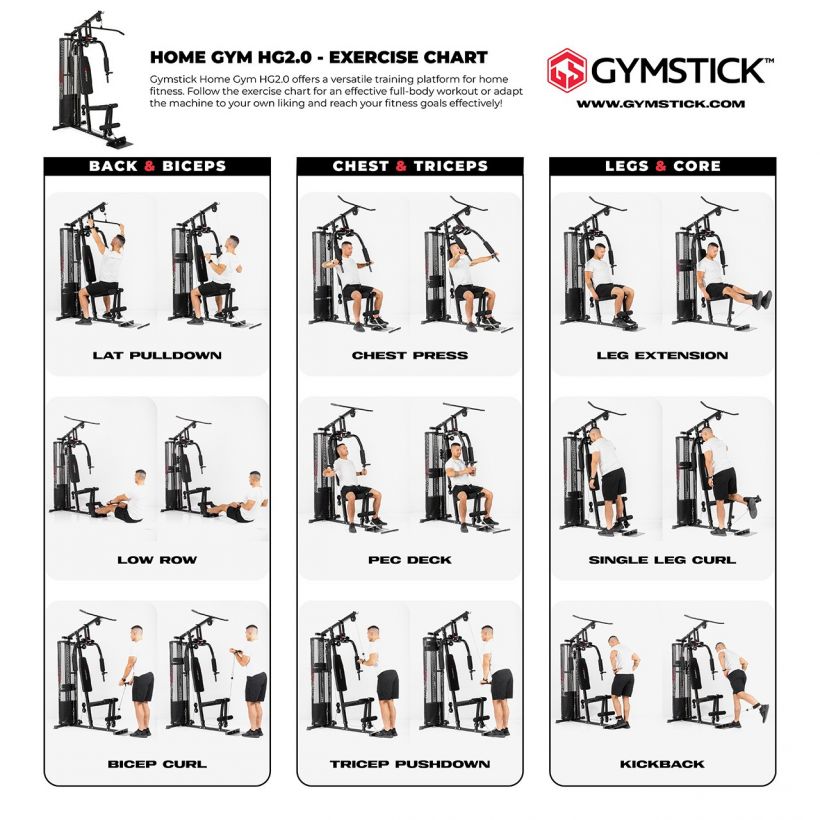
Creating a home workout plan needs the right equipment. Essential equipment helps improve exercises and keeps workouts safe. Some tools fit any space and budget. Choosing the right gear makes workouts easy and effective.
DumbbellsDumbbells are small weights. They help build muscle and strength. Use them for many exercises like curls, presses, and rows. Dumbbells come in different weights. Start light and increase as strength grows.
Resistance BandsResistance bands are stretchy bands for strength training. They are cheap and take little space. Use bands for stretching, toning, and muscle building. They come in different thicknesses for various strength levels.
Yoga MatA yoga mat provides comfort and grip. Use it for floor exercises, yoga, or stretching. It protects joints and prevents slipping. Choose a mat that is thick enough to cushion but easy to roll up.
Jump RopeA jump rope is a simple tool for cardio. It improves heart health and burns calories fast. Jump ropes are lightweight and easy to store. They fit small spaces and help with coordination and speed.
Exercise BallAn exercise ball improves balance and core strength. Use it for sit-ups, planks, and stretches. Balls come in different sizes. Pick one that fits your height for best results.
| Equipment | Purpose | Space Needed | Cost Range |
|---|---|---|---|
| Dumbbells | Build muscle, strength training | Small | Low to Medium |
| Resistance Bands | Strength, stretching | Very Small | Low |
| Yoga Mat | Comfort, grip for exercises | Medium (rolled) | Low |
| Jump Rope | Cardio, coordination | Very Small | Low |
| Exercise Ball | Balance, core strength | Medium | Medium |
Warm-up Routines
Warming up is an important step before starting any home workout plan. It helps your body get ready for exercise. Warm-up routines increase your heart rate and loosen your muscles. This reduces the risk of injury and improves your workout performance. Spend at least 5 to 10 minutes warming up to prepare your body for the exercises ahead.
What Is A Warm-up Routine?
A warm-up routine is a set of light activities done before the main workout. It gradually raises your body temperature and blood flow. This helps your muscles stretch and become flexible. Warm-ups also prepare your mind for exercise. Simple movements like walking or stretching are common warm-up exercises.
Benefits Of Warm-up Routines
- Increases blood flow: Sends more oxygen to your muscles.
- Improves flexibility: Makes muscles and joints more mobile.
- Reduces injury risk: Prevents strains and sprains.
- Enhances performance: Helps you exercise better and longer.
- Prepares your mind: Focuses your attention on the workout.
Simple Warm-up Exercises To Try At Home
| Exercise | Description | Duration |
|---|---|---|
| Jumping Jacks | Jump while spreading legs and raising arms overhead. | 1-2 minutes |
| Arm Circles | Rotate arms in small circles forward and backward. | 30 seconds each direction |
| Leg Swings | Swing one leg forward and backward gently. | 30 seconds per leg |
| Bodyweight Squats | Lower your body as if sitting in a chair, then rise. | 10-15 reps |
| Neck Rolls | Slowly roll your neck in circles to loosen muscles. | 30 seconds each direction |
How To Structure Your Warm-up
- Start with light cardio like marching in place or jumping jacks.
- Move to dynamic stretches that mimic your workout movements.
- Focus on the muscle groups you will use during exercise.
- Keep movements controlled and steady to avoid strain.
- End the warm-up feeling ready and energized.
Credit: www.walmart.com
Workout Types
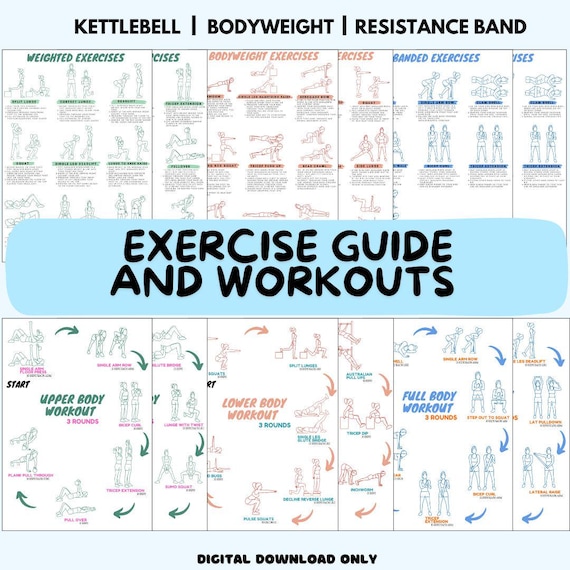
Creating a balanced home workout plan means including different workout types. Each type targets specific fitness goals and body parts. Mixing these workouts keeps your routine interesting and helps improve overall health. The main workout types you can do at home include strength training, cardio exercises, and flexibility and mobility workouts. Understanding these types helps you build a plan that fits your needs and space.
Strength Training
Strength training builds muscle and improves bone health. You can use your body weight or simple equipment like dumbbells or resistance bands. This workout type is great for increasing metabolism and burning calories even after exercise. It also helps with daily activities by making your muscles stronger.
Common strength training exercises include:
- Push-ups
- Squats
- Planks
- Lunges
- Dumbbell rows
Here is a simple strength training routine for beginners:
| Exercise | Sets | Repetitions |
|---|---|---|
| Push-ups | 3 | 8-12 |
| Bodyweight Squats | 3 | 10-15 |
| Plank | 3 | Hold 20-30 seconds |
| Lunges | 3 | 8-12 per leg |
Start with lighter weights or just body weight. Focus on form to avoid injury. Increase intensity gradually.
Cardio Exercises
Cardio exercises increase your heart rate and improve lung capacity. They help burn fat and boost energy. You can do many cardio workouts without special equipment. Cardio is important for heart health and endurance.
Popular home cardio exercises include:
- Jumping jacks
- High knees
- Burpees
- Running in place
- Mountain climbers
Try this simple cardio workout:
- Jumping jacks – 1 minute
- Rest – 30 seconds
- High knees – 1 minute
- Rest – 30 seconds
- Burpees – 1 minute
- Rest – 30 seconds
- Repeat 2-3 times
Cardio can be done every day or alternate days with strength training. Adjust the time and intensity based on your fitness level.
Flexibility And Mobility
Flexibility and mobility exercises improve your movement range and reduce injury risk. These workouts help muscles relax and joints move smoothly. Stretching and mobility drills are easy to do at home and require no equipment.
Important stretches and mobility exercises include:
- Hamstring stretch
- Hip openers
- Cat-cow stretch
- Shoulder circles
- Neck stretches
Try this quick routine to improve flexibility:
- Neck stretch – 20 seconds each side
- Shoulder circles – 10 forward, 10 backward
- Cat-cow stretch – 10 repetitions
- Seated hamstring stretch – 30 seconds each leg
- Hip opener stretch – 30 seconds each side
Perform flexibility exercises after workouts or as a stand-alone session. Regular practice increases joint health and eases muscle tension.
Sample Weekly Plan
A solid home workout plan helps build strength, improve health, and stay active. A sample weekly plan offers a clear path to follow. It guides your workouts day by day, balancing exercise and rest. Choosing the right schedule depends on your fitness level. This guide shows simple plans for beginners, intermediate, and advanced levels. Each plan focuses on key exercises that you can do at home with minimal equipment. The goal is to develop a routine that fits your pace and grows with you.
Beginner Schedule
Starting a workout routine at home can feel easy and safe with the right plan. The beginner schedule focuses on simple movements and short sessions. This helps your body adapt without strain or injury. Begin with 3 to 4 days of exercise per week. Each session lasts about 20 to 30 minutes.
- Warm-up: 5 minutes of light stretching or walking in place.
- Main workout: Bodyweight exercises like squats, wall push-ups, and lunges.
- Cool down: Gentle stretching to improve flexibility.
Here is a sample beginner weekly plan:
| Day | Workout | Duration |
|---|---|---|
| Monday | Full body workout (squats, push-ups, lunges) | 25 minutes |
| Tuesday | Rest or light stretching | 15 minutes |
| Wednesday | Core exercises (plank, bridges, bird-dog) | 20 minutes |
| Thursday | Rest | – |
| Friday | Full body workout | 25 minutes |
| Saturday | Light activity (walking, yoga) | 20 minutes |
| Sunday | Rest | – |
Focus on form and breathing. Take breaks if needed. The goal is consistency over intensity.
Intermediate Schedule
The intermediate schedule steps up the challenge. It adds more exercises and increases workout time. Aim for 4 to 5 days a week. Sessions last between 30 and 45 minutes. Include strength, cardio, and flexibility exercises for a balanced routine.
- Warm-up: 7 minutes of dynamic movements like arm circles and jogging in place.
- Main workout: Mix of bodyweight and light weights or resistance bands.
- Cool down: Stretching plus deep breathing exercises.
Try this weekly plan for intermediate fitness:
| Day | Workout | Duration |
|---|---|---|
| Monday | Upper body strength (push-ups, rows, shoulder presses) | 40 minutes |
| Tuesday | Cardio (jump rope, brisk walking, or jogging) | 35 minutes |
| Wednesday | Lower body strength (lunges, squats, calf raises) | 40 minutes |
| Thursday | Active recovery (yoga or stretching) | 30 minutes |
| Friday | Full body circuit (combine strength and cardio) | 45 minutes |
| Saturday | Rest or light walk | – |
| Sunday | Rest | – |
Push yourself but listen to your body. Use rest days to recover fully. Hydration and nutrition support your progress.
Advanced Schedule
The advanced schedule suits those comfortable with intense workouts. Training happens 5 to 6 days per week. Each session lasts 45 to 60 minutes. The focus shifts to strength, endurance, and skill improvement. Include challenging exercises and varied workout styles.
- Warm-up: 10 minutes with mobility drills and light cardio.
- Main workout: Weighted exercises, plyometrics, HIIT, and core training.
- Cool down: Extended stretching and relaxation techniques.
Here is a sample advanced weekly plan:
| Day | Workout | Duration |
|---|---|---|
| Monday | Strength training (deadlifts, squats, bench press) | 60 minutes |
| Tuesday | HIIT cardio (burpees, sprints, jump squats) | 45 minutes |
| Wednesday | Upper body hypertrophy (multiple sets of push-ups, rows, dips) | 60 minutes |
| Thursday | Active recovery (yoga, foam rolling) | 45 minutes |
| Friday | Lower body strength and power (jump lunges, kettlebell swings) | 60 minutes |
| Saturday | Core and balance (planks, hanging leg raises, stability ball exercises) | 45 minutes |
| Sunday | Rest | – |
Keep good form to avoid injury. Track progress to stay motivated. Rest is key to rebuild muscles and avoid burnout.
Tracking Progress
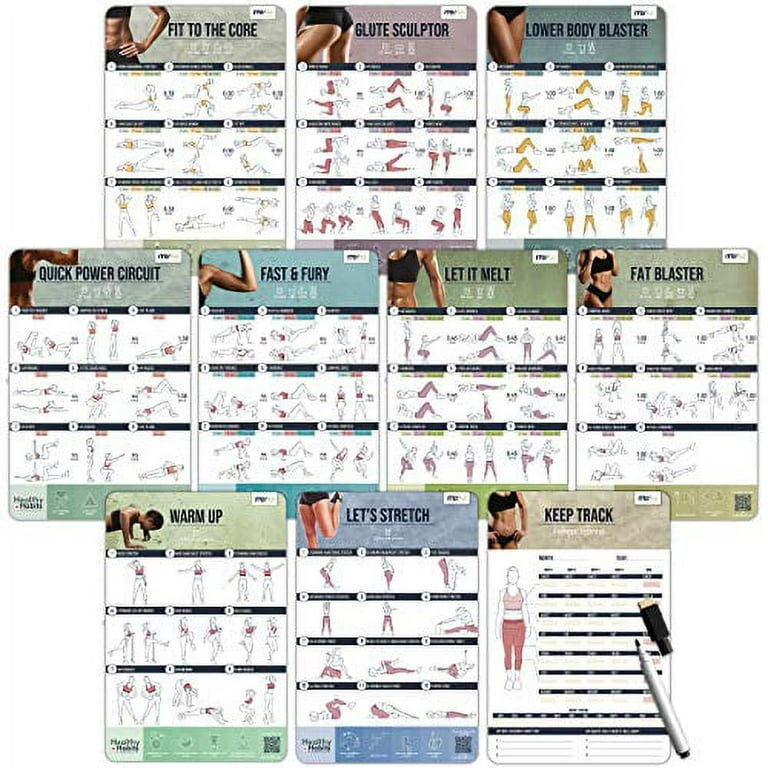
Tracking progress is a key part of any home workout plan. It helps you see how far you have come and what still needs work. Without tracking, it is easy to lose motivation or miss small improvements.
Keeping track of your workouts shows your strengths and highlights areas to improve. It keeps you focused and makes each session feel more rewarding. Simple tools and methods can help you record your progress clearly.
Using A Workout Journal
A workout journal is a simple notebook or app where you write down your exercises. It tracks sets, reps, weights, and how you feel during each session.
- Record daily workouts to monitor consistency.
- Note weight or resistance levels to see strength growth.
- Write down energy levels and any pain or discomfort.
This method helps you spot patterns and plan rest days or harder workouts.
Measuring Body Changes
Tracking physical changes gives a clear picture of your fitness progress beyond numbers. Use these simple methods:
| Measurement | How to Do It | Why It Helps |
|---|---|---|
| Body Weight | Weigh yourself weekly at the same time. | Shows fat loss or muscle gain trends. |
| Body Measurements | Measure waist, hips, arms, and chest with a tape. | Tracks where fat loss or muscle growth occurs. |
| Progress Photos | Take photos from front, side, and back every month. | Visual proof of body changes over time. |
Using Technology To Track Progress
Apps and devices make tracking easy and accurate. Many free apps allow you to log workouts and body stats.
- Fitness trackers count steps, heart rate, and calories burned.
- Workout apps guide exercises and record sets and reps.
- Smart scales measure weight and body fat percentage.
Choose tools that fit your routine and keep you motivated. The key is regular use, not fancy features.
Staying Motivated
Staying motivated is the key to success in any home workout plan. Without motivation, it is easy to skip workouts or lose focus. Keeping your energy high helps maintain a steady routine and reach your fitness goals. This section shares simple ways to stay motivated and enjoy your workouts every day.
Setting Clear And Achievable Goals
Start by setting simple and clear goals. Break big goals into smaller steps. This helps track progress and feel good about achievements.
- Write down your goals
- Make goals specific (e.g., “Do 10 push-ups”)
- Set deadlines for each step
Clear goals give direction and keep you focused on the workout plan.
Creating A Workout Schedule
A fixed workout schedule builds habit and reduces excuses. Choose a time of day when you feel most active.
- Pick days and times for workouts
- Write the schedule on a calendar or app
- Stick to it as much as possible
Consistency makes workouts part of your daily life.
Tracking Progress And Celebrating Wins
Tracking helps see how far you have come. Use a journal, app, or simple notes.
| Method | Benefits |
|---|---|
| Workout Journal | Record exercises, reps, and feelings |
| Fitness Apps | Visual progress charts and reminders |
| Photos | See physical changes over time |
Celebrate small wins. Reward yourself for completing goals. This keeps motivation high.
Keeping Workouts Fun And Varied
Doing the same exercises can get boring fast. Change your workouts to keep them interesting.
- Try new exercises weekly
- Mix cardio, strength, and flexibility
- Use music or videos for energy
Fun workouts make it easy to look forward to exercise time.
Finding Support And Accountability
Support helps stay on track. Share your plan with friends or join online groups.
- Workout with a family member or friend
- Join social media fitness groups
- Use apps with community features
Accountability partners remind you to keep going on tough days.
Common Mistakes To Avoid
Starting a home workout plan is a great step toward better health. Many people try to exercise at home but make some common mistakes. These mistakes can slow progress and cause frustration. Avoiding these errors helps you stay safe and see results faster.
Skipping Warm-ups And Cool-downs
Warm-ups prepare your body for exercise. Skipping them can lead to injuries.
Cool-downs help your muscles recover. Without cool-downs, you may feel stiff and sore.
- Warm-up example: 5 minutes of light jogging or jumping jacks.
- Cool-down example: Stretching major muscles for 5 minutes.
Using Poor Form
Doing exercises with wrong form can cause pain or injury. It also makes workouts less effective.
Focus on technique. Use mirrors or record yourself to check form.
- Keep your back straight during squats.
- Do not lock your knees in lunges.
- Engage your core during planks.
Not Having A Consistent Schedule
Irregular workouts make it hard to build strength and endurance. Consistency is key for progress.
Create a weekly plan and stick to it.
- Set specific days and times for workouts.
- Choose exercises you enjoy.
- Track your progress each week.
Ignoring Rest Days
Rest is important for muscle recovery and growth. Exercising every day without breaks can cause burnout.
Include at least 1-2 rest days weekly.
| Rest Day | Why It Matters |
|---|---|
| Muscle Repair | Rest allows muscles to heal and grow stronger. |
| Prevent Injury | Reduces risk of strains and overuse injuries. |
| Mental Health | Helps avoid workout burnout and keeps motivation high. |
Setting Unrealistic Goals
Expecting fast results can cause disappointment. Set small, achievable goals to stay motivated.
Track improvements in strength, endurance, or flexibility.
Goal Example: "Do 10 push-ups in 2 weeks" instead of "Do 50 push-ups tomorrow."
Frequently Asked Questions
What Are The Best Exercises For A Home Workout Plan?
Effective home workouts include bodyweight exercises like squats, push-ups, lunges, planks, and burpees. These target major muscle groups and require no equipment. They improve strength, endurance, and flexibility while fitting any fitness level or schedule.
How Often Should I Follow A Home Workout Routine?
Aim to exercise at least 3-5 times weekly for optimal results. Consistency helps build strength and endurance. Include rest days to allow muscles to recover and prevent injury. Adjust frequency based on your fitness goals and experience.
What Equipment Is Needed For A Home Workout Plan?
Basic equipment includes resistance bands, dumbbells, a yoga mat, and a stability ball. These enhance workout variety and intensity. However, many effective exercises require no equipment, making home workouts accessible to everyone.
How Can I Stay Motivated During Home Workouts?
Set clear goals, create a schedule, and track progress. Vary exercises to prevent boredom. Join online fitness communities or follow workout videos for guidance and encouragement. Celebrating small achievements boosts motivation and consistency.
Conclusion
Staying active at home is simple with the right plan. Small steps lead to big results over time. Consistency matters more than intensity or equipment. Choose exercises you enjoy and keep moving daily. Your body and mind will thank you soon.
Make this workout plan a regular habit. Fitness can fit your schedule and space. Start today and feel the positive change.