
Staying fit at home is easier than most people think. A good home workout plan can help you stay active and healthy without a gym.
A home workout plan guide gives structure to your fitness routine. It helps you know what to do, how often, and for how long. You can build strength, improve flexibility, and boost energy—all from your living room. This guide is perfect for beginners or anyone who wants to stay consistent.
It focuses on simple exercises, minimal equipment, and clear steps to reach your goals. No fancy tools, no crowded spaces—just you and your commitment. Ready to make your home your new fitness zone? Let’s explore how a smart plan can make daily workouts easy and effective.
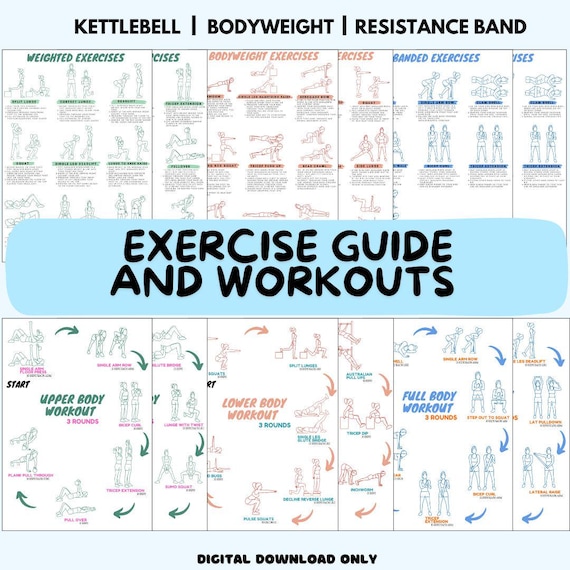
Credit: www.etsy.com
Benefits Of Home Workouts
Home workouts bring comfort, flexibility, and motivation right into your living space. A well-planned home workout routine helps you stay fit without visiting a gym. It offers control over time, privacy, and cost. Below are the key benefits that make home workouts a smart choice for anyone aiming for better health and fitness.
Convenience And Time-saving
Home workouts remove travel time and waiting lines. You can start your session anytime that suits your schedule. This freedom makes it easier to stay consistent. Even short workouts become possible during busy days. No need to pack a gym bag or wait for equipment. Just start and move.
Cost-effective Fitness
Gym memberships and classes can be expensive. Home workouts cut those costs completely. Only minimal equipment is needed, like a mat or resistance bands. A simple setup saves money while keeping the body active. You can follow free workout videos or your own routine.
| Expense Type | Gym Workout | Home Workout |
|---|---|---|
| Membership Fee | High | None |
| Travel Cost | Regular | Zero |
| Equipment | Provided | Low-cost or DIY |
Privacy And Comfort
Working out at home offers complete privacy. You can exercise without feeling judged. It helps beginners feel relaxed and confident. Your home becomes your personal fitness zone. Wear anything and move freely without distractions.
Flexibility And Customization
Home workouts fit any lifestyle. You can adjust exercises based on your goals. Choose strength, cardio, or stretching routines. Mix different styles to keep it fun. Create a plan that grows with your progress.
- Set your own pace.
- Pick exercises that match your energy level.
- Change duration anytime.
Improved Consistency And Motivation
Consistency is key for fitness success. Home workouts make it easier to stay regular. No schedule conflicts or long commutes. A familiar environment boosts motivation and comfort. Every small step adds up to visible results over time.
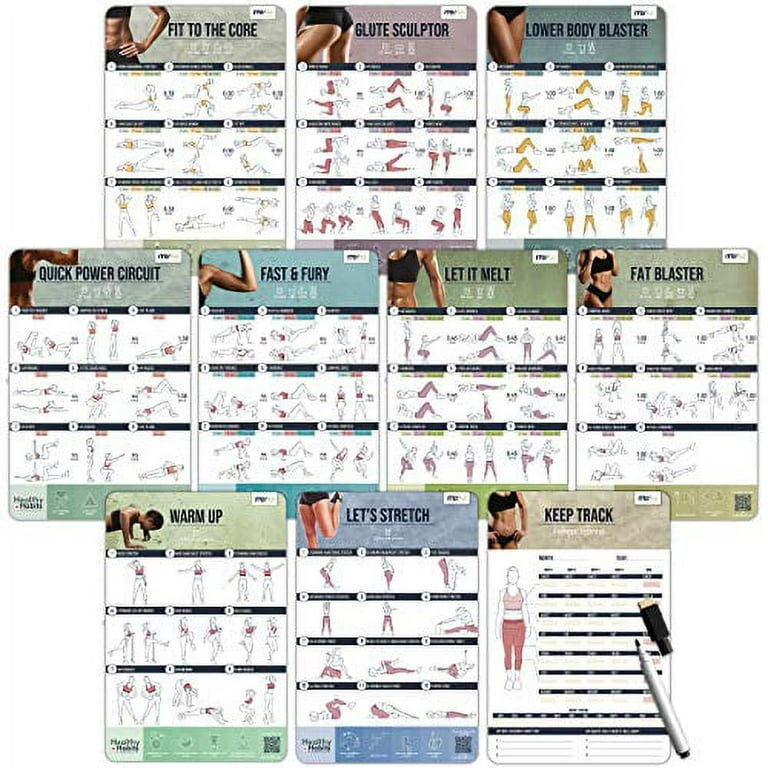
Credit: www.walmart.com
Essential Equipment
Essential equipment makes a home workout plan more effective and fun. The right tools help build strength, improve flexibility, and keep exercises safe. A small space and a few budget-friendly items are enough to start. Every piece of gear adds variety and keeps motivation high.
Resistance Bands
Resistance bands are light, affordable, and perfect for full-body workouts. They help train muscles through controlled tension. These bands are great for warm-ups, strength training, and stretching. Beginners and advanced users benefit from different resistance levels.
- Easy to store and carry.
- Works for legs, arms, and core.
- Improves flexibility and balance.
Dumbbells
Dumbbells are classic tools for building muscle strength. They support exercises that target arms, shoulders, chest, and legs. Adjustable dumbbells save space and let users change weight easily. Regular use helps tone and build lean muscle.
| Type | Best For | Weight Range |
|---|---|---|
| Fixed Dumbbells | Simple home use | 1kg – 20kg |
| Adjustable Dumbbells | Compact workouts | 2kg – 40kg |
Yoga Mat
A yoga mat provides comfort and grip during floor exercises. It supports stretching, planks, and core workouts. A non-slip surface prevents injuries and keeps posture stable. Choose a mat with good thickness for joint support.
- Helps maintain balance.
- Reduces pressure on knees and elbows.
- Easy to clean and roll up.
Jump Rope
A jump rope is ideal for quick cardio. It improves coordination and burns calories fast. It takes little space and suits any fitness level. Just a few minutes of skipping boosts heart health and stamina.
- Portable and light.
- Enhances speed and agility.
- Great for warm-up sessions.
Stability Ball
A stability ball strengthens the core and improves posture. It supports balance training and helps tone abdominal muscles. It also adds challenge to push-ups and planks. Choose a ball size that fits your height for best results.
| Height Range | Ball Size |
|---|---|
| 150cm – 165cm | 55cm |
| 166cm – 180cm | 65cm |
| 181cm – 195cm | 75cm |
Warm-up Routines
A good home workout starts with a proper warm-up. Warm-up routines prepare the body for movement and reduce injury risk. Muscles wake up, joints loosen, and blood flow increases. These short exercises help the body move better and make the workout more effective. A few minutes of warm-up can improve strength, flexibility, and focus.
Dynamic Stretching
Dynamic stretching means moving while stretching. It helps muscles get ready for action. These stretches raise heart rate and improve body coordination. Try these simple moves before your workout:
- Arm circles – rotate arms forward and backward for 30 seconds.
- Leg swings – move each leg forward and backward 15 times.
- Hip rotations – rotate hips gently in circles to loosen joints.
Tip: Keep your movements slow and controlled. Do not rush through stretches.
Light Cardio Warm-up
Cardio warm-ups increase blood flow and body temperature. They prepare the heart and lungs for exercise. Use easy movements to raise energy gradually. Below is a quick routine:
- March in place for 1 minute.
- Do jumping jacks for 30 seconds.
- Jog lightly around your room for 1 minute.
Repeat the steps once more if your body still feels stiff.
Joint Mobility Exercises
Joint mobility keeps your body flexible and pain-free. These exercises make joints move smoothly. Focus on common areas like shoulders, wrists, knees, and ankles.
| Body Part | Exercise | Duration |
|---|---|---|
| Shoulders | Shoulder rolls | 20 seconds |
| Wrists | Wrist circles | 15 seconds |
| Knees | Knee bends | 20 seconds |
| Ankles | Ankle rotations | 15 seconds |
Do these moves slowly to avoid strain. Feel the movement in each joint.
Breathing And Mind Readiness
Warm-ups are not only for muscles. Breathing helps the mind stay calm and focused. Take deep breaths before your workout. Follow this simple breathing pattern:
Inhale deeply for 4 seconds Hold for 2 seconds Exhale slowly for 4 seconds Repeat 5 timesRemember: A calm mind and warm body make every workout safer and stronger.
Credit: www.ecoparkcampogrande.com.br
Workout Types
A balanced home workout plan includes different workout types that target various body needs. Each type plays a key role in building strength, improving stamina, and keeping the body flexible. A mix of strength training, cardio exercises, and flexibility workouts ensures complete physical development. Understanding these workout types helps create a routine that fits your goals and lifestyle.
Strength Training
Strength training focuses on building muscle and improving bone health. It uses resistance to make muscles work harder. This type of workout helps burn calories even after the session ends. It also boosts metabolism and supports better posture.
Simple strength exercises need little to no equipment. Bodyweight moves are enough to start. Use proper form to avoid injury and get the best results.
- Push-ups – Work chest and arms.
- Squats – Strengthen legs and glutes.
- Planks – Build core stability.
- Lunges – Improve balance and lower body strength.
Training two or three times per week is effective. Muscles need rest between sessions for repair and growth.
| Exercise | Target Area | Duration |
|---|---|---|
| Push-ups | Chest, Triceps | 3 sets of 10 reps |
| Squats | Legs, Glutes | 3 sets of 15 reps |
| Plank | Core | Hold for 30–60 seconds |
Tip: Track your progress. Increase reps or sets gradually. Stay consistent for visible improvement.
Cardio Exercises
Cardio exercises raise the heart rate and improve endurance. They help the heart pump blood more efficiently. Cardio keeps the body active and supports fat loss. It also improves mood and energy levels.
Cardio workouts can be done indoors without equipment. A small space is enough. Choose exercises that keep you moving and maintain rhythm.
- Jumping jacks – Simple full-body warm-up.
- High knees – Boost heart rate quickly.
- Burpees – Combine strength and cardio.
- Mountain climbers – Tone abs while improving speed.
Cardio sessions should last 20–40 minutes. Beginners can start with shorter sessions and build up gradually.
| Exercise | Intensity | Duration |
|---|---|---|
| Jumping Jacks | Medium | 2 minutes |
| High Knees | High | 1 minute |
| Burpees | High | 10 reps |
Tip: Keep breathing steady. Drink water before and after workouts. Cardio improves heart health and endurance over time.
Flexibility And Mobility
Flexibility and mobility exercises keep joints healthy and muscles relaxed. They reduce stiffness and help prevent injuries. These workouts also improve posture and body movement.
Stretching daily increases range of motion and helps recovery after intense sessions. It balances strength and reduces muscle tension. Focus on smooth movements and controlled breathing.
- Neck stretches – Ease tension from sitting long hours.
- Shoulder rolls – Loosen upper body muscles.
- Hamstring stretches – Improve lower body flexibility.
- Hip circles – Support joint mobility.
Try combining flexibility exercises with your warm-up or cool-down. Gentle yoga poses are also effective for improving mobility.
| Stretch | Target Area | Hold Time |
|---|---|---|
| Neck Stretch | Neck, Shoulders | 20 seconds each side |
| Hamstring Stretch | Legs | 30 seconds |
| Hip Circles | Hips, Lower Back | 10 circles each side |
Tip: Stretch slowly. Never bounce during stretches. Breathe deeply to relax the muscles and enhance flexibility.
Sample Weekly Plan
A strong home workout plan keeps you active and healthy. It removes the need for fancy gym equipment and saves time. The Sample Weekly Plan below helps you stay consistent. It gives structure to your training and boosts motivation. Each level—beginner, intermediate, and advanced—offers a clear path for progress. The goal is simple: move daily, improve strength, and build lasting habits.
Beginner Schedule
This plan suits those starting their fitness journey. It focuses on bodyweight exercises and gentle movements. The aim is to build endurance and flexibility safely. Each session lasts about 30 minutes. Take one rest day per week to let your body recover.
| Day | Workout | Focus Area |
|---|---|---|
| Monday | 20 squats, 15 push-ups, 30-sec plank | Full Body |
| Tuesday | Brisk walk 25 mins | Cardio |
| Wednesday | 10 lunges each leg, 15 sit-ups | Lower Body |
| Thursday | Stretching and mobility drills | Flexibility |
| Friday | Repeat Monday routine | Full Body |
| Saturday | Light yoga or walk | Recovery |
| Sunday | Rest | Relax |
Tips for beginners:
- Warm up for five minutes before each session.
- Focus on correct posture and breathing.
- Stay hydrated throughout the day.
- Track progress weekly to stay motivated.
Consistency matters more than intensity. Each small effort builds confidence and stamina. Keep workouts simple and enjoyable.
Intermediate Schedule
This stage suits those with basic strength and endurance. Workouts are longer and more challenging. The goal is to boost stamina, tone muscles, and improve balance. Each session lasts about 40 minutes. Include one active rest day with light movement.
| Day | Workout | Focus Area |
|---|---|---|
| Monday | 3 sets of 15 squats, 20 push-ups, 45-sec plank | Strength |
| Tuesday | Jog 30 mins or cycle indoors | Cardio |
| Wednesday | 3 sets of lunges, crunches, and leg raises | Core & Lower Body |
| Thursday | Stretching and foam rolling | Recovery |
| Friday | Burpees, mountain climbers, jump squats (3 rounds) | HIIT |
| Saturday | Yoga or Pilates session | Flexibility |
| Sunday | Rest or light walk | Active Recovery |
Key advice:
- Control your pace and form.
- Include stretching after each workout.
- Eat balanced meals to support recovery.
- Set small weekly goals for motivation.
Intermediate workouts challenge your limits. Each day builds strength and confidence. Stay patient and keep moving forward.
Advanced Schedule
This plan suits experienced individuals. It combines intensity and precision. Each workout targets multiple muscle groups. Training lasts about 50 minutes daily. One rest day per week keeps the body fresh.
| Day | Workout | Focus Area |
|---|---|---|
| Monday | 4 rounds of circuit: squats, push-ups, pull-ups, plank (60 sec) | Full Body Strength |
| Tuesday | HIIT: sprint intervals or jump rope 30 mins | Cardio Endurance |
| Wednesday | Core: sit-ups, leg raises, Russian twists (4 sets) | Abdominal Strength |
| Thursday | Resistance bands or dumbbell training | Muscle Toning |
| Friday | Bodyweight circuit with minimal rest | Explosive Power |
| Saturday | Yoga or deep stretching session | Flexibility & Recovery |
| Sunday | Rest | Recovery |
Pro tips:
- Track heart rate during workouts.
- Use progressive overload to build strength.
- Sleep well to support muscle repair.
- Listen to your body and avoid overtraining.
Advanced routines build endurance and control. Each movement demands focus and precision. Stay consistent and push with care.
Tracking Progress
Tracking progress keeps your home workout plan effective and motivating. It helps you see growth and stay focused. Without tracking, workouts can feel random and less rewarding. A clear record shows effort and results, turning daily exercise into visible success.
Why Tracking Progress Matters
Progress tracking gives structure to your workout routine. It shows what works and what needs change. Seeing small wins builds confidence and keeps motivation strong. It also prevents mistakes like overtraining or skipping goals.
- Motivation: Seeing results pushes you to stay consistent.
- Awareness: You understand your body’s limits and improvements.
- Goal Setting: Tracking helps you set realistic and measurable goals.
Simple Ways To Track Your Progress
Use easy methods that fit your daily routine. A notebook, phone app, or online chart works well. Keep your process simple to ensure you stay consistent.
- Record workout days and exercises.
- Write reps, sets, and rest time.
- Note how your body feels after each session.
- Take photos every few weeks.
Using A Progress Tracking Table
A table helps visualize your progress clearly. You can see changes in strength, endurance, or weight at a glance.
| Week | Exercise | Sets/Reps | Weight Used | Notes |
|---|---|---|---|---|
| 1 | Push-ups | 3 x 10 | Bodyweight | Hard to finish last set |
| 2 | Push-ups | 3 x 15 | Bodyweight | Improved endurance |
| 3 | Push-ups | 4 x 15 | Bodyweight | Form feels stronger |
Digital Tools For Better Tracking
Use apps that record your workouts and progress automatically. They save time and show useful trends. Many apps include reminders and charts that make progress easy to see.
- Fitness apps: Track sets, reps, and rest times.
- Smartwatches: Measure heart rate and calories.
- Spreadsheets: Create simple weekly tracking sheets.
Review And Adjust Regularly
Review results every two weeks. See what changed and adjust your plan. Celebrate small wins and keep the momentum going. Tracking turns your home workout plan into a clear journey of progress.
Staying Motivated
Staying motivated is the hardest part of any home workout plan. Energy fades, goals blur, and skipping a day feels easy. Yet, staying consistent makes all the difference. With a few smart habits, it’s possible to keep the drive alive and enjoy every workout. Motivation turns simple exercises into lasting results.
Set Clear And Realistic Goals
Clear goals guide progress and boost focus. Write down what you want to achieve. Make each goal specific, measurable, and achievable. Avoid vague plans like “get fit.” Instead, try “do 20 push-ups daily for a month.” Small wins build confidence and keep you moving forward.
| Goal Type | Example | Duration |
|---|---|---|
| Strength | Hold plank for 2 minutes | 4 weeks |
| Endurance | Jog 5 km without stopping | 6 weeks |
| Flexibility | Touch toes easily | 3 weeks |
Create A Routine You Enjoy
Joy fuels consistency. Choose exercises that make you feel good. Mix strength, cardio, and stretching. Keep workouts short but regular. A fun routine feels less like a chore and more like self-care.
- Try music that lifts your mood.
- Change workout spots for variety.
- Track progress with a simple chart.
Use Visual Reminders
Visual cues strengthen daily habits. Place your yoga mat where you can see it. Hang a goal chart near your desk. Seeing progress sparks motivation every day.
- Print a monthly workout calendar.
- Mark completed days with color.
- Celebrate milestones with a small treat.
Stay Accountable
Accountability keeps effort steady. Share your goals with a friend or family member. Post updates or track results in a notebook. A little pressure encourages discipline and pride.
Consistency wins over intensity. Doing a short workout daily builds lasting habits better than long breaks between sessions.
Common Mistakes To Avoid
A good home workout plan can keep you fit and strong without going to the gym. Yet many people make small mistakes that slow their progress or cause injuries. Knowing these errors helps you train smarter and stay consistent. Let’s explore some common mistakes to avoid for better results and safer workouts.
Skipping Warm-up And Cool-down
Warm-up prepares your body for exercise. Cool-down helps your muscles recover. Skipping both can cause pain and stiffness. Spend at least 5–10 minutes warming up with light movements. Stretch gently after your workout.
- Start with arm circles or leg swings.
- End with slow stretches or deep breathing.
Never start high-intensity training on a cold body. It can lead to strains or fatigue.
Ignoring Proper Form
Bad posture leads to injuries and poor results. Always focus on technique before speed or weight. Use a mirror or record yourself to check your form. Proper alignment keeps your joints safe and muscles active.
| Exercise | Common Mistake | Correction Tip |
|---|---|---|
| Squats | Knees go too forward | Keep knees behind toes |
| Push-Ups | Hips sag | Tighten your core |
| Planks | Head drops down | Keep neck aligned |
Doing Too Much Too Soon
Many start strong and then quit due to pain or burnout. Gradually raise your training level. Listen to your body and rest enough. Overtraining can harm progress.
- Increase reps or sets slowly.
- Allow recovery days.
- Track your energy levels.
Progress is built over time, not overnight.
Skipping Rest And Recovery
Rest days repair muscles and prevent fatigue. Without recovery, your body breaks down. Sleep well and eat balanced meals. Stretching and hydration also speed recovery.
- Take at least one rest day weekly.
- Drink enough water daily.
- Use light activity for active recovery.
Not Setting Clear Goals
Training without a goal leads to poor focus. Set small, clear targets for better motivation. Write them down and track progress weekly. Goals keep workouts structured and rewarding.
Clear goals turn random exercises into real progress.
Frequently Asked Questions
What Is The Best Home Workout Plan For Beginners?
A beginner home workout plan should focus on bodyweight exercises like squats, push-ups, and planks. Start with short sessions and gradually increase intensity. Combine strength, cardio, and flexibility training for balanced results. Consistency and proper form are key to building strength and endurance at home effectively.
—
How Can I Stay Motivated For Home Workouts?
Staying motivated for home workouts requires setting clear goals and tracking progress. Create a dedicated workout space and schedule sessions regularly. Follow fitness influencers or join online communities for inspiration. Reward yourself for milestones and keep workouts fun by trying new routines or music playlists.
—
Do Home Workouts Help With Weight Loss?
Yes, home workouts can effectively support weight loss when combined with a healthy diet. High-intensity interval training (HIIT) burns calories quickly. Strength training boosts metabolism and promotes fat loss. Staying consistent and maintaining a calorie deficit are essential for achieving sustainable weight loss results at home.
—
What Equipment Do I Need For Home Workouts?
You can start home workouts using minimal equipment like resistance bands, dumbbells, and a yoga mat. Bodyweight exercises work well for strength building. As you progress, consider adding kettlebells or a jump rope for variety. Choose equipment based on your fitness goals and available space.
—
Conclusion
A home workout plan helps you stay fit without leaving your house. Small steps lead to strong results. Focus on daily movement, steady progress, and good form. You don’t need fancy equipment, just consistency and effort. Each workout brings you closer to your health goals.
Keep your space clean, stay motivated, and track your progress. Let your body guide your pace. Simple routines can make a big difference over time. Start today and build strength right where you are. Fitness begins at home, with your commitment and energy.