
Intermittent fasting is a way some people choose to eat. It means you eat only at certain times. At other times, you do not eat anything at all. This is different from dieting where people count calories or avoid some foods. Intermittent fasting is about when you eat, not what you eat.
How Does Intermittent Fasting Work?
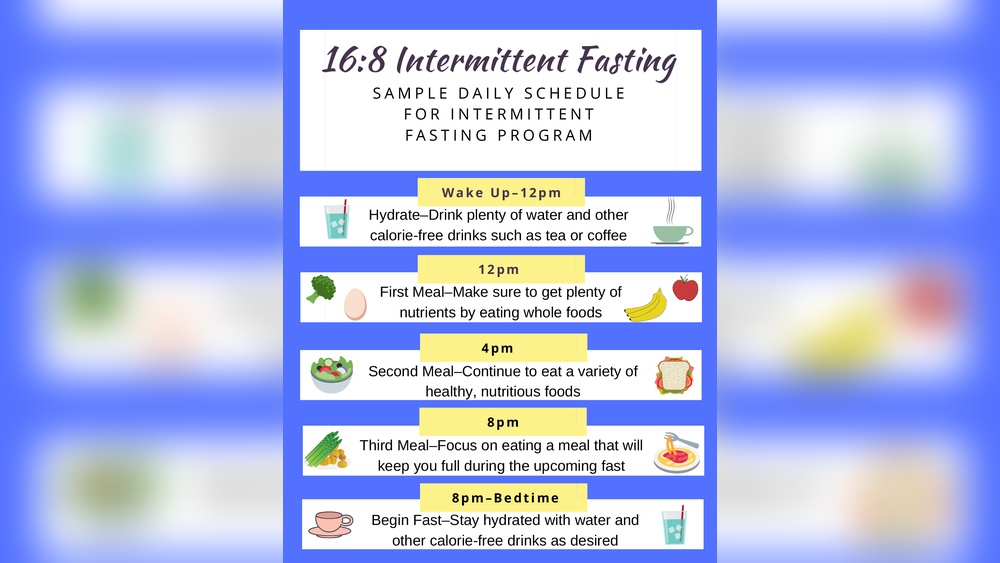
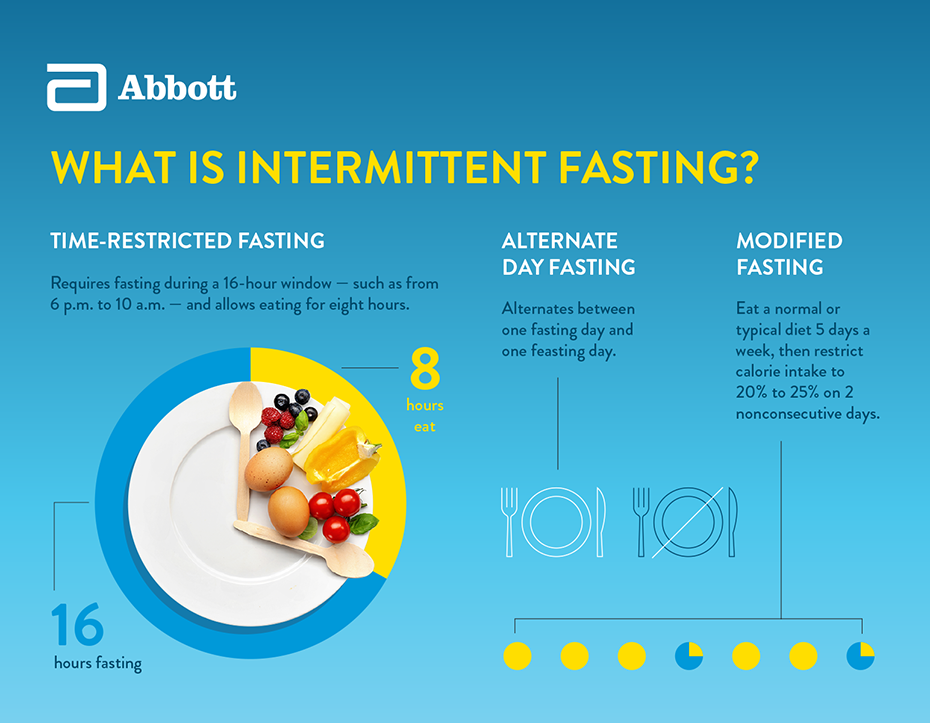
The idea is simple. You eat during a set window of time each day. Then, you fast, or do not eat, for the rest of the day. For example, some people eat only from 12 noon to 8 pm. They fast from 8 pm until 12 noon the next day. This means they fast for 16 hours and eat in an 8-hour window.
When you fast, your body uses stored energy. This energy comes from fat. So, some people use intermittent fasting to help lose weight. But it is not only about weight. It can also help your body work better in other ways.
Popular Types of Intermittent Fasting
There are several ways to do intermittent fasting. Here are some common types:
| Type | How It Works | Example |
|---|---|---|
| 16/8 Method | Fast for 16 hours, eat for 8 hours. | Eat from 12 pm to 8 pm, fast rest of day. |
| 5:2 Diet | Eat normally 5 days; limit calories 2 days. | Eat 500-600 calories on fasting days. |
| Eat-Stop-Eat | Fast for 24 hours once or twice a week. | Stop eating from dinner one day to dinner next day. |
| Alternate Day Fasting | Fast every other day. | Eat normally one day, fast next day. |
Why Do People Try Intermittent Fasting?
There are many reasons people choose intermittent fasting. Here are some common ones:
- Weight Loss: Fasting can help burn fat by using stored energy.
- Better Health: It may help lower blood sugar and cholesterol.
- Simplicity: No need to count calories all the time.
- Improve Focus: Some people feel more alert when fasting.
- Body Repair: Fasting might help cells clean and fix themselves.

Credit: www.health.harvard.edu
What Happens in Your Body During Fasting?
When you eat, your body uses sugar from food for energy. Sugar comes from carbohydrates like bread, rice, and fruit. When you stop eating, your body looks for other energy sources.
First, it uses stored sugar in the liver and muscles. After about 12 hours without food, these stores get low. Then, your body starts to burn fat for energy. This makes your body use fat stores, which can reduce body fat.
Fasting also changes hormone levels. For example, insulin levels go down during fasting. Lower insulin helps fat burning. Another hormone, human growth hormone, can increase. This helps keep muscle and burn fat.
Is Intermittent Fasting Safe?
For many people, intermittent fasting is safe. But it is not for everyone. Some people should be careful or avoid it. These include:
- Children and teens still growing
- Pregnant or breastfeeding women
- People with certain health problems, like diabetes
- People who have a history of eating disorders
If you want to try intermittent fasting, talk to a doctor first. They can help you know if it is safe for you. Also, start slowly. Try shorter fasting times and see how your body feels.
Common Mistakes to Avoid
Some people make mistakes when they start intermittent fasting. Here are some to watch out for:
- Eating too much: Some think they can eat anything during eating times. But eating too much can stop weight loss.
- Not drinking enough water: Water is very important during fasting.
- Skipping balanced meals: Eating only junk food is not good for health.
- Fasting too long: Very long fasts can cause problems like dizziness or weakness.
Remember, fasting is about timing, not starving. Healthy eating matters too.
How to Start Intermittent Fasting
Starting intermittent fasting is easy if you follow these steps:
- Choose a method: Pick a fasting plan that fits your life.
- Set your eating window: Decide when you will eat and fast.
- Drink water: Stay hydrated during fasting hours.
- Eat healthy meals: Focus on fruits, vegetables, and proteins.
- Listen to your body: Stop if you feel bad and talk to a doctor.
Credit: www.nutritionnews.abbott
Benefits of Intermittent Fasting
Many studies show benefits of intermittent fasting. Here are some key ones:
- Weight Loss: Helps reduce body fat without counting calories.
- Improved Blood Sugar: Can lower insulin resistance.
- Heart Health: May lower blood pressure and cholesterol.
- Brain Health: Might help brain function and protect from diseases.
- Longevity: Some research shows fasting may help people live longer.
Things to Remember
Intermittent fasting is not a quick fix. It is a habit. It takes time to see results. It works best with healthy food and exercise. Also, every person is different. What works for one may not work for another.
Be patient. Try different fasting times. Find what feels good for your body. And always keep your health first.
Summary
Intermittent fasting means eating only during set times. You fast for many hours each day. This helps your body burn fat and use energy better. There are different ways to fast. Some fast for 16 hours, others for 24 hours or alternate days.
People try intermittent fasting to lose weight, improve health, and feel better. It changes hormones and helps the body repair itself. But it is not for everyone. Talk to a doctor before starting.
Start slow, drink water, eat healthy, and listen to your body. Intermittent fasting can be a good way to improve health when done right.
Frequently Asked Questions
What Is Intermittent Fasting And How Does It Work?
Intermittent fasting is a cycle of eating and fasting periods that helps control calorie intake and improve metabolism.
Can Intermittent Fasting Help With Weight Loss?
Yes, it reduces calorie intake and boosts fat burning, aiding effective weight loss.
What Are The Common Types Of Intermittent Fasting?
Popular types include 16/8, 5:2, and Eat-Stop-Eat, each with different fasting and eating windows.
Is Intermittent Fasting Safe For Everyone?
Most healthy adults can try it, but people with medical conditions should consult a doctor first.