
Intermittent fasting is a way of eating with planned breaks. It means you eat during some hours and fast during others. Many people use this method to help their body and mind. It is not a diet that tells you what food to eat. It is about when you eat.
This method has become popular in many countries. People like it because it is simple to follow. There are no special foods needed. You only need to manage your eating time. That sounds easy, right? But it still needs care and planning.
How Intermittent Fasting Works
Our bodies use food for energy. When we eat, our body gets sugar from food. This sugar gives power to cells. When we stop eating, our body starts using stored fat for energy. That is the time when fasting helps.
During fasting, insulin levels go down. This helps fat burn faster. The body learns to use stored energy. It is a natural process. Humans have fasted for thousands of years. Long ago, people had no food all the time. So, fasting is not new. It is part of human life.
Credit: www.nutritionnews.abbott
Different Types of Intermittent Fasting
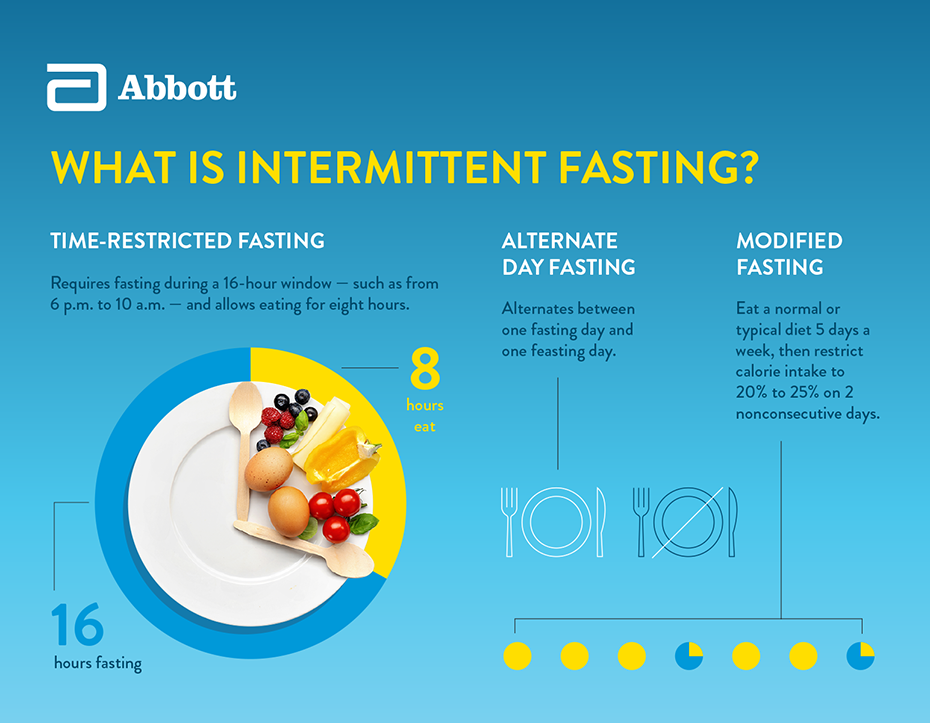
There are several ways to do intermittent fasting. Each type has its own timing and rules. Let us look at the most common ones.
| Fasting Type | Eating Pattern |
|---|---|
| 16/8 Method | Fast for 16 hours and eat for 8 hours. |
| 14/10 Method | Fast for 14 hours and eat for 10 hours. |
| 5:2 Method | Eat normal 5 days and eat less for 2 days. |
| Alternate Day Fasting | Fast every other day. |
| Eat Stop Eat | Fast for 24 hours once or twice a week. |
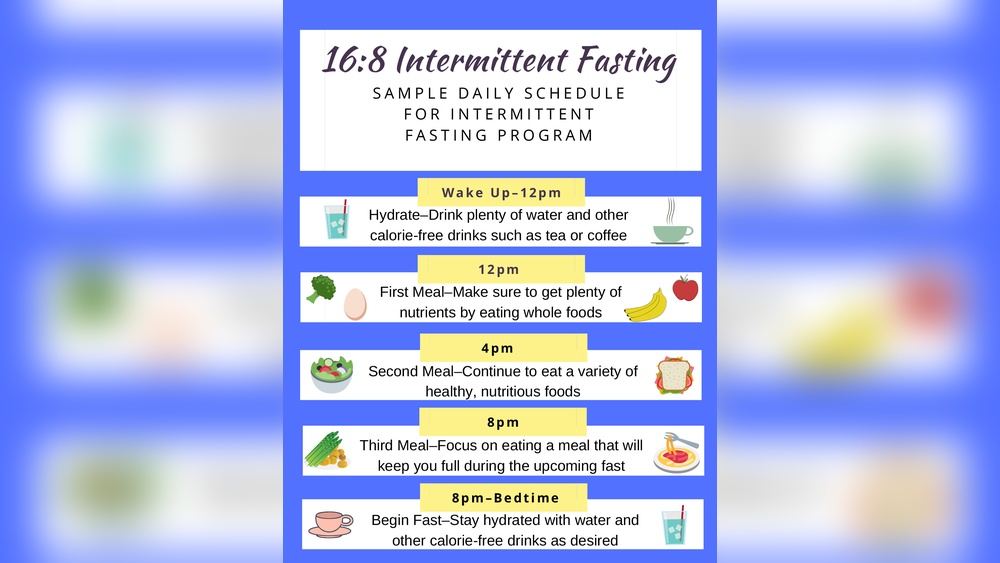
The 16/8 method is most popular. People like it because it fits daily life. You can skip breakfast and eat from noon to night. It is easy to follow for beginners.
Benefits of Intermittent Fasting
Intermittent fasting can help your body in many ways. It may support weight control. It may improve heart health. It may also help focus better. Let us see how these benefits work.
- Helps with weight control: Fasting reduces calorie intake. Your body burns more fat.
- Improves blood sugar levels: It lowers insulin resistance. That helps manage sugar better.
- Supports brain health: Fasting may improve memory and focus.
- Boosts cell repair: During fasting, your cells clean up waste. This process is called autophagy.
- May help heart health: Fasting can lower blood pressure and cholesterol.
- Can make digestion better: Your stomach gets time to rest.
These benefits are not magic. They happen slowly. You need patience and regular habit. Fasting is simple, but it works best when you stay consistent.
What You Can Eat During Eating Hours
Intermittent fasting does not limit food choices strictly. But healthy food makes it more useful. Try to eat balanced meals. Include protein, fruits, and vegetables. Drink water often. Avoid junk food and too much sugar.
| Food Type | Examples |
|---|---|
| Protein | Eggs, chicken, fish, beans |
| Fruits | Apples, bananas, berries, oranges |
| Vegetables | Spinach, carrots, broccoli, peas |
| Whole grains | Brown rice, oats, whole wheat bread |
| Healthy fats | Avocado, nuts, olive oil |
Water is very important during fasting. Drink enough water all day. You can also drink black coffee or tea. But avoid adding sugar or milk. Those can break your fast.
What Happens During Fasting
When you fast, your body starts using fat stores. It also changes how hormones work. Insulin drops. Growth hormone increases. The body starts cleaning old cells. This helps make new healthy cells.
At first, fasting may feel hard. You may feel hungry or tired. But after some days, your body adjusts. Energy levels become stable. Many people say they feel light and active.
Who Should Be Careful With Fasting
Intermittent fasting is not for everyone. Some people should be careful. Children, pregnant women, or people with health problems must talk to a doctor first. People with diabetes should not start fasting without advice. Always check before changing eating habits.
Tips for Starting Intermittent Fasting
Starting something new can be tough. But small steps make it easy. Follow these simple tips when you start.
- Begin with shorter fasting hours.
- Drink water often.
- Eat healthy food during eating time.
- Do not eat too much after fasting.
- Sleep well every night.
- Stay calm and patient.
- Listen to your body.
These small habits help you build a routine. Over time, fasting becomes part of daily life. You will learn when your body feels best.
Common Challenges During Fasting
Many people face small issues at first. Hunger is the most common one. It happens because your body is used to regular meals. You may also feel low energy or headaches. But these issues go away after a few days.
Try drinking more water. That helps reduce hunger. You can also stay busy to keep your mind away from food. Reading, walking, or light work can help. Remember, fasting is about balance. Do not push too hard.

Credit: www.health.harvard.edu
Does Intermittent Fasting Work For Everyone?
Not always. Some people see quick results. Some need more time. Fasting works differently for each body. It depends on age, lifestyle, and food habits. But most people find some benefits after few weeks.
Even if weight loss is slow, other benefits may appear. Better focus. Better sleep. Better digestion. These are signs your body is adjusting well.
Intermittent Fasting and Exercise
Many wonder if they can exercise while fasting. Yes, it is possible. Light exercise works well. Walking, yoga, or stretching are good choices. Heavy workouts may be hard without food. So start small and see how you feel.
After fasting, eat protein to help muscles recover. Your body needs energy after workouts. Balanced food helps maintain strength.
Long Term View of Fasting
Fasting is not a quick fix. It is a lifestyle choice. You can follow it for long time safely. But remember to stay flexible. Some days you may need to eat earlier. That is fine. Balance matters more than perfection.
Many people combine fasting with healthy living. Regular sleep, good food, and exercise make it better. The goal is not to eat less. The goal is to eat wisely.
Intermittent Fasting Around the World
People from many cultures practice fasting. In some religions, fasting is part of tradition. Muslims fast during Ramadan. Christians fast during Lent. Hindus also fast on special days. So fasting is not new. It has deep roots in human life.
Modern science now studies it more. Many reports show how fasting helps health. This makes more people try it today.
Simple Daily Fasting Plan Example
Let us see a simple daily plan for beginners. It helps you understand timing.
| Time | Activity |
|---|---|
| 7:00 AM | Wake up and drink water |
| 8:00 AM | Black coffee or tea (no sugar) |
| 12:00 PM | Start eating window with lunch |
| 4:00 PM | Snack with fruits or nuts |
| 7:30 PM | Dinner with vegetables and protein |
| 8:00 PM | Finish eating window and start fasting |
This plan follows the 16/8 method. You fast from 8 PM to 12 PM next day. It fits many people’s schedules easily.
Final Thoughts
Intermittent fasting is a simple way to care for your body. It teaches discipline and balance. It helps you eat with purpose. It may improve health slowly but surely.
Start with small steps. Learn how your body reacts. Drink water. Eat real food. Sleep well. With time, you will find your rhythm.
Fasting is not about strict rules. It is about listening to yourself. It can be a calm, mindful way to eat. Try it with care and patience. The results will speak for themselves.
Frequently Asked Questions
What Is Intermittent Fasting In Simple Words?
Intermittent fasting means eating only during certain hours and fasting the rest of the time. It helps control food intake.
How Does Intermittent Fasting Help In Weight Loss?
It reduces calorie intake and boosts fat burning. The body uses stored fat for energy during fasting hours.
Can I Drink Water While Fasting?
Yes, water is allowed. Staying hydrated supports metabolism and reduces hunger during fasting periods.
What Are The Popular Types Of Intermittent Fasting?
Common types include 16:8, 5:2, and eat-stop-eat. Each method varies in fasting and eating time frames.