
The Keto diet is one of the most talked-about eating plans today. Many people follow it to lose weight and feel better. But what really is the Keto diet? Let’s explore it in simple words.
What Is The Keto Diet?
The word “Keto” comes from “Ketogenic.” It means your body makes something called ketones. Ketones are small fuel molecules. They help give energy when you eat very few carbs. The Keto diet focuses on eating more fats and fewer carbohydrates. It also includes a moderate amount of protein.
Usually, people eat many carbs every day. Bread, rice, sugar, and fruits have carbs. When you eat carbs, your body uses them as the main source of energy. But in Keto, the body works differently. It starts using fat as fuel instead of carbs.
How Does The Keto Diet Work?
Let’s see how it works step by step. When you reduce carbs, your body has less sugar. The sugar in your blood drops. Then the body looks for another energy source. It finds fat. The liver changes fat into ketones. These ketones become the new energy for your body.
This process is called ketosis. It takes a few days to start. Some people feel tired at first. This is normal when the body is changing. Soon, most people feel more active and focused.
Why People Follow The Keto Diet?
People follow Keto for many reasons. Some want to lose weight. Some want to control blood sugar. Some want to feel less hungry. Keto may help in all these areas.
When your body burns fat for energy, you may lose weight faster. Many people notice they feel full after eating Keto meals. That helps them eat less and still feel satisfied. Keto can also help lower blood sugar levels. This may be useful for people who have diabetes.
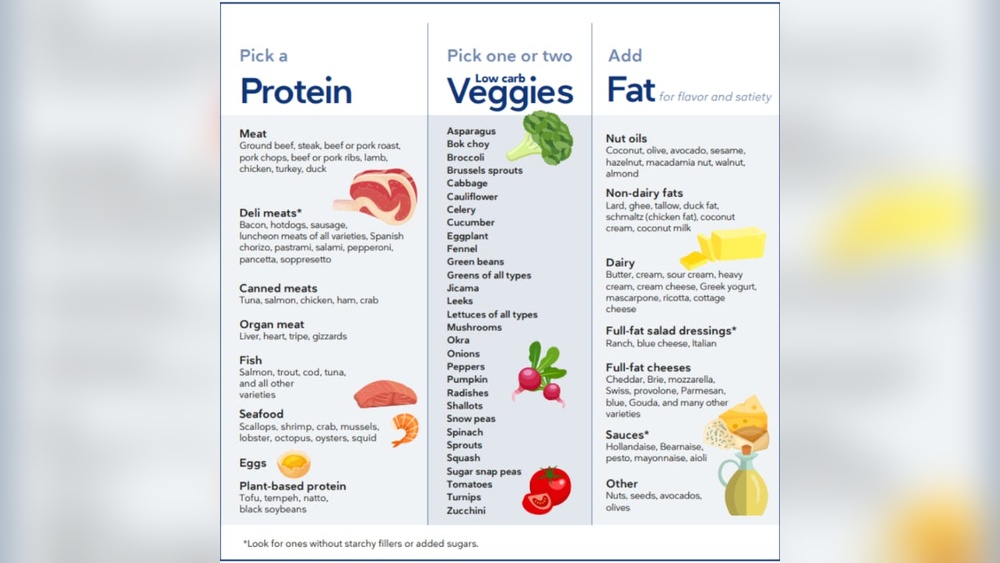
Main Foods To Eat On Keto
Here are the main foods you can eat on the Keto diet. These foods help you stay in ketosis and support your health.
| Food Type | Examples |
|---|---|
| Healthy Fats | Olive oil, butter, coconut oil, avocado |
| Proteins | Eggs, chicken, fish, beef, pork |
| Low-Carb Vegetables | Spinach, broccoli, cauliflower, zucchini |
| Nuts and Seeds | Almonds, walnuts, chia seeds, flaxseeds |
| Full-Fat Dairy | Cheese, heavy cream, Greek yogurt |
These foods are rich in nutrients and help your body stay strong. Always try to choose natural and fresh food. Avoid processed items as much as possible.
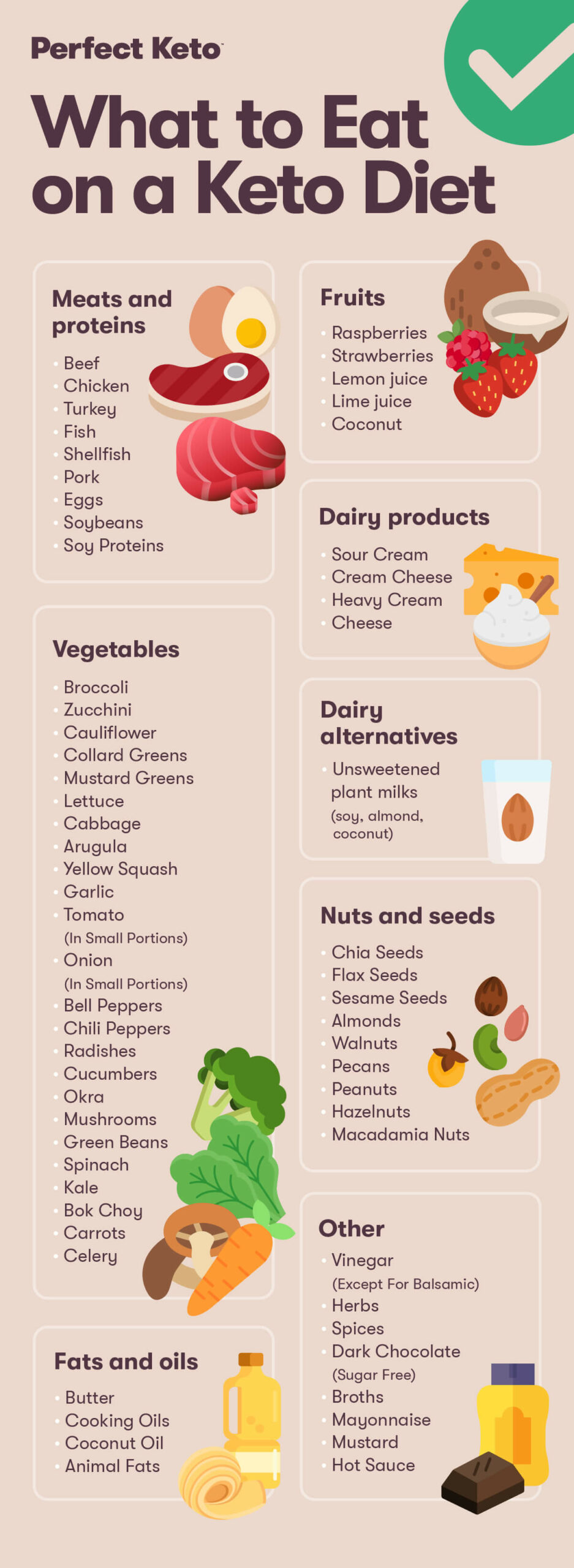
Credit: perfectketo.com
Foods To Avoid On Keto
Some foods are not allowed on Keto because they have many carbs. Eating them can stop ketosis. Here is a simple list of foods to avoid.
- Bread and pasta
- Rice and grains
- Sugar and sweets
- Fruits with high sugar like bananas and grapes
- Potatoes and corn
- Sweet drinks and soda
- Baked goods like cakes and pastries
These foods raise your blood sugar quickly. That makes it harder for your body to stay in ketosis.
Benefits Of The Keto Diet
The Keto diet may bring several health benefits. Let’s look at some of them in simple words.
- Weight Loss: The body burns fat for fuel, helping reduce weight.
- More Energy: Many people say they feel more active every day.
- Better Focus: Ketones may help your brain work better.
- Less Hunger: Fat and protein keep you full for longer.
- Stable Blood Sugar: Fewer carbs mean fewer sugar spikes.
- Improved Heart Health: Healthy fats can support heart function.
These benefits can make daily life easier and more balanced. But remember, results can be different for each person.
Possible Side Effects
Like any diet, Keto may have some side effects. Most are mild and short-term. When your body switches to ketosis, you may feel some changes.
- Headache
- Fatigue
- Dizziness
- Constipation
- Muscle cramps
- Bad breath
These feelings usually go away in a few days. Drinking water and eating enough salt can help. Always listen to your body. If you feel unwell, take a break or ask a doctor.
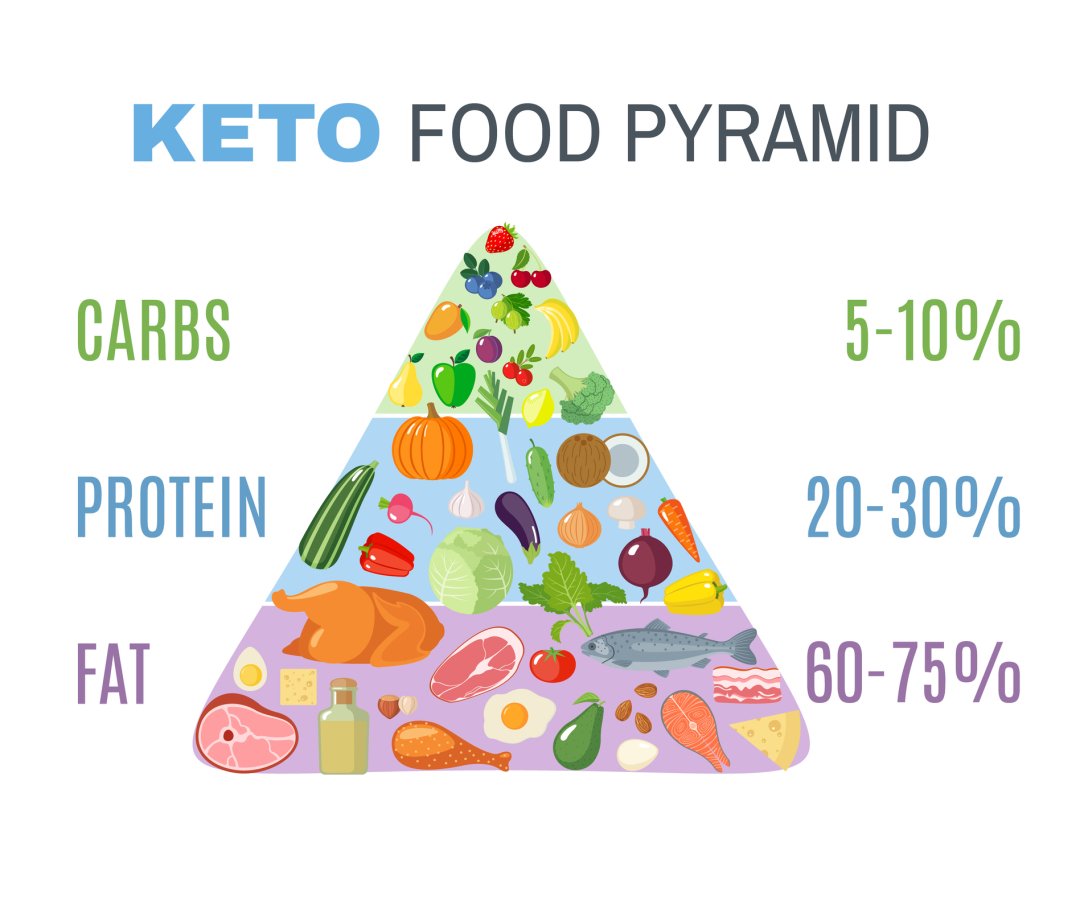
Credit: foodrevolution.org
How To Start The Keto Diet
Starting Keto is simple but needs planning. You should know what to eat and what to skip. Here are some easy steps to begin.
- Learn about low-carb foods.
- Remove sugary and starchy foods from your kitchen.
- Plan your meals for a few days.
- Drink enough water every day.
- Eat enough salt and healthy fats.
- Be patient with your body’s change.
It helps to keep a food journal. Write what you eat each day. This can help you track progress and stay motivated.
Sample Keto Meal Plan
Here is a simple meal plan example for one day.
| Meal | Food Options |
|---|---|
| Breakfast | Scrambled eggs with cheese and spinach |
| Lunch | Grilled chicken with broccoli and butter |
| Dinner | Baked salmon with zucchini and olive oil |
| Snack | Handful of almonds or boiled egg |
This plan is simple and easy to follow. You can change foods based on your taste. Just remember to keep carbs low and fats high.
Tips For Success On Keto
Here are a few tips to help you stay on track with the Keto diet.
- Drink lots of water to stay hydrated.
- Eat enough salt to prevent tiredness.
- Prepare meals ahead to avoid mistakes.
- Choose fresh vegetables for daily meals.
- Do not fear healthy fats.
- Sleep well and manage stress.
- Be patient; results take time.
Consistency is key. Keto works best when you follow it regularly. Every small step counts.
Common Mistakes To Avoid
Many beginners make simple mistakes while following the Keto diet. Knowing them can help you avoid problems.
- Eating too much protein
- Not drinking enough water
- Ignoring salt intake
- Eating hidden carbs in sauces
- Skipping meals
- Expecting quick results
Balance is important. Keto is not about eating only fat. It’s about eating smart and keeping your body in ketosis.
Who Should Be Careful With Keto?
Some people should be careful before starting Keto. Pregnant women or people with medical conditions should talk to a doctor first. If you take medicine for diabetes or heart disease, do not start without advice. Keto changes how your body uses energy. It can affect medicine levels in your body.
Children or older adults should follow it under guidance. Safety always comes first.
Long-Term Thoughts About Keto
Keto can be followed for short or long periods. Some people use it for months. Some use it as a lifestyle. Long-term Keto may help control weight and improve focus. But balance is important. Eating a variety of foods helps your body stay strong.
After some months, you can slowly add more carbs. This helps your body adjust and keeps you flexible with food choices.
Simple Summary
The Keto diet is a low-carb, high-fat eating plan. It helps your body burn fat instead of sugar. Many people follow it to lose weight and feel better. It includes foods like eggs, meat, cheese, and vegetables. You should avoid bread, rice, and sweets.
Keto may help you feel full and focused. It can support your health when followed carefully. Always remember to eat natural foods and drink enough water.
Final Words
The Keto diet is simple to understand. It changes how your body makes energy. It may help with weight, focus, and sugar control. But it needs patience and care. Always start slow. Learn what your body likes. Eat real food. Stay positive. That’s how you can enjoy Keto safely and happily.
Frequently Asked Questions
What Foods Should I Avoid On A Keto Diet?
Avoid high-carb foods like bread, pasta, rice, and sugary snacks. These foods quickly raise blood sugar and block ketosis. Limit fruits like bananas and apples since they contain over 20 grams of carbs per serving. Also skip starchy vegetables such as potatoes and corn.
Always read nutrition labels and aim for fewer than 20 to 50 grams of net carbs daily.
How Long Does It Take To Enter Ketosis?
Most people enter ketosis within 2 to 4 days. The exact time depends on your daily carb intake, activity level, and metabolism. Eating fewer than 20 grams of carbs per day helps speed up the process. Exercise and drinking plenty of water can also support faster ketone production.
Use ketone test strips to confirm when your body is in ketosis.
What Are Common Keto Side Effects In The First Week?
Fatigue, headache, and nausea are common early keto side effects. These symptoms often appear as your body adjusts to burning fat instead of carbs. Drink more water and add electrolytes like sodium, potassium, and magnesium to reduce discomfort. Most people feel better after 3 to 5 days once their body adapts to ketosis.
How Does Keto Compare To Low-carb Diets?
The keto diet restricts carbs more strictly than standard low-carb diets. Keto keeps carbs under 50 grams per day, while low-carb plans may allow up to 100 grams. This deeper carb restriction forces your body to produce ketones for energy.
Both diets can promote weight loss, but keto triggers faster fat burning and improved mental focus.