
Have you ever noticed how a good night’s sleep can completely change your day? Sleeping well is not just about feeling rested—it shapes your health, mood, and even how well you think.
If you often find yourself tired, stressed, or unfocused, the root cause might be your sleep. You’ll discover why sleep matters more than you think and how improving it can boost your energy, sharpen your mind, and protect your body.
Keep reading, because what you learn here could change the way you live every day.
Benefits Of Quality Sleep
Quality sleep plays a key role in keeping your body and mind healthy. It helps you feel rested and ready for the day. Good sleep improves many parts of your life. Below, we explore some important benefits of quality sleep.
Enhancing Physical Health
Sleep supports muscle repair and growth. It lowers the risk of heart disease and diabetes. Your body uses sleep to balance hormones. Good sleep helps maintain a healthy weight. It also reduces inflammation and speeds up healing.
Improving Mental Clarity
Sleep clears your mind and sharpens focus. It improves memory and learning skills. Lack of sleep can cause confusion and slow thinking. A rested brain handles stress better. Sleep boosts creativity and problem-solving abilities.
Strengthening Immune Function
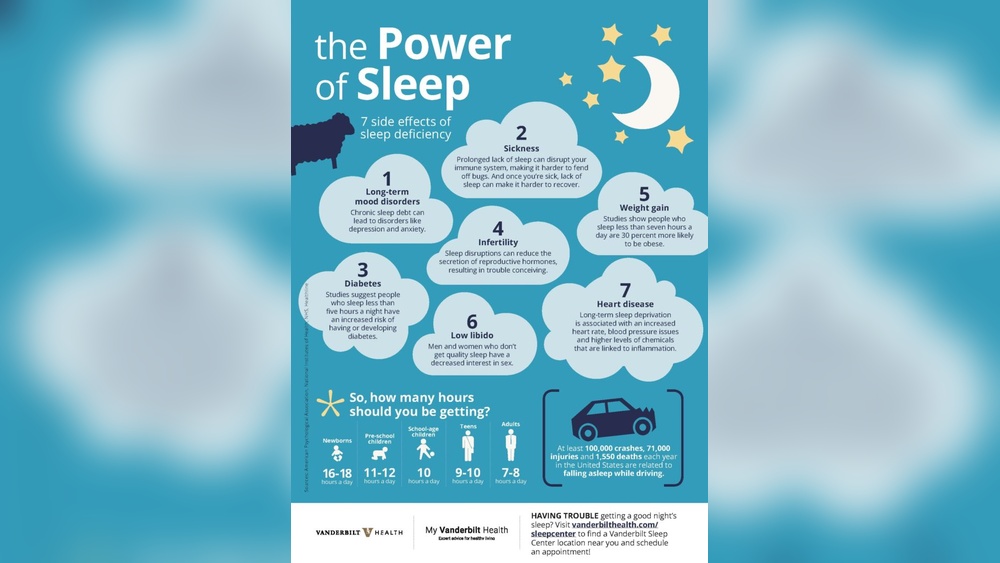
Sleep strengthens your body’s defense system. It helps fight off infections and illnesses. Poor sleep makes you more prone to sickness. During sleep, your body produces infection-fighting cells. Quality rest keeps your immune system strong.

Credit: www.wpafb.af.mil
Consequences Of Poor Sleep
Poor sleep affects many parts of your life. It harms the body and mind. Problems grow over time without good rest. Sleep is not just rest. It is vital for health and daily function.
Missing sleep leads to many health risks. It makes it harder to think clearly and control mood. The immune system weakens, causing more illness. Understanding these issues helps to value good sleep.
Increased Risk Of Chronic Illness
Not enough sleep raises chances of heart disease. It can cause high blood pressure and diabetes. The body cannot repair itself well. This leads to long-lasting health problems. Sleep is a key factor in preventing these illnesses.
Cognitive Impairment And Mood Disorders
Poor sleep reduces focus and memory. Tasks become harder and mistakes increase. Mood swings and irritability become common. Anxiety and depression risk also rise. Sleep supports brain function and emotional balance.
Weakened Immune System
Sleep loss lowers the body’s defense system. It becomes easier to catch colds and infections. Healing slows down after illness or injury. Good sleep helps the immune system fight back. Without it, the body stays vulnerable.
Factors Affecting Sleep Quality
Good sleep depends on many factors. These factors affect how deeply and how long you sleep. Understanding them helps improve sleep quality. Poor sleep can cause tiredness, mood problems, and weak immunity.
Sleep Environment
The place where you sleep matters a lot. A quiet room helps you fall asleep faster. Darkness signals your brain it is time to rest. A cool temperature keeps your body comfortable. A soft mattress and pillows support your body well.
Lifestyle Habits
Daily routines affect sleep quality. Eating heavy meals late can disturb sleep. Drinking caffeine or alcohol before bed causes restless nights. Regular exercise improves sleep but avoid intense workouts close to bedtime. Keeping a consistent sleep schedule helps your body adjust.
Stress And Anxiety
Stress and worry make it hard to relax. Racing thoughts keep your mind awake. This delays falling asleep and breaks sleep during the night. Finding ways to calm your mind improves sleep. Simple breathing exercises or quiet activities can reduce anxiety before bed.

Credit: wellnessforgreatness.org
Strategies For Better Sleep
Good sleep improves health, mood, and focus. Many people struggle to rest well. Simple strategies help improve sleep quality. These methods fit easily into daily life. They support a natural, restful sleep cycle.
Establishing A Sleep Routine
Go to bed and wake up at the same time every day. This sets your body’s internal clock. Avoid naps late in the day to keep your schedule steady. Create a calming pre-sleep routine like reading or light stretching. Consistency helps your body prepare for sleep.
Optimizing Bedroom Conditions
Keep your bedroom quiet, dark, and cool. Use blackout curtains or eye masks to block light. Remove noise or use white noise machines to mask sounds. Choose a comfortable mattress and pillows that support restful sleep. Clear clutter to make the space calming and inviting.
Mindfulness And Relaxation Techniques
Practice deep breathing or meditation before bedtime. These calm your mind and lower stress. Try gentle yoga or progressive muscle relaxation to ease tension. Avoid screens and bright lights at least an hour before sleep. Mindfulness helps you fall asleep faster and stay asleep longer.
Sleep And Vitality Connection
Sleep plays a key role in how full of energy we feel each day. It is not just rest but a vital part of staying healthy and active. Good sleep helps the body recharge, repair, and prepare for the challenges ahead. Without enough sleep, the body and mind cannot work at their best.
Boosting Energy Levels
Quality sleep restores energy needed for daily tasks. It helps the brain clear out tiredness and improves focus. People who sleep well wake up feeling refreshed and ready. Lack of sleep makes the body feel weak and slow.
Enhancing Physical Performance
Sleep supports muscle repair and growth. It improves coordination and reaction times. Athletes and active people perform better with proper rest. Poor sleep can reduce strength and increase the chance of injury.
Supporting Emotional Well-being
Good sleep helps manage stress and emotions. It supports a positive mood and reduces feelings of anger or sadness. Lack of sleep can lead to irritability and difficulty in handling problems. Restful sleep keeps the mind calm and balanced.

Credit: www.dieticianashugupta.com
Frequently Asked Questions
Why Is Sleeping Well Important For Health?
Sleeping well restores energy, boosts immunity, and improves brain function. It reduces stress and lowers risk of chronic diseases. Good sleep supports physical and mental well-being, enhancing overall quality of life.
How Does Sleep Affect Mental Health?
Adequate sleep regulates mood, reduces anxiety, and improves concentration. It helps process emotions and supports cognitive functions. Poor sleep increases risks of depression and mental disorders, impacting daily performance.
What Are The Benefits Of Good Sleep For Productivity?
Good sleep enhances focus, creativity, and decision-making skills. It improves memory retention and problem-solving abilities. Well-rested individuals perform better at work and face fewer mistakes.
How Much Sleep Do Adults Need Daily?
Adults generally need 7-9 hours of sleep each night. Consistent sleep schedules improve rest quality. Less sleep can lead to fatigue and health problems.
Conclusion
Good sleep helps your body heal and your mind stay sharp. It improves mood and keeps stress low. Sleeping well supports your heart and boosts your immune system. Your energy and focus grow with enough rest. Small changes to your routine can make a big difference.
Choose healthy habits to enjoy better sleep every night. Sleep is not a luxury but a vital part of life. Prioritize rest to live healthier and feel your best.