
Are you ready to master Python in 2025? Whether you’re starting from scratch or looking to sharpen your skills, this guide is made just for you.
Learning Python doesn’t have to be confusing or overwhelming. In fact, with the right steps, you can make steady progress fast. Imagine building cool projects, landing better jobs, or automating your daily tasks—all by knowing Python. Stick with me, and you’ll discover clear, simple ways to learn Python effectively this year.
Let’s dive in and unlock your potential together!
Why Learn Python In 2025
Python remains one of the most popular programming languages in 2025. Its simplicity and versatility attract beginners and experts alike. Many industries use Python for different tasks. Learning Python opens many doors in technology and data fields. The demand for Python skills continues to grow every year.
Easy To Learn And Use
Python has a clear and simple syntax. It reads almost like English. This makes it perfect for beginners. You can write code fast and see results quickly. It helps you focus on solving problems, not syntax.
Wide Range Of Applications
Python works well in many areas. Web development, data science, artificial intelligence, automation, and more. Many companies use Python to build software and analyze data. Learning Python lets you try different fields with one language.
Strong Community Support
Python has a large and active community. You can find many tutorials and forums online. People share code, help beginners, and build tools. This support makes learning easier and more fun.
High Demand In Job Market
Many companies seek Python developers in 2025. Jobs in tech, finance, healthcare, and education need Python skills. Learning Python increases your chances of getting good jobs. It also helps you earn better salaries.
Constant Growth And Updates
Python keeps evolving with new features. The language adapts to modern needs and trends. Staying updated means your skills stay relevant. Learning Python now prepares you for future technology changes.
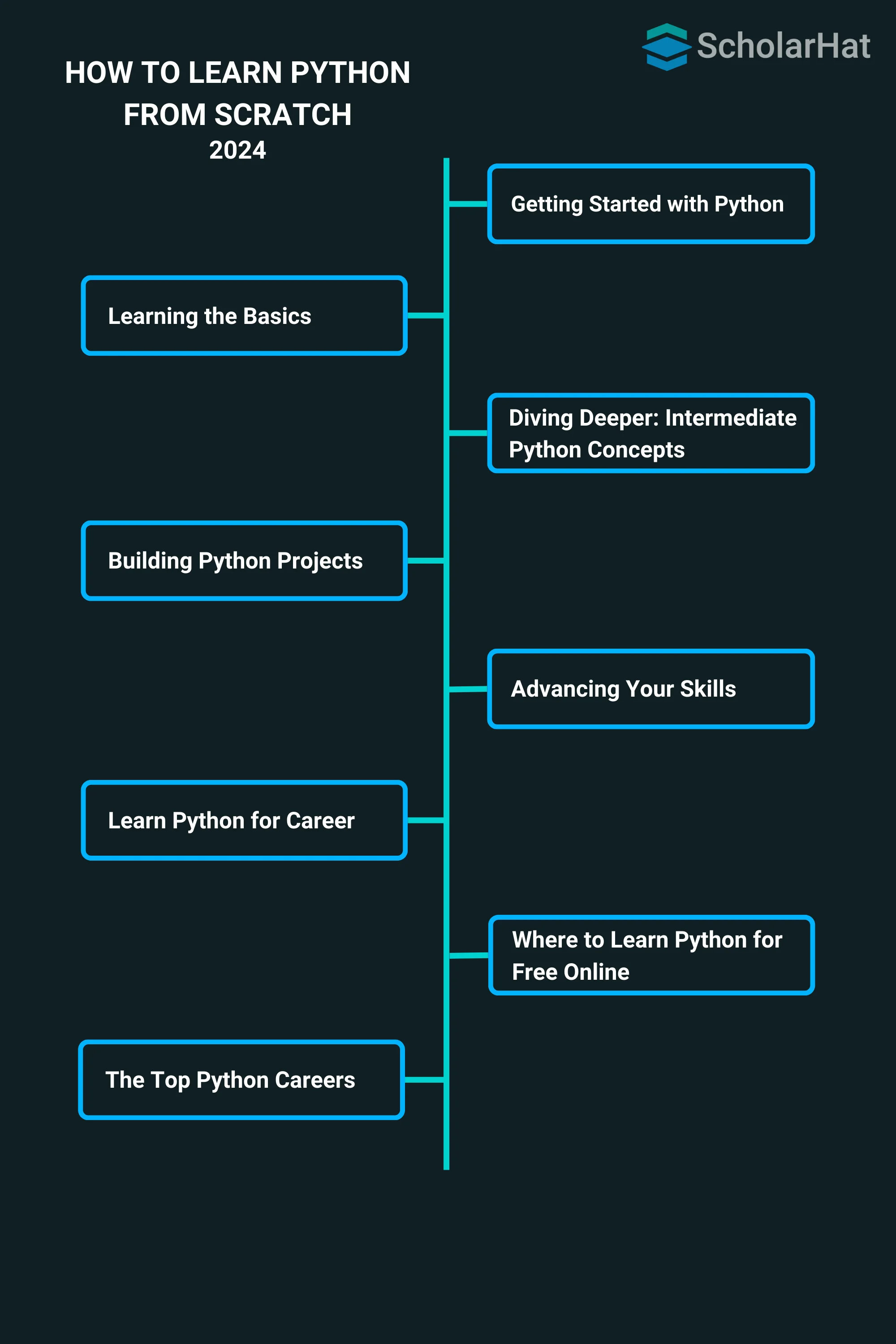
Credit: www.scholarhat.com
Choosing The Right Learning Path
Choosing the right learning path is key to learning Python in 2025. Everyone has different needs and styles. Some prefer to learn alone, while others like guided lessons. Picking the right method saves time and keeps motivation high.
Understanding your goals helps you decide the best path. Think about your schedule, budget, and how you learn best. This guide explains common options to help you choose confidently.
Self-study Vs. Structured Courses
Self-study lets you learn at your own speed. You choose topics and tools. This suits people who enjoy freedom and can stay disciplined. It costs less or nothing at all.
Structured courses provide clear steps and deadlines. They often include videos, quizzes, and teacher support. This method helps those who need guidance and regular feedback.
Both paths work well. The choice depends on your learning habits and needs.
Online Resources And Platforms
Many websites and platforms offer Python lessons. Some are free, some paid. Popular sites include Codecademy, Coursera, and Udemy.
These platforms use videos, exercises, and projects to teach. They let you practice coding in real time. Some offer certificates after completion.
Choosing a platform that matches your style is important. Check reviews and try free trials before deciding.
Books And Tutorials
Books remain a strong option for learning Python. They explain concepts in detail and provide examples.
Look for beginner-friendly books with simple language. “Automate the Boring Stuff with Python” is a popular choice.
Tutorials online also offer step-by-step guides. They are great for quick learning and specific topics.
Using books and tutorials together can boost understanding and practice.
Essential Python Concepts For Beginners
Starting Python in 2025 means learning key ideas first. These ideas build the base for writing clear, working code. Beginners should know simple rules and common tools. This helps in making programs step by step. The following sections explain the main Python topics to start with.
Syntax And Basic Commands
Python syntax means the rules for writing code. Code must follow these rules to run right. Commands like print() show text on screen. Indentation is important in Python. It shows which code belongs together. Simple commands help beginners see how Python works fast.
Data Types And Variables
Data types tell what kind of data you use. Numbers, text, and true/false values are common types. Variables hold data and give it a name. You can change data in variables while running code. Knowing data types helps avoid errors in programs.
Control Flow And Loops
Control flow guides the program’s decisions and actions. If statements run code only when a condition is true. Loops repeat actions many times without writing code again. These tools let programs handle many tasks smartly. Beginners learn to control the path of their code.
Functions And Modules
Functions are blocks of reusable code. They make programs shorter and easier to read. Modules are collections of functions and tools. You can add modules to your code for new features. Using functions and modules helps beginners write cleaner programs.
Hands-on Practice And Projects
Hands-on practice and projects form the core of learning Python in 2025. Writing code regularly helps turn theory into real skills. Projects build confidence and deepen understanding of concepts. Practical experience is essential to become comfortable with Python’s syntax and libraries.
Practice lets you solve problems and create useful programs. It trains your mind to think like a programmer. Doing projects also prepares you for job tasks or freelance work. Start small and grow your skills step by step.
Simple Projects To Start
Begin with easy projects that match your current skill level. Try a calculator, a to-do list app, or a basic quiz game. These projects teach you how to use variables, loops, and functions. They also show you how to handle user input and display results.
Simple projects keep you motivated. They offer clear goals and quick wins. Completing them builds your coding habits and problem-solving skills.
Using Interactive Coding Platforms
Interactive platforms offer guided lessons and real-time coding practice. Websites like Codecademy, LeetCode, and Replit let you write and test Python code online. They provide instant feedback to correct mistakes.
This hands-on approach helps you learn faster. It breaks down complex topics into manageable exercises. You can practice anytime, anywhere, using just a web browser.
Building A Portfolio
A portfolio showcases your projects and coding abilities to employers or clients. Collect your best work in one place, like GitHub or a personal website. Include project descriptions, code samples, and screenshots.
Portfolios prove your skills beyond a resume. They demonstrate your progress and commitment to learning. A strong portfolio increases your chances of getting interviews or freelance jobs.
Utilizing Python Libraries And Frameworks
Python libraries and frameworks make coding easier and faster. They provide ready-made tools for many tasks. Using them lets you focus on solving problems, not writing basic code. Beginners and experts both benefit from these resources.
Popular Libraries For Beginners
Some libraries are simple and helpful for new learners. NumPy helps with math and numbers. Pandas organizes data in tables. Matplotlib creates graphs and charts. These libraries support learning by doing real projects.
For web tasks, Requests makes accessing websites easy. BeautifulSoup helps read web pages. These tools teach useful skills beyond basic programming.
Introduction To Frameworks
Frameworks are larger tools that help build complete projects. They provide a structure to organize code. Django and Flask are popular for web development. These frameworks manage the background work.
They save time by handling security, databases, and routing. Beginners can build websites with less code. Frameworks guide your project from start to finish.
When To Use Libraries
Use libraries for specific tasks like math, data, or web scraping. They add features without extra coding. Use them to learn how to solve small problems.
Libraries are best for adding tools to your project. Frameworks work better for building whole applications. Choosing the right tool helps your code stay clean and simple.
Joining The Python Community
Joining the Python community helps you learn faster. It connects you with people who share your interest. You get support, advice, and new ideas. Being part of a group makes learning Python more fun and less lonely.
Forums And Discussion Groups
Online forums are great places to ask questions and share tips. Sites like Reddit’s r/Python and Stack Overflow have many active users. You can find answers to common problems quickly. Reading other people’s questions helps you learn new concepts.
Local Meetups And Workshops
Local meetups bring Python learners together in person. Workshops teach specific skills through hands-on practice. Meeting people face-to-face builds stronger connections. These events often have talks from experienced programmers. They create a friendly space to practice and grow.
Contributing To Open Source
Open source projects let you work on real Python code. You can fix bugs, add features, or improve documentation. This experience improves your skills and builds your portfolio. Collaborating with others teaches teamwork and coding best practices. Even small contributions make a big difference.
Overcoming Common Challenges
Learning Python in 2025 can bring many challenges. These problems can slow down progress or cause frustration. Knowing how to face these issues helps keep learning on track. Here are some ways to handle common challenges in Python learning.
Debugging Techniques
Errors in code are normal. Debugging helps find and fix these errors. Start by reading error messages carefully. They often show where the problem is.
Use print statements to check values in your code. This shows what the program does step by step. Tools like Python’s built-in debugger (pdb) can pause your program and check variables.
Try to understand the logic instead of guessing. Small mistakes like missing a colon or wrong indentation cause errors. Fix these first before moving on.
Staying Motivated
Learning a new skill takes time. It is easy to lose interest or feel stuck. Set small goals to celebrate progress. Every step forward counts.
Join groups or forums where others learn Python. Sharing problems and successes boosts motivation. Take breaks when tired. Fresh minds learn better.
Remember why you started learning. Keep your goals clear and simple. This helps keep focus and energy high.
Managing Learning Time
Time can be a big challenge. Plan short, regular sessions instead of long, rare ones. Consistency beats long hours once in a while.
Use tools like calendars or apps to block study time. Treat these sessions like appointments you cannot miss. Balance Python with other activities to avoid burnout.
Focus on one topic at a time. Trying to learn too many things confuses the brain. Step by step learning builds strong skills.

Credit: mimo.org
Next Steps After Learning Basics
After learning the basics of Python, the journey does not stop. The next steps help you build stronger skills. You dive deeper into Python’s powerful features. This stage prepares you for real-world projects and job opportunities.
Focus on expanding your knowledge. Practice coding often. Challenge yourself with new problems. This approach makes learning active and effective.
Advanced Topics To Explore
Explore object-oriented programming to write clean and reusable code. Study data structures like lists, dictionaries, and sets. Learn about modules and packages to organize your projects better. Try working with APIs to connect your code with other software. Discover libraries like NumPy and pandas for data handling. Experiment with web frameworks such as Flask or Django to build websites. Understanding these topics will improve your coding skills and open new paths.
Preparing For Python Certifications
Certifications prove your Python knowledge to employers. Start with entry-level certificates like PCEP or PCAP. Use practice tests to check your readiness. Study official guides and online courses tailored for exams. Focus on coding exercises and problem-solving skills. Certification can boost your confidence and job prospects. It also helps you stand out in a competitive job market.
Career Opportunities With Python
Python skills open doors to many jobs. You can work in web development, data analysis, automation, or machine learning. Companies in tech, finance, healthcare, and education use Python. Roles include software developer, data scientist, and system administrator. Building a portfolio with projects shows your ability to employers. Keep learning and applying your skills to grow your career steadily.
Credit: www.dataquest.io
Frequently Asked Questions
What Are The Best Resources To Learn Python In 2025?
Top resources include interactive platforms like Codecademy, Coursera, and freeCodeCamp. Books like “Automate the Boring Stuff” also help. Use updated tutorials and join Python communities for support and practice.
How Long Does It Take To Learn Python Effectively?
Learning Python basics can take 6-8 weeks with consistent daily practice. Mastery depends on your goals, but practical projects speed up understanding and retention. Regular coding improves skills over time.
Is Python Suitable For Beginners In Programming?
Yes, Python is beginner-friendly due to its simple syntax and readability. It’s widely used in education and industry, making it a great starting language for new programmers.
What Python Projects Are Ideal For Beginners In 2025?
Start with projects like calculators, to-do apps, or web scrapers. These build essential skills and practical experience. Gradually try data analysis or simple games to enhance learning.
Conclusion
Learning Python in 2025 is simpler than ever. Start with small steps and practice daily. Use free resources and join online communities. Solve real problems to build your skills. Stay patient and keep your goals clear. Everyone can learn Python with time and effort.
Keep coding, and enjoy the process. The journey is just as important as the result.