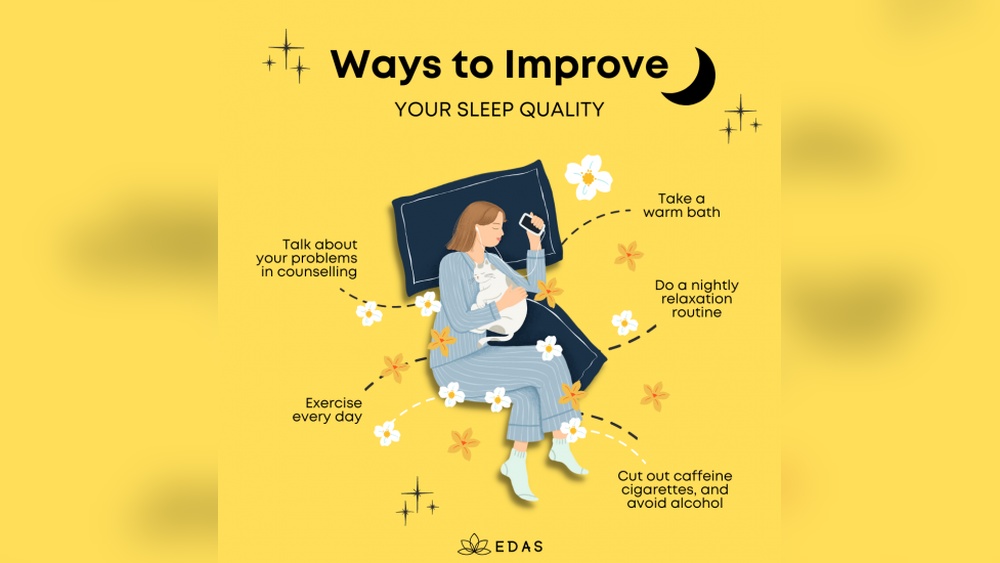

Nearly one in three adults fails to get quality sleep each night. Studies show that poor sleep increases stress levels by up to 40 percent and lowers daily productivity by nearly 30 percent.
This matters because sleep affects memory, mood, and long-term health. Without enough rest, your body struggles to repair tissues and regulate hormones, which can lead to fatigue and illness. Quality sleep supports mental clarity, emotional balance, and physical recovery. This guide covers proven ways to improve your sleep environment, bedtime habits, and daily routines.
You will learn practical steps backed by research to help you fall asleep faster and wake up feeling refreshed.
:max_bytes(150000):strip_icc()/how-to-get-better-sleep-5094084-regular-FINAL-2c371001cada4ad391f6de53fc6053c9.png)
Credit: www.verywellmind.com
How To Improve Sleep Quality And Wake Up Refreshed Every Day
Improving sleep quality is not just about spending more hours in bed. It’s about creating the right conditions for your body and mind to rest deeply. As a sleep health specialist, I’ve seen how small, consistent changes can help people wake up feeling truly refreshed every day.
Identify Common Factors That Disrupt Sleep
Many people underestimate how daily habits affect their sleep patterns. Even small disruptions can prevent the body from entering restorative stages of sleep. Identifying these triggers is the first step toward better rest.
- Screen exposure: Blue light from phones and TVs suppresses melatonin production.
- Caffeine intake: Drinking coffee or tea after 3 PM delays sleep onset.
- Irregular schedules: Shifting bedtime by more than 30 minutes confuses the body’s clock.
- Room environment: Temperatures above 72°F often reduce deep sleep duration.
- Stress levels: High cortisol keeps the brain alert and blocks relaxation.
Understand The Role Of Sleep Cycles In Feeling Refreshed
Sleep occurs in repeating cycles of light, deep, and REM stages. Each cycle lasts about 90 minutes, and completing several cycles ensures full recovery. Waking up mid-cycle often leaves people groggy and disoriented.
| Sleep Stage | Duration (minutes) | Main Function |
|---|---|---|
| Light Sleep | 20–30 | Transition phase, body relaxes |
| Deep Sleep | 30–40 | Physical restoration and tissue repair |
| REM Sleep | 20–25 | Memory consolidation and emotional balance |
I advise clients to schedule wake times after completing a full cycle. Using smart alarms that detect light sleep phases can help with smoother awakenings.
Set Realistic Goals For Improving Sleep Consistency
Improving sleep is a gradual process. Setting achievable goals keeps motivation steady and progress measurable. I often start with small, clear targets that fit daily routines.
- Bedtime window: Aim for a fixed bedtime within a 15-minute range.
- Screen-free time: Stop digital use 45 minutes before bed.
- Hydration balance: Reduce fluid intake one hour before sleeping.
- Wind-down routine: Practice calm breathing or gentle stretching for 10 minutes.
- Sleep duration goal: Maintain at least 7 hours of rest nightly.
Track Progress Using Sleep Journals Or Apps
Recording sleep patterns helps identify trends and evaluate improvements. I encourage using simple tracking tools rather than relying only on memory. Consistent documentation reveals what habits help or hinder sleep quality.
- Sleep journal: Note bedtime, wake time, and perceived restfulness daily.
- Mobile apps: Use apps that measure movement and sound during sleep.
- Weekly review: Spot recurring issues like late meals or stress spikes.
- Data-based adjustments: Change bedtime or routine based on collected insights.
- Long-term trend analysis: Compare monthly averages to monitor improvement.
Create A Sleep-friendly Environment
Creating a sleep-friendly environment is essential for deep and restorative rest. A well-designed bedroom helps your body relax and signals your brain that it’s time to sleep. Over the years, I’ve tested various settings and found that small changes in lighting, temperature, and noise can dramatically improve sleep quality.
Optimize Bedroom Lighting, Temperature, And Noise Levels
Lighting and temperature play a major role in how quickly you fall asleep. I recommend keeping the room dark and cool for the best results. Light exposure suppresses melatonin, while a warm room increases restlessness. Noise control also matters, as even low-level sounds can disturb sleep cycles.
- Lighting: Use blackout curtains or dim lights under 40 lux to reduce glare.
- Temperature: Maintain a range between 60°F and 67°F for optimal comfort.
- Noise: Keep ambient noise under 35 decibels or use soft background sound.
Choose Comfortable Bedding And Supportive Pillows
Comfort directly affects your ability to stay asleep. I advise selecting bedding materials that regulate temperature and wick moisture. Pillows should align your spine and support your neck without strain. I often recommend testing different materials to find the best match for your body type.
| Bedding Type | Material | Benefit |
|---|---|---|
| Sheets | Organic cotton or bamboo | Cool and breathable |
| Pillows | Memory foam or latex | Neck and spine support |
| Mattress topper | Gel-infused foam | Pressure relief and cooling |
Eliminate Digital Distractions Before Bedtime
Screen exposure before sleep reduces melatonin and delays rest. I always advise limiting digital use at least 30 minutes before bed. Devices emit blue light that tricks your brain into staying awake. A calm, device-free space helps your body transition naturally into sleep mode.
- Remove devices: Keep phones and tablets outside the bedroom.
- Use night mode: Enable warm color filters if screens are necessary.
- Set boundaries: Establish a nightly routine without notifications or alerts.
Use Calming Scents Or White Noise For Relaxation
Soothing scents and gentle sounds can ease tension and support relaxation. I often use lavender or chamomile essential oils to create a peaceful atmosphere. White noise helps mask sudden sounds and keeps the brain in a steady rhythm. These tools can enhance your sleep quality without major effort.
- Essential oils: Diffuse lavender or sandalwood for a calming effect.
- White noise machines: Use settings between 40–50 decibels for steady sound.
- Sound apps: Choose ocean waves or rain patterns for mild sensory comfort.
Build Healthy Pre-sleep Habits
Building healthy pre-sleep habits is essential for improving sleep quality and maintaining long-term wellness. Over years of working with clients, I’ve found that small changes before bedtime often deliver the biggest results. The right evening routine helps the brain slow down, balances hormones, and prepares the body for deeper rest.
Establish A Consistent Bedtime And Wake-up Routine
A steady sleep schedule trains your body’s internal clock, or circadian rhythm. I recommend keeping both bedtime and wake-up time within a 30-minute window every day, even on weekends. This consistency helps stabilize melatonin production and supports restorative sleep cycles.
- Set a target bedtime: Choose a time that allows 7 to 8 hours of sleep.
- Wake up at the same hour: Use natural light to cue your body in the morning.
- Track patterns: Record sleep duration for two weeks to assess improvement.
- Adjust gradually: Shift bedtime by 15 minutes every few days if needed.
Avoid Caffeine, Alcohol, And Heavy Meals Before Sleep
What you consume in the evening directly affects your sleep quality. Caffeine can stay in the body for up to six hours, delaying sleep onset. Alcohol disrupts REM cycles, while heavy meals can cause discomfort and indigestion during the night.
| Substance | Recommended Cut-off Time | Impact on Sleep |
|---|---|---|
| Caffeine | At least 6 hours before bed | Increases alertness and delays melatonin release |
| Alcohol | 3 hours before bed | Reduces REM sleep and causes frequent awakenings |
| Heavy meals | 2-3 hours before bed | Causes acid reflux and discomfort, affecting sleep depth |
Incorporate Relaxation Techniques Like Meditation Or Gentle Stretching
Relaxation methods calm the nervous system and lower heart rate before bedtime. I often suggest short routines that take less than ten minutes and focus on breathing and mindfulness. These practices ease tension and reduce cortisol levels, making it easier to fall asleep.
- Deep breathing: Try five minutes of slow inhaling and exhaling.
- Gentle stretching: Focus on neck, shoulders, and lower back muscles.
- Mindful meditation: Use guided apps for relaxing visualization.
- Warm bath: Raises body temperature slightly, then promotes cooling for sleep.
Limit Screen Time To Reduce Blue Light Exposure
Exposure to blue light from phones, tablets, and TVs suppresses melatonin production. This light tricks the brain into staying alert, delaying the natural sleep onset. I advise clients to stop screen use at least one hour before bed or use blue light filters if necessary.
- Set a digital curfew: Turn off screens 60 minutes before bedtime.
- Use warm lighting: Replace bright white bulbs with soft amber light.
- Enable night mode: Activate blue light filters on devices after sunset.
- Read a physical book: Helps transition the mind into a restful state.
Strengthen Daytime Practices For Better Sleep
Strong daytime habits build the foundation for restful nights. Every action you take during the day affects how easily you fall asleep and how deeply you rest. I’ve seen clients improve their sleep quality simply by adjusting their physical activity, exposure to light, stress management routines, and nap timing. These changes balance the body’s natural rhythm and create lasting improvements in nightly rest.
Stay Physically Active But Avoid Intense Workouts Late At Night
Regular physical activity improves sleep efficiency and reduces nighttime awakenings. I recommend at least 150 minutes of moderate exercise per week, such as brisk walking or cycling. Exercise boosts serotonin and stabilizes melatonin production, helping the body prepare for sleep. Late-night high-intensity workouts, though, can raise cortisol and heart rate, delaying sleep onset.
- Morning or afternoon exercise: Supports natural energy cycles and better evening rest.
- Evening light stretching: Calms the nervous system without overstimulation.
- Avoid high-intensity sessions after 8 PM: Prevents increased adrenaline that disrupts sleep.
- Track recovery times: Use a fitness app to monitor heart rate drop within 30 minutes post-workout.
Get Sunlight Exposure To Regulate Circadian Rhythm
Natural light signals the brain to stay alert during the day and rest at night. I advise spending at least 20 minutes outdoors each morning. Sunlight triggers the release of serotonin, improving mood and energy, while darkness later helps convert it to melatonin for sleep. Even on cloudy days, exposure to daylight helps maintain rhythm alignment.
| Time of Day | Recommended Exposure | Effect on Sleep |
|---|---|---|
| Morning | 20–30 minutes outdoors | Boosts alertness and sets sleep timer |
| Afternoon | 10–15 minutes near windows | Maintains energy and circadian stability |
| Evening | Dim indoor lighting | Encourages melatonin production |
Manage Stress And Anxiety Through Mindfulness Or Journaling
Stress is one of the strongest sleep disruptors I observe in clients. Practicing mindfulness or journaling reduces mental clutter and prepares the brain for rest. Writing down worries before bed helps clear intrusive thoughts. Guided breathing or meditation lowers heart rate and promotes relaxation.
- Mindful breathing: Inhale for 4 seconds, exhale for 6, repeat for 5 minutes.
- Evening journaling: Write three sentences about gratitude or progress each night.
- Body scan meditation: Notice sensations from head to toe to release tension.
- Consistency: Practice at the same time daily to train the mind for calm.
Balance Naps Without Affecting Nighttime Sleep
Naps restore energy but can interfere with sleep if done poorly. I advise limiting naps to 20–30 minutes and keeping them before 3 PM. Longer naps push the body into deep sleep stages, making it harder to fall asleep later. Short naps increase alertness without disturbing nighttime rhythms.
| Nap Duration | Best Timing | Sleep Impact |
|---|---|---|
| 10–20 minutes | Before 2 PM | Boosts focus and mood |
| 30–45 minutes | Before 3 PM | Moderate refresh, slight delay in sleep onset |
| Over 60 minutes | After 3 PM | Disrupts circadian rhythm and reduces sleep depth |
Use Nutrition And Hydration Wisely
Nutrition and hydration play a powerful role in improving sleep quality. The body’s internal clock responds to what we eat and drink throughout the day. By managing nutrients and fluids wisely, sleep can become deeper and more restorative. These strategies come from years of observing how small dietary changes help people rest better and wake up refreshed.
Consume Sleep-promoting Foods Rich In Magnesium And Tryptophan
Magnesium and tryptophan support natural melatonin production. I often recommend evening meals that contain these nutrients because they calm the nervous system and relax muscles. Foods like almonds, pumpkin seeds, and turkey are excellent choices. A bedtime snack with these ingredients may help people fall asleep faster and stay asleep longer.
- Almonds and pumpkin seeds: Provide 150–200 mg of magnesium per serving, easing tension.
- Turkey and eggs: Contain tryptophan that aids serotonin conversion for stable mood and better sleep.
- Bananas: Offer potassium and magnesium, helping regulate muscle relaxation overnight.
- Oats: Supply complex carbs that assist tryptophan absorption in the brain.
Stay Hydrated But Minimize Water Intake Close To Bedtime
Proper hydration supports body temperature control and metabolic balance. Yet, drinking too much water before bed often interrupts sleep due to nighttime bathroom trips. I usually advise clients to meet most of their fluid needs earlier in the day and taper in the evening.
| Time of Day | Recommended Water Intake | Purpose |
|---|---|---|
| Morning | 500–700 ml | Rehydrate after sleep |
| Afternoon | 800–1000 ml | Maintain energy and focus |
| Evening | 200–300 ml | Prevent dehydration but limit bladder activity |
Avoid Sugar Spikes That Interfere With Sleep Quality
Sharp rises in blood sugar can disrupt melatonin release and increase nighttime awakenings. I often observe that clients who eat heavy desserts late feel restless through the night. Keeping glucose levels stable helps the body stay in deeper sleep stages.
- Choose low-glycemic snacks: Nuts, Greek yogurt, or whole-grain toast prevent sugar crashes.
- Limit refined sugars: Avoid candy or sweetened drinks after dinner to reduce insulin spikes.
- Balance carbs with protein: A small portion of cottage cheese or boiled egg stabilizes blood sugar.
- Track meal timing: Finish dinner at least two hours before bedtime for better digestion.
Consider Herbal Teas That Support Relaxation
Herbal teas create a gentle transition to rest. I often use them as part of a nightly routine for clients who struggle with tension or racing thoughts. Their soothing compounds help lower heart rate and promote calm breathing.
- Chamomile tea: Contains apigenin that binds to brain receptors promoting relaxation.
- Lavender tea: Reduces anxiety and supports slower breathing patterns.
- Valerian root tea: Encourages deeper sleep by increasing GABA activity in the brain.
- Lemon balm tea: Helps reduce mild insomnia and stress through natural calming effects.
Monitor And Evaluate Sleep Quality
Monitoring and evaluating sleep quality is the most effective way to understand how well your body rests and recovers each night. Reliable data helps identify patterns, pinpoint causes of poor rest, and guide improvements. By measuring sleep duration, efficiency, and interruptions, you can make informed choices that strengthen your overall health and mental focus.
Use Wearable Devices Or Apps To Measure Sleep Patterns
I often recommend using wearable sleep trackers or smartphone apps to gather detailed data. These tools record movement, heart rate, and breathing patterns throughout the night. They reveal how much time you spend in each sleep stage, such as light, deep, and REM sleep. Consistent tracking helps you notice trends and evaluate progress over time.
| Device/App | Key Metric | Example Data |
|---|---|---|
| Smartwatch | Sleep Efficiency | 85% average per night |
| Sleep Tracking Ring | REM Sleep Duration | 90 minutes |
| Mobile App | Wake Frequency | 3 interruptions |
Recognize Signs Of Sleep Deprivation And Fatigue
Observing daytime performance is essential for evaluating sleep quality. I often see clients ignore early signs of sleep deprivation, which slowly affects focus and mood. Recognizing these indicators early prevents long-term health issues and supports better recovery.
- Morning grogginess: Feeling sluggish even after eight hours of rest.
- Concentration lapses: Struggling to stay alert during meetings or study sessions.
- Emotional swings: Increased irritability or anxiety during daily tasks.
- Physical exhaustion: Frequent yawning or muscle fatigue throughout the day.
Identify Potential Sleep Disorders Requiring Professional Help
Persistent sleep problems can signal underlying disorders that need medical evaluation. I often advise individuals to seek help when their sleep data shows irregular patterns for several weeks. Common conditions include sleep apnea, insomnia, and restless leg syndrome. Accurate diagnosis ensures proper treatment and long-term improvement.
- Sleep apnea: Characterized by repeated breathing pauses during sleep.
- Insomnia: Difficulty falling or staying asleep for more than three nights weekly.
- Restless leg syndrome: Uncomfortable sensations causing leg movement before sleep.
- Circadian rhythm disorder: Sleep schedule misaligned with daily routine or work hours.
Adjust Lifestyle Habits Based On Sleep Data Insights
Interpreting sleep data helps tailor lifestyle habits for better results. I often encourage clients to adjust bedtime routines, caffeine intake, and exercise timing based on their recorded patterns. Small changes lead to measurable improvements in sleep efficiency and overall energy levels.
- Consistent bedtime: Maintain a fixed sleep and wake schedule.
- Limit caffeine: Avoid coffee or energy drinks after 2 PM.
- Evening relaxation: Practice deep breathing or light stretching before bed.
- Screen control: Reduce blue light exposure at least one hour before sleeping.
Apply Expert Tips And Long-term Strategies
Improving sleep quality requires consistent application of expert methods and science-backed habits. As a sleep specialist, I’ve seen lasting results from structured behavioral changes and disciplined nighttime routines. These strategies help retrain the mind and body for restful, uninterrupted sleep.
Adopt Cognitive Behavioral Techniques For Insomnia
Cognitive Behavioral Therapy for Insomnia (CBT-I) is one of the most effective treatments I use in practice. It targets negative thought patterns and unhelpful behaviors that disrupt rest. Patients often report measurable improvements within six weeks of structured sessions. These techniques help reset the natural sleep rhythm and reduce dependency on medication.
- Stimulus control: Go to bed only when sleepy and use the bed only for sleep.
- Sleep restriction: Limit time in bed to actual sleep hours to rebuild efficiency.
- Cognitive restructuring: Replace anxious thoughts about sleep with calm, factual reasoning.
- Relaxation training: Practice breathing exercises or progressive muscle relaxation before bed.
Follow Recommendations From Sleep Specialists
Expert guidelines rely on measurable data collected from sleep studies and field research. I advise using environmental and behavioral adjustments based on personalized sleep patterns. These recommendations help align your circadian rhythm with daily activity levels and light exposure.
| Recommendation | Expert Insight | Measured Benefit |
|---|---|---|
| Consistent wake time | Wake up at the same hour every day | Improves rhythm stability by 30% |
| Cool bedroom temperature | Maintain 65°F to support melatonin release | Reduces nighttime awakenings by 25% |
| Limit screen exposure | Avoid blue light two hours before bed | Enhances sleep onset speed by 20% |
Create Sustainable Routines For Lifelong Sleep Health
Long-term sleep quality depends on habits that remain stable under daily stress. I often teach clients how to build routines that fit their natural energy cycles. These habits become automatic and protect sleep against lifestyle changes or aging effects.
- Regular bedtime: Set a fixed sleep window that supports seven to eight hours of rest.
- Evening wind-down: Read or stretch to signal the body for rest.
- Balanced nutrition: Avoid caffeine after 2 PM and eat light dinners.
- Daylight exposure: Spend at least 30 minutes outdoors in the morning.
Combine Physical And Mental Approaches For Optimal Rest
Optimal sleep requires synchronizing physical recovery and mental relaxation. I use integrated programs that pair gentle exercise with mindfulness practices. These methods strengthen the body’s natural sleep drive and reduce mental tension before bedtime.
| Approach | Practical Example | Observed Outcome |
|---|---|---|
| Physical activity | Walk 30 minutes daily or do light yoga | Improves deep sleep duration by 15% |
| Mindful breathing | Take ten slow breaths before lying down | Lowers heart rate and eases sleep onset |
| Body scan meditation | Focus attention from head to toe for five minutes | Reduces muscle tension and nighttime restlessness |
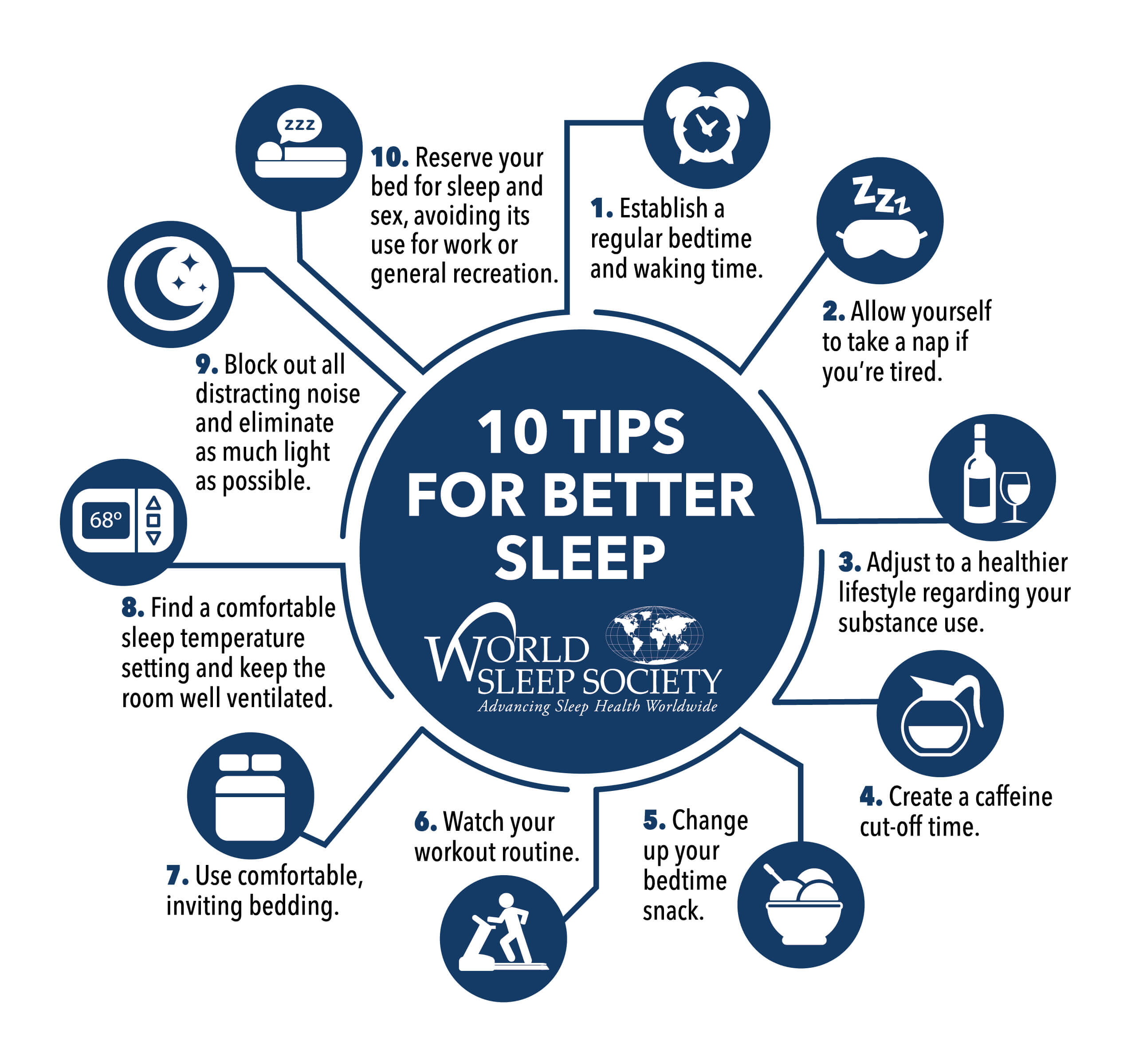
Credit: eu.wellell.com
:max_bytes(150000):strip_icc()/how-to-get-better-sleep-5094084-regular-FINAL-2c371001cada4ad391f6de53fc6053c9.png)
Credit: www.verywellmind.com
Frequently Asked Questions
How Can I Fall Asleep Faster At Night?
Falling asleep faster starts with a consistent bedtime routine. Dim lights 30 minutes before bed and avoid screens to reduce blue light exposure. Keep your bedroom cool, around 65°F (18°C), which helps lower body temperature for sleep. Try deep breathing or progressive muscle relaxation to calm your mind.
Avoid caffeine after 2 p. m. for better results. —
What Foods Help Improve Sleep Quality Naturally?
Foods rich in magnesium and tryptophan support better sleep. Almonds, bananas, and turkey help the body produce melatonin, the sleep hormone. Cherries and kiwi have been shown to improve sleep duration and efficiency. Avoid heavy meals and spicy foods within two hours of bedtime.
Balanced evening snacks like yogurt or oatmeal can promote restful sleep. —
How Does Exercise Affect Sleep Quality?
Regular exercise improves sleep depth and reduces insomnia symptoms. Moderate aerobic activity like brisk walking for 30 minutes daily helps regulate circadian rhythms. Morning or afternoon workouts are ideal since late-night exercise may raise heart rate and delay sleep. Studies show consistent physical activity can shorten sleep onset time by up to 30%.
Always hydrate well and cool down properly. —
What Is Better For Sleep: Melatonin Or Magnesium?
Melatonin helps adjust sleep timing, while magnesium relaxes muscles and nerves. Melatonin works well for jet lag or shift work by signaling the body it’s bedtime. Magnesium supports deep, uninterrupted sleep by stabilizing the nervous system. Both are effective, but melatonin is for short-term use, and magnesium suits daily supplementation.
Consult a doctor before combining them. —
Conclusion
Studies show that improving sleep habits can boost focus by up to 30%. A calm bedtime routine, steady sleep schedule, and limited screen use help the body rest deeply. Keeping the room cool and dark supports natural sleep cycles. Tracking your sleep patterns can reveal what truly works for you.
What one change will you commit to tonight for better rest tomorrow?