


What is a Reverse Osmosis Drinking Water System?
A Reverse Osmosis (RO) drinking water system is an advanced water filtration setup designed to remove impurities and contaminants from your tap water, delivering pure, clean drinking water for your family. The core function of this system is to eliminate almost every impurity present in the water, including chemicals, dirt, bad minerals, debris, and even some of the good minerals, which can be added back later if desired.
How Does a Reverse Osmosis System Work?
At the heart of the RO system is a semi-permeable membrane that filters out unwanted substances from the water. The water is pushed through this membrane under pressure, allowing only pure water molecules to pass while contaminants are flushed away to the drain. This process results in water that is significantly cleaner and safer for consumption.
Because the filtration process removes many minerals, some systems allow for remineralization, where essential minerals are added back into the purified water to improve taste and health benefits. This also helps in raising the pH level, making the water slightly alkaline, which many people prefer.
Benefits of Using a Reverse Osmosis Drinking Water System
- Comprehensive Purification : Removes chemicals, dirt, debris, bad minerals, and microplastics, providing you with high-quality drinking water.
- Environmental Impact : By using an RO system, you reduce or eliminate the need for bottled water, helping to minimize plastic waste and environmental pollution.
- Health Advantages : Drinking purified water reduces exposure to harmful contaminants and microplastics commonly found in tap and bottled water.
- Convenience : The system delivers clean water directly from your faucet, making it easy to access purified water anytime.
Installation and Maintenance
Typically, reverse osmosis systems are installed under the kitchen sink, though in some cases, they can be installed in basements if they are within 20 feet of the faucet. This proximity is important to maintain pressure and avoid the need for booster pumps. The system includes a small storage tank where purified water is held until needed, ensuring a steady flow when you open the faucet.
Maintenance is straightforward : the pre-filters and post-filters generally need to be replaced annually to maintain water quality, while the RO membrane itself can last approximately five years. Replacing these components is easy and cost-effective compared to buying bottled water or dealing with other filtration methods.
Additional Features and Support
Many modern RO systems come with helpful features such as :
- Remineralizing filters to add essential minerals back into the water
- Alkaline filters to raise the pH for better taste and health benefits
- High-quality tubing sizes for improved water flow (e.g., larger 3/8 inch tubing for faster flow)
Reliable customer service, instructional videos, and troubleshooting guides are also essential considerations to ensure ease of installation and ongoing support.
Types of Reverse Osmosis Systems : Standard vs High Efficiency
When selecting a reverse osmosis drinking water system, one of the key decisions is choosing between a standard system and a high-efficiency system. Both serve the same fundamental purpose of purifying your water but differ significantly in terms of water usage, efficiency, and performance.
Standard Reverse Osmosis Systems
Standard RO systems have been the traditional choice for many years. Their basic operation involves pushing water through the RO membrane, where contaminants are removed and flushed down the drain along with some portion of the water. This process results in a considerable amount of water being wasted.
Water Waste : Standard systems typically waste a higher volume of water—often more than the amount of purified water produced. This inefficiency raises environmental concerns and can increase water bills.
Tubing and Flow : These systems commonly use smaller quarter-inch tubing throughout, which can limit water flow, resulting in slower delivery of purified water to the faucet.
High Efficiency Reverse Osmosis Systems
High-efficiency RO systems are an improved option designed to reduce water waste and increase water output. These systems utilize better technology and design to minimize the amount of water sent to the drain.
Key Advantages of High Efficiency RO Systems
- Reduced Water Waste : High-efficiency models waste significantly less water—often around half the amount wasted by standard systems. This is better for the environment and your water bill.
- Improved Water Flow : These systems use larger 3/8 inch tubing from the storage tank to the faucet, enabling a higher flow rate and a more satisfying water delivery experience.
- Remineralization Capability : Many high-efficiency systems include options to add remineralizing filters that restore essential minerals and balance the pH of the water, making it healthier and tastier.
- Enhanced Features : Some models come with additional filtration stages, such as a sixth filter for remineralization, which are not common in standard RO systems.
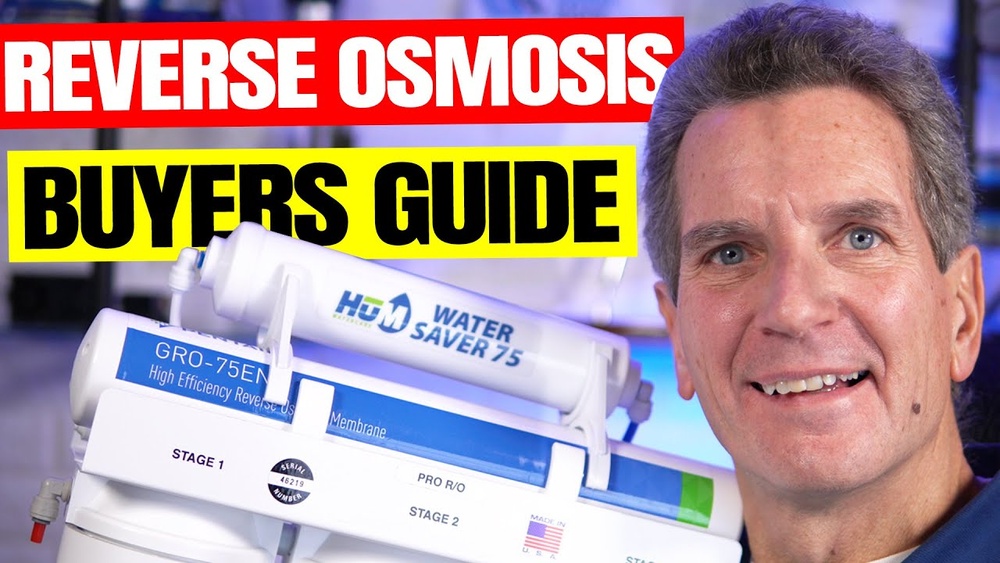
Example : The Water Saver 75 High Efficiency Reverse Osmosis System
A notable example of a high-efficiency RO system is the Water Saver 75. This model is highly regarded for its combination of water-saving technology, robust filtration, and user-friendly features.
- Wastes approximately half the water compared to standard systems
- Uses larger 3/8 inch tubing for faster flow
- Includes multiple filtration stages and optional remineralization
- Non-proprietary design, allowing easy access to replacement filters
- Made in North America, ensuring quality manufacturing and support
Choosing Between Standard and High Efficiency RO Systems
| Feature | Standard RO System | High Efficiency RO System |
|---|---|---|
| Water Waste | High – wastes more water per gallon of purified water | Low – wastes approximately half the amount compared to standard |
| Tubing Size | Quarter-inch tubing – slower flow | 3/8 inch tubing – faster flow |
| Remineralization Option | Rare or not commonly included | Often included or available as an add-on filter |
| Environmental Impact | Higher due to water waste | Lower due to reduced water waste |
| Cost of Filters | Generally lower upfront but may have proprietary filters increasing cost | Often non-proprietary filters with lower long-term costs |
Additional Considerations When Shopping for an RO System
Besides efficiency and water waste, there are other crucial factors to consider :
- Non-Proprietary Systems : Choose systems that use standard, widely available filters to avoid being locked into expensive or hard-to-find proprietary filters.
- Made in North America : Systems manufactured locally often offer better quality control and customer support.
- Support and Resources : Look for brands that provide excellent customer service, instructional videos, troubleshooting support, and easy access to replacement parts.
- Installation Flexibility : Consider if the system can be installed under the sink or in a basement and if it can connect to other appliances such as refrigerators with water and ice dispensers.
Summary
Choosing between standard and high-efficiency reverse osmosis systems depends on your priorities for water conservation, flow rate, and additional features like remineralization. High-efficiency systems like the Water Saver 75 offer significant advantages in water savings and performance, making them an excellent choice for environmentally conscious households seeking high-quality drinking water with minimal waste.
Key Features to Look for in a Reverse Osmosis System
When selecting a reverse osmosis (RO) drinking water system for your family, it’s essential to understand the features that will ensure you get the best value, performance, and water quality. The right system not only provides pure, clean water by removing contaminants but also offers convenience, efficiency, and ease of maintenance. Based on expert advice and customer experiences, here are the key features you should prioritize.
1. Made in North America
One critical factor to look for is the manufacturing origin of the RO system. Systems made in North America often adhere to strict quality standards and offer better customer support. Choosing a product from this region reduces concerns about product reliability and ensures easier access to replacement parts and support services.
2. Non-Proprietary System Design
A non-proprietary RO system means the filters and components are not exclusive to a single brand or company. This is important because proprietary filters can be expensive and limit your options. If a company goes out of business or discontinues a product line, you may struggle to find compatible replacement filters. Non-proprietary systems allow you to purchase filters from multiple sources, ensuring longevity and cost-effectiveness.
3. High Efficiency and Water Savings
RO systems differ in how much water they waste during filtration. Standard systems tend to waste a significant amount of water—often more than what they produce. High-efficiency RO systems, such as the Water Saver 75, are designed to reduce this waste by half or more. This not only saves water but also lowers your utility bills and benefits the environment.
4. Tubing Size and Flow Rate
The diameter of the tubing in the RO system directly affects the water flow rate. Systems that use smaller quarter-inch tubing tend to have slower flow rates, which can be inconvenient during use. Look for systems with larger three-eighths inch tubing, especially from the tank to the faucet, to ensure a faster and more satisfying water flow.
5. Remineralization Filter Option
While RO systems remove nearly all impurities, they also strip beneficial minerals from water. A remineralization filter adds these minerals back into the water, improving taste and potentially raising the pH to make the water more alkaline. This feature is especially desirable if you prefer water that tastes fresh and has healthful mineral content.
6. Comprehensive Customer Support and Resources
Good customer service is vital when purchasing an RO system. Look for companies that provide :
- Helpful and detailed installation videos
- Responsive customer service teams to answer questions
- Troubleshooting guides and ongoing support
Such resources make installation and maintenance easier and help address any issues quickly.
7. Compatibility with Appliances
Some RO systems can be connected to your refrigerator’s water dispenser or ice maker by “teeing off” the line. This integration provides purified water and ice throughout your home, adding convenience and value.
Summary Table : Key Features to Look For
| Feature | Benefit | Why It Matters |
|---|---|---|
| Made in North America | High quality and easy support | Ensures product reliability and availability |
| Non-Proprietary Design | Affordable, widely available filters | Prevents dependency on one brand |
| High Efficiency (Water Saver) | Less water wastage | Environmentally friendly and cost-saving |
| 3/8” Tubing | Higher water flow | Improved user experience |
| Remineralization Filter | Better taste, alkaline water | Health benefits and palatability |
| Strong Customer Support | Easy installation and maintenance | Long-term satisfaction |
| Refrigerator Compatibility | Purified water/ice on demand | Convenience and versatility |
By considering these features, you can confidently invest in an RO system that meets your family’s needs, ensures water purity, and offers practical advantages over the long term.
Environmental Benefits of Using Reverse Osmosis Systems
Reverse osmosis (RO) drinking water systems offer significant environmental advantages that go beyond providing clean water to your household. As concerns about plastic waste and water contamination grow worldwide, using an RO system becomes a responsible choice for both health and the planet. Here, we explore the key environmental benefits of adopting a reverse osmosis drinking water system.
Reduction of Plastic Bottle Waste
One of the most impactful benefits of using an RO system is the drastic reduction in bottled water consumption. Millions of plastic water bottles are discarded every day, contributing to landfill overflow and ocean pollution. By producing pure, safe drinking water directly from your tap, an RO system helps you avoid the need to buy bottled water altogether.
This shift significantly decreases the amount of single-use plastics entering the environment, thereby reducing :
- Plastic pollution in landfills and waterways
- Carbon emissions related to plastic manufacturing and transportation
- The energy consumption involved in bottling and shipping water
Mitigation of Microplastics Contamination
Recent studies have revealed widespread contamination of microplastics in water supplies globally. These tiny plastic particles are concerning because they can enter the human body through ingestion and potentially cause health issues. RO systems are highly effective at filtering out these microplastics along with other contaminants, providing safer drinking water free from plastic particles.
Water Conservation through High-Efficiency Systems
While traditional RO systems are known to waste some water during filtration, modern high-efficiency models, like the Water Saver 75, minimize this waste dramatically. By cutting water wastage by half compared to standard systems, these advanced RO units help conserve water resources.
Water conservation is crucial, especially in regions facing drought or limited water availability. Using a water-efficient RO system contributes to sustainable water use and promotes environmental stewardship at the household level.
Reduction of Chemical Use
RO systems remove a wide range of chemicals and impurities from tap water, including chlorine, chloramine, pesticides, and heavy metals. This purification reduces the need for bottled water treatments and lessens the environmental impact of chemical production and disposal.
Additionally, by filtering water at home, you avoid the environmental costs associated with producing, packaging, and transporting commercial water products.
Long-Term Sustainability and Health Benefits
Using an RO system promotes long-term sustainability by :
- Encouraging tap water consumption over bottled alternatives
- Lowering plastic usage and waste generation
- Supporting cleaner water resources through reduced chemical discharges
Health-wise, RO water systems provide better quality water, free from harmful contaminants and microplastics, which contributes to overall well-being.
Summary of Environmental Benefits
| Benefit | Environmental Impact |
|---|---|
| Eliminates Plastic Bottle Use | Reduces plastic pollution and waste |
| Filters Microplastics | Protects against plastic particle contamination |
| High Efficiency Water Use | Conserves water resources |
| Reduces Chemical Exposure | Minimizes environmental chemical load |
| Supports Sustainable Water Consumption | Promotes long-term environmental health |
By switching to a reverse osmosis system, you’re making an environmentally conscious choice that benefits your family and the planet. It’s a practical step toward reducing your ecological footprint while enjoying cleaner, healthier water every day.
Installation and Maintenance Tips for Reverse Osmosis Systems
Installing and maintaining a reverse osmosis (RO) drinking water system properly ensures that you consistently enjoy high-quality, pure water. While RO systems are designed for easy installation and upkeep, following expert tips and best practices can make the process smoother and extend the life of your system.
Installation Tips
Most RO systems are installed under the kitchen sink, but depending on your home’s layout, basement installation is also possible if it’s within 20 feet of the faucet. Here are essential points to keep in mind for installation :
1. Location and Distance
Install the system as close as possible to the faucet where the purified water will be dispensed. Staying within 20 feet of the faucet helps maintain water pressure and avoids the need for additional booster pumps.
2. Use of Booster Pumps
In cases where water pressure is low or the distance is greater than 20 feet, a booster pump may be necessary to ensure optimal water flow and filtration efficiency. However, most standard home setups do not require this.
3. Connecting to Appliances
If your refrigerator dispenses water or makes ice, consider “teeing off” the RO system’s output line to supply purified water to your fridge as well. This integration provides convenience and ensures all drinking water sources in your kitchen are filtered.
4. Follow Manufacturer’s Instructions
Many companies provide comprehensive installation videos and manuals. Watching these resources before starting can help avoid common pitfalls and ensure a correct setup. Also, ensure all connections are secure to prevent leaks.
Maintenance Tips
Maintaining your RO system is straightforward but critical to ensuring the water quality remains high and the system operates efficiently :
1. Replace Filters Annually
The pre-filters and post-filters (usually four in total) should be replaced once a year. These filters remove sediments, chlorine, and other contaminants that protect the membrane and improve water taste.
2. Membrane Replacement Schedule
The RO membrane itself is more durable and typically needs replacement every five years, depending on water quality and usage. Regular filter changes help prolong membrane life by preventing clogging and damage.
3. Regular System Checks
Periodically inspect the system for leaks, unusual noises, or drops in water flow. Many RO systems come with easy-to-use parts that you can replace yourself following simple instructions or videos.
4. Clean and Sanitize Periodically
Though not frequently required, cleaning and sanitizing the system annually or during filter changes can prevent bacterial growth and maintain system hygiene.
5. Utilize Support Resources
Leverage customer service, troubleshooting guides, and instructional videos provided by the manufacturer. These resources can assist you in resolving common issues without professional help.
Additional Considerations
- Storage Tank : RO systems store filtered water in a dedicated tank. Water is dispensed from this tank when you open the faucet, so be aware that water is not produced instantly but stored for quick access.
- System Size : Choose a system size and capacity suitable for your household water consumption to avoid frequent emptying or waiting times.
- Quality Parts : Ensure you use genuine or compatible parts, especially filters and membranes, to maintain system performance.
Summary Table : Installation and Maintenance Checklist
| Task | Frequency | Notes |
|---|---|---|
| Install under sink or basement (within 20 ft) | Once | Follow manufacturer’s guidelines |
| Replace pre- and post-filters | Annually | Maintains water quality and protects membrane |
| Replace RO membrane | Every 5 years | Dependent on water quality and usage |
| Check for leaks and water flow issues | Periodically | Detect problems early to avoid damage |
| Clean and sanitize system | Annually or during filter changes | Prevents bacterial buildup |
| Consult support resources | As needed | For troubleshooting and guidance |
By following these installation and maintenance tips, you can ensure your reverse osmosis drinking water system performs at its best, providing your family with reliable access to clean, great-tasting water for years to come.
Frequently Asked Questions About Reverse Osmosis Systems
When considering a reverse osmosis (RO) drinking water system for your home, it is natural to have many questions. Understanding how these systems work, their components, maintenance needs, and installation requirements can help you make an informed decision. Below we address some of the most frequently asked questions that customers typically have about reverse osmosis systems.
How Does a Reverse Osmosis Drinking Water System Work?
Reverse osmosis systems purify water by removing impurities, chemicals, dirt, debris, and unwanted minerals through a multi-stage filtration process. The water passes through several filters and then a semi-permeable membrane that blocks contaminants. The filtered water is stored in a tank and dispensed when you open the faucet.
For example, the Water Saver 75 system mentioned in the video goes through four filters followed by the membrane. The purified water is then collected in a small storage tank. This explains why water is not made instantly at the faucet but is drawn from the tank, ensuring a steady supply of clean water.
What Types of Reverse Osmosis Systems Are Available?
There are primarily two types of RO systems :
- Standard Reverse Osmosis Systems : These systems work well but tend to waste more water during the filtration process.
- High-Efficiency Reverse Osmosis Systems : These newer systems, such as the Water Saver 75, waste significantly less water — about half the amount wasted by standard systems — making them more environmentally friendly and cost-effective.
What Is the Significance of Tubing Size in Reverse Osmosis Systems?
The size of the tubing in an RO system impacts the water flow rate. Many traditional systems use quarter-inch tubing, which can slow down water flow. Higher-end systems like the Water Saver 75 use larger 3/8 inch tubing from the storage tank to the faucet, delivering a higher flow rate and a better user experience.
Can Reverse Osmosis Systems Add Beneficial Minerals Back to the Water?
Yes, while RO systems remove both harmful and beneficial minerals, you can add a remineralization filter to your system. This filter adds essential minerals back into the purified water and raises the pH level, making the water alkaline and healthier to drink.
How Often Should Filters and Membranes Be Replaced?
Proper maintenance is crucial to ensure the quality of your drinking water and the longevity of your system. Typically :
- The pre-filters and post-filters (four filters in many systems) should be replaced annually.
- The RO membrane itself has a longer lifespan and generally needs replacement every five years.
Replacing filters on time is simple and helps maintain the highest water quality.
Where Are Reverse Osmosis Systems Installed?
Most RO systems are installed under the kitchen sink for easy access to the faucet. However, in some cases, they can also be installed in basements if the distance to the faucet does not exceed 20 feet. Installation location can depend on your home’s layout.
Can Reverse Osmosis Systems Connect to Refrigerators?
Yes, many RO systems can be connected to refrigerators that dispense water or make ice. This is done by teeing off the RO system’s output line to your fridge, ensuring that your ice and water are purified just like the water from your faucet.
Are There Helpful Resources for Installation and Maintenance?
Yes, many RO system providers offer detailed installation and maintenance videos. These resources help you install your system correctly and troubleshoot any issues. For example, the Water Saver 75 comes with comprehensive YouTube videos explaining the entire process.
Importance of Customer Support and Product Availability
Choosing the right reverse osmosis drinking water system is not just about the product features but also the support and availability of replacement parts. Customer support and product availability are critical factors that can impact your overall satisfaction and the longevity of your system.
Why Is Customer Support Essential?
Customer support plays a vital role in helping you with pre-purchase queries, installation guidance, troubleshooting, and regular maintenance advice. Reliable support ensures that if you encounter any problems, you have experts ready to assist you promptly.
For instance, the company featured in the video is praised for going “over the top” to help customers, even during challenging times like the COVID-19 pandemic and shipping delays. Customers receive quick email responses and continuous updates, which builds trust and confidence in the brand.
The Impact of Helpful Resources
Besides direct customer service, availability of educational content such as installation videos, troubleshooting guides, and FAQs greatly enhances the customer experience. These resources empower users to maintain their systems independently and avoid unnecessary service calls.
Product Availability and Non-Proprietary Systems
When shopping for an RO system, it’s important to choose one that uses non-proprietary filters and components. Systems with proprietary parts limit where and how quickly you can obtain replacements. This can become problematic if the company goes out of business or stops producing parts.
Non-proprietary systems allow you to source filters from multiple vendors, often at a lower cost and with better availability. This ensures your system remains functional for years without interruption.
Why Made in North America Matters
Many customers prefer systems made in North America because they tend to adhere to higher quality standards and have better supply chains for parts and support. This geographic advantage often translates to quicker shipping times and more reliable customer service.
Cost Considerations and Long-Term Savings
While some proprietary systems might seem attractive initially, their filters and replacement parts can be significantly more expensive—sometimes a single proprietary filter costs more than all four filters combined in a non-proprietary system like the Water Saver 75. Considering lifetime costs and availability is crucial in making a wise investment.
Real Customer Experiences and Testimonials
Understanding real customer experiences helps potential buyers gauge the reliability and performance of a reverse osmosis system. Genuine testimonials provide insight into the quality of the product and the level of customer service you can expect.
Case Study : Todd’s Experience with the Water Saver 75
Todd, a customer who purchased the Water Saver 75 Reverse Osmosis System, shared his detailed feedback :
- He expressed satisfaction with the product since discovering it.
- He praised the company’s customer service team for going “over the top” to assist with every need, even during difficult times such as the COVID-19 pandemic and related shipping issues.
- The company kept him consistently updated on the status of his order, and the products arrived sooner than expected.
- Todd found the instructional YouTube videos very helpful for proper installation of the system.
- Whenever he had questions about the installation or the system, the customer service responded promptly and professionally.
- He stated he would remain a long-time customer and highly recommends the company and product to anyone with water quality needs.
Why Testimonials Matter
Such testimonials highlight several important qualities :
- Customer Satisfaction : Positive feedback on product performance reassures new buyers.
- Responsive Support : Quick and helpful responses build trust in the brand.
- Reliability : Consistent product delivery and timely updates during supply chain challenges demonstrate professionalism.
- Ease of Use : Instructional videos and clear guidance support user independence.
Additional Customer Support Benefits
Customers benefit from free shipping offers and discounted pricing, which make high-quality RO systems more accessible. Access to a well-maintained website with comprehensive information about the systems and ongoing support further enhances the ownership experience.
Overall, real customer experiences like Todd’s provide prospective buyers with confidence in their choice, illustrating that the company not only offers a superior product but also supports its customers throughout the system’s lifecycle.
