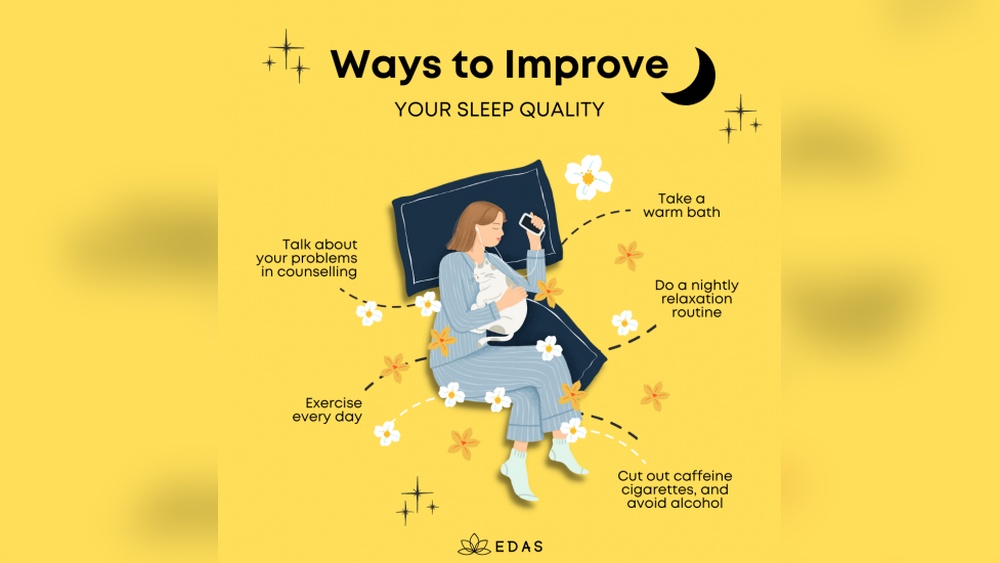

Good sleep keeps your body and mind healthy. Poor sleep makes you tired and unfocused.
Sleep quality depends on more than just hours in bed. It reflects how well your body rests and recovers. Many people struggle to fall asleep, stay asleep, or wake up refreshed. Stress, screen time, and irregular habits often disrupt natural sleep patterns.
Improving sleep is not only about comfort but also about overall health. A well-rested body supports better mood, memory, and energy levels. Simple daily changes can make a big difference in how you sleep each night. In this guide, you will learn easy, practical ways to improve sleep quality and wake up feeling truly rested.
The Importance Of Quality Sleep
Good sleep is not a luxury—it’s a daily need. You may think sleeping a few hours less won’t make a difference, but your body and mind feel it almost instantly. I learned this myself after a week of late nights; my focus dropped, and even simple tasks felt heavier. Quality sleep is your body’s natural way of repairing, refreshing, and resetting itself.
Think about how you feel after a full night of restful sleep. Your mood lifts, your energy rises, and your thoughts feel clear. That’s not random—it’s your body performing at its best. Let’s see how sleep affects both your physical health and mental well-being.
Impact On Physical Health
Your body uses sleep to heal and grow. During deep sleep, tissues repair, muscles recover, and your immune system strengthens. Without enough quality rest, your body works harder to fight illness and maintain balance.
Studies show that poor sleep can raise the risk of heart problems, weight gain, and diabetes. But small changes—like keeping a regular bedtime—can make a huge difference. You don’t need fancy gadgets; consistency and calm matter most.
Try a simple test: go to bed at the same time for one week and note how your body responds. Do you wake up more refreshed? Do your cravings change? These small observations help you understand how deeply sleep affects your physical rhythm.
Influence On Mental Well-being
Sleep shapes how you think, feel, and react. When you’re tired, even minor challenges can feel overwhelming. I once noticed that after a night of poor sleep, I snapped at a friend over a tiny issue—something that wouldn’t bother me otherwise.
Quality sleep allows your brain to process emotions, store memories, and stay sharp. It’s like clearing out mental clutter before starting a new day. Without it, stress builds faster, and your focus fades.
Ask yourself: how often do you wake up feeling calm and ready? If the answer is “not often,” it’s time to adjust your sleep habits. Reduce screen time before bed, keep your room cool, and make your evenings peaceful. Your mind will thank you with clearer thoughts and steadier emotions.
Creating A Relaxing Sleep Environment
Your bedroom plays a huge role in how well you sleep. A cluttered, noisy, or bright space can keep your mind alert even when your body is tired. Creating a calm environment helps your brain associate the space with rest, not activity.
I once struggled with waking up feeling tired despite going to bed early. After adjusting my bedroom setup—just small tweaks—I noticed a real difference. You can do the same by paying attention to temperature, light, and sound.
Optimizing Room Temperature
Temperature affects how quickly you fall asleep and how deeply you rest. A room that’s too warm makes you toss and turn, while one that’s too cold can make you wake up during the night. The ideal range is usually between 60–67°F (15–19°C).
Try lowering your thermostat or using breathable cotton sheets. If you live somewhere hot, a small fan can keep air moving without drying it out. Ever notice how you sleep better after airing out your room? Fresh air reduces stuffiness and helps your body relax.
Pay attention to your own comfort. Your perfect temperature might differ slightly. The key is consistency—keep your bedroom cool and stable every night.
Reducing Noise And Light Distractions
Even small noises can interrupt your sleep cycle. A dripping tap, a ticking clock, or traffic outside might seem harmless, yet they trigger your brain to stay alert. You can use white noise machines or simple earplugs to mask unwanted sounds.
Light affects your body’s internal clock. Streetlights or phone screens can confuse your brain into staying awake. Try blackout curtains or a soft sleep mask to block stray light.
Ask yourself: what sounds or lights are keeping you awake without you realizing it? Once you identify them, removing or minimizing those distractions becomes easy. The quieter and darker your space, the faster your body drifts into deep sleep.
Small, steady adjustments can transform your nights. When your room feels calm, your body understands—it’s time to rest.
Building A Consistent Sleep Routine
Good sleep doesn’t just happen—it’s built through habits that tell your body when it’s time to rest and when it’s time to wake. A consistent routine trains your internal clock, making sleep feel natural instead of forced. It’s not about perfection; it’s about steady patterns that support your energy and focus every day.
I used to stay up late scrolling through my phone and wake up groggy. Once I started keeping regular sleep hours, my mornings felt calmer, and my concentration improved. You can make that shift too with a few small but powerful changes.
Setting A Regular Bedtime
Your body loves predictability. Going to bed at the same time each night helps it know when to start winding down. Think of bedtime like an appointment with yourself—non‑negotiable and essential.
Start by choosing a bedtime that gives you at least seven hours of sleep. Write it down or set a reminder on your phone. Each night, do the same relaxing activities before bed—like reading a few pages or stretching gently. These cues tell your brain it’s time to slow down.
Ask yourself: what time do you usually feel tired but ignore it? That’s probably your natural bedtime. Adjust gradually—15 minutes earlier each night—until you reach a schedule that feels right. Small steps make the habit stick.
Waking Up At The Same Time Daily
Consistency doesn’t end when you close your eyes. Waking up at the same time every morning keeps your sleep cycle balanced. It helps you feel alert faster and reduces that heavy morning fog.
Skip the snooze button. It confuses your body and steals quality rest. Place your alarm across the room so you have to move to turn it off—it’s a simple trick that works surprisingly well.
Even on weekends, try to wake within 30 minutes of your weekday time. It might sound strict, but your body will thank you. Soon, you’ll notice you wake naturally before the alarm, feeling ready to start your day.
Consistency is key. Your sleep routine is a promise you make to your future self—a promise of better rest, sharper focus, and calmer mornings.
Managing Stress Before Bed
Stress can quietly sabotage your sleep. You may lie down feeling tired, but your mind keeps replaying the day’s events. The more you try to switch off, the faster your thoughts race. Learning to manage stress before bed helps you calm your body and mind so sleep comes naturally.
I used to check emails right before sleeping, thinking it saved time. It only made me anxious about tomorrow’s tasks. Once I stopped doing that, my sleep improved within days. You can make similar small changes that lead to big improvements.
Practicing Mindfulness Or Meditation
Mindfulness helps you notice your thoughts without getting caught up in them. You simply observe and let them pass. This quiet awareness signals your brain that it’s safe to rest.
Start with just five minutes. Sit comfortably, close your eyes, and focus on your breathing. Each time your mind wanders, gently bring it back. It’s normal to get distracted—what matters is returning to your breath each time.
You can use guided meditation apps or calming background sounds. Choose something that feels natural, not forced. Ask yourself: what helps you feel present and peaceful right before bed?
Using Relaxation Techniques
Relaxation is more than lying still—it’s about teaching your body to release tension. Try deep breathing, progressive muscle relaxation, or simple stretches. These methods lower your heart rate and prepare your body for rest.
One easy approach is the 4-7-8 breathing method: inhale for 4 seconds, hold for 7, exhale for 8. Repeat this four times. It’s quick, discreet, and surprisingly effective.
You can also keep a “worry notebook” beside your bed. Write down what’s bothering you, then close the notebook and remind yourself you’ll handle it tomorrow. This simple act can clear your mental space for sleep.
Stress before bed doesn’t have to control you. With mindful attention and small calming habits, you can reclaim your nights and wake up refreshed.
Limiting Stimulants And Heavy Meals
Many people struggle to fall asleep and stay asleep, often without realizing how much their evening habits affect their rest. What you eat and drink before bed can either calm your body or keep it alert. Limiting stimulants and heavy meals helps your system wind down naturally, setting the stage for deep, uninterrupted sleep.
Avoiding Caffeine And Nicotine
Caffeine hides in more than just coffee—it’s also in tea, chocolate, and even some pain relievers. Drinking coffee late in the day can delay your body’s natural sleep rhythm. Try cutting off caffeine after lunchtime and notice how your body feels at night.
Nicotine is another strong stimulant. Smoking close to bedtime can make it harder for your body to relax. If you smoke, consider moving your last cigarette earlier or switching to a calming routine like deep breathing or herbal tea before bed.
Ask yourself: do your evening habits signal your body to slow down or stay alert? Making small changes here often brings quick results—you might fall asleep faster and wake up feeling more refreshed.
Choosing Light Evening Snacks
Heavy meals before bed can cause discomfort and make your digestive system work overtime. Instead, go for simple snacks that satisfy hunger without weighing you down. Think of a banana, a handful of almonds, or yogurt with a drizzle of honey.
I once swapped my late-night burger for a small bowl of oatmeal, and the difference was clear—I felt relaxed instead of bloated. You can test this yourself by eating lighter for a week and tracking how well you sleep. Your body often responds quickly to this kind of change.
Keep your evening meals small, balanced, and easy to digest. Ask yourself what your body truly needs—fuel or comfort? Choosing the right kind of snack can help your body rest instead of digest.
:max_bytes(150000):strip_icc()/how-to-get-better-sleep-5094084-regular-FINAL-2c371001cada4ad391f6de53fc6053c9.png)
Credit: www.verywellmind.com
Adopting Healthy Daytime Habits
Adopting healthy daytime habits is one of the most effective ways to improve your sleep quality. The way you spend your day directly affects how easily you fall asleep and how deeply you rest. Small changes in your daily routine can reset your body’s internal clock and make bedtime feel natural instead of forced.
Getting Regular Exercise
Moving your body during the day helps you sleep better at night. You don’t need a strict workout plan—just aim for something that gets your heart rate up. A brisk walk after lunch or a short home workout can do wonders.
I noticed that on days I skipped my evening jog, I tossed and turned longer in bed. Physical activity helps your body release tension and use up energy that might otherwise keep you awake. The key is consistency—try to be active most days of the week.
But timing matters. Exercising too close to bedtime might make you feel alert instead of sleepy. Aim to finish intense workouts at least three hours before you go to bed. Light stretching or yoga in the evening, however, can help you wind down.
- Choose activities you enjoy—cycling, dancing, or swimming.
- Track your progress to stay motivated.
- Notice how your sleep feels after a week of regular movement.
Spending Time In Natural Light
Natural light helps your body set its internal clock. If you spend most of your day indoors, your brain might not know when it’s time to be awake or when it’s time to rest. Step outside in the morning to give your body the signal that the day has begun.
Even ten minutes of sunlight can make a difference. You could drink your morning coffee by a window or take a short walk outside. I started eating breakfast on my balcony, and my sleep improved within days—I felt tired at the right time at night.
Light exposure also affects your mood and energy levels. Bright light during the day promotes alertness, while dim light in the evening tells your body it’s time to slow down. Ask yourself: how much natural light do you get before noon?
- Open your curtains as soon as you wake up.
- Spend breaks outdoors instead of scrolling on your phone.
- Use softer lighting in the evening to prepare for sleep.
Healthy daytime habits create the foundation for restful nights. The effort you put into your daytime routine pays off when you wake up refreshed and ready to start again.
Using Technology Wisely At Night
Technology can either help you relax or keep you awake far past your bedtime. Your phone, tablet, or laptop might seem harmless, but the way you use them before sleep can have a big impact. I used to scroll endlessly at night and wondered why I felt tired even after eight hours in bed. Once I changed my habits, my sleep felt deeper and more refreshing. So, how can you use your devices without harming your rest?
Reducing Screen Time Before Bed
Start by setting a clear rule for yourself: no screens at least 30 minutes before bed. It sounds simple, but it makes a noticeable difference. Your brain needs time to slow down, and constant notifications or social media feeds do the opposite.
Try replacing late-night scrolling with something calming. You could read a physical book, stretch lightly, or listen to soft instrumental music. These small changes help your body prepare for rest naturally.
If you find it hard to disconnect, use features like “Do Not Disturb” mode or schedule app limits. They act as reminders that it’s time to wind down. You’ll be surprised how quickly your mind starts associating this routine with relaxation.
Trying Blue Light Filters
Blue light from screens can confuse your body’s internal clock. It signals your brain to stay alert when you should be getting sleepy. That’s why using a blue light filter can make a real difference in how quickly you fall asleep.
Most devices today have built-in night modes that reduce blue light automatically. Set them to turn on after sunset so you don’t have to think about it. Your eyes will feel less strained, and your body will adjust more easily to nighttime rhythms.
If you use your phone for reading, consider wearing blue light blocking glasses. They’re inexpensive and can reduce the impact of screen exposure. It’s a small step, but over time, it can help you feel more rested and energized in the morning.
How you handle technology at night shapes your sleep quality more than you might expect. A few mindful choices can help you sleep better and wake up ready for the day ahead.
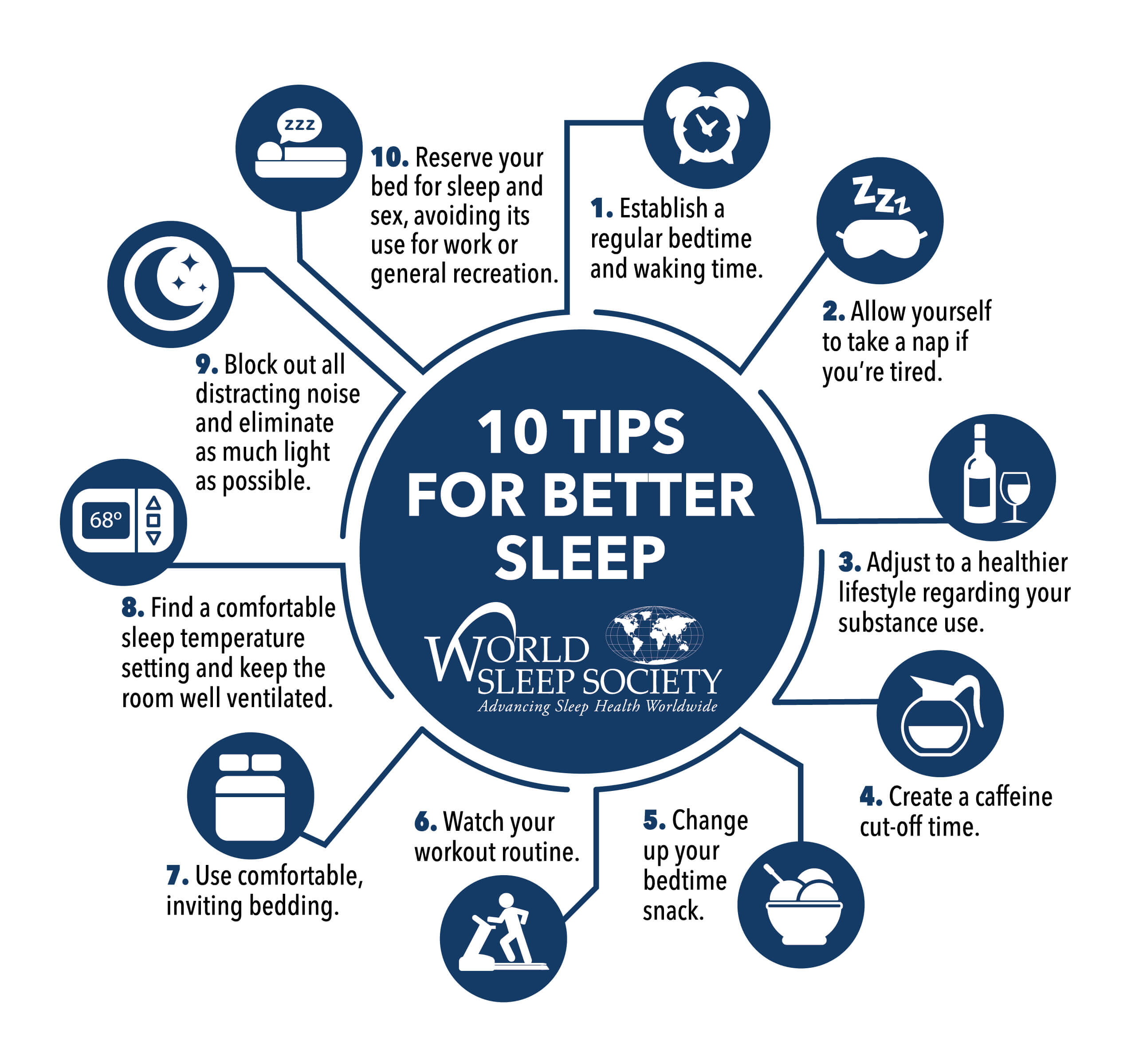
Credit: eu.wellell.com
When To Seek Professional Help
Sometimes, no matter how many sleep tips you try, your nights still feel long and restless. You wake up tired, your mood swings, and coffee barely helps. At that point, it’s worth asking yourself — could something deeper be affecting your sleep?
Seeking professional help doesn’t mean your problem is too big to handle. It means you’re giving your body the care it deserves. A proper diagnosis can save you months of guessing and frustration.
Recognizing Signs Of Sleep Disorders
If you’ve been struggling with poor sleep for weeks or even months, it’s time to look closer. You might notice you fall asleep fast but wake up several times during the night. Or maybe you lie awake for hours, staring at the ceiling, unable to shut down your thoughts.
Common signs include loud snoring, gasping for air, morning headaches, or feeling sleepy even after a full night’s rest. These symptoms can point to conditions like sleep apnea or insomnia. Ignoring them might affect your memory, focus, and even your heart health.
Ask yourself — have you tried changing your routine, limiting caffeine, and reducing screen time with no improvement? If yes, that’s your signal to reach out for expert advice.
Consulting A Sleep Specialist
A sleep specialist can help you find out what’s really happening while you sleep. They use tests like a sleep study to track your breathing, movement, and brain activity. You’ll get clear answers instead of endless online guesses.
When you visit a specialist, share your sleep habits honestly. Mention what time you go to bed, how often you wake up, and any stress you’re dealing with. This information helps them suggest treatments that actually fit your lifestyle.
If the idea of seeing a specialist feels intimidating, think of it as a step toward feeling more energized every day. Your body needs rest to function well, and professional help can guide you toward real, lasting improvement.
:max_bytes(150000):strip_icc()/how-to-get-better-sleep-5094084-regular-FINAL-2c371001cada4ad391f6de53fc6053c9.png)
Credit: www.verywellmind.com
Frequently Asked Questions
What Are The Best Ways To Improve Sleep Quality?
Creating a consistent sleep schedule and relaxing bedtime routine helps improve sleep quality. Avoid caffeine, heavy meals, and screen time before bed. Keep your bedroom cool, dark, and quiet. Regular exercise and stress management also promote better sleep and overall health.
—
How Does Diet Affect Sleep Quality?
A balanced diet supports healthy sleep patterns. Avoid caffeine and heavy meals close to bedtime. Foods rich in magnesium and tryptophan, like nuts and bananas, can improve relaxation. Hydration during the day also helps, but limit fluids before sleeping to prevent nighttime awakenings.
—
Why Is A Sleep Routine Important?
A consistent sleep routine trains your body’s internal clock. Going to bed and waking up at the same time enhances sleep quality. It improves mood, focus, and energy levels. Over time, your body naturally feels sleepy and wakes up refreshed without an alarm.
—
Can Exercise Help You Sleep Better?
Regular physical activity promotes deeper and more restful sleep. Exercise reduces stress and anxiety, helping the body relax. Morning or afternoon workouts are best for improving sleep patterns. Avoid intense exercise right before bedtime, as it may increase alertness and delay sleep.
—
Conclusion
Better sleep starts with simple daily habits. Keep a steady bedtime. Create a calm and dark room. Avoid screens before bed. Eat light at night and stay hydrated. Relax your mind with deep breathing or soft music. Small changes make a big difference over time.
Good sleep improves focus, mood, and energy each day. Treat rest as part of your health routine. Stay patient, stay consistent. Peaceful nights lead to brighter mornings.