
Are you tired of stubborn belly fat that just won’t go away? You’re not alone.
Losing belly fat can feel frustrating, especially when you’ve tried diets and workouts that didn’t deliver results. But what if you could discover simple, effective steps that actually work? You’ll learn easy-to-follow tips that target your belly fat, boost your confidence, and improve your health.
Keep reading, because the change you want starts here—and it’s easier than you think.
Causes Of Belly Fat
Belly fat builds up for several reasons. Understanding these causes helps in managing and reducing it effectively. Belly fat is not just about looks; it can affect health too.
Many factors contribute to the storage of fat around the belly area. These include hormones, diet, physical activity, stress, and sleep patterns.
Hormonal Factors
Hormones play a big role in belly fat. Cortisol, a stress hormone, increases fat storage in the belly. Insulin resistance can also cause fat to gather around the waist. Hormonal changes during aging or menopause may add to belly fat too.
Poor Diet Choices
Eating too many sugary foods and drinks leads to belly fat. High intake of processed and fast foods adds unhealthy fats. Lack of fiber and excess calories cause fat to build up. Choosing unhealthy foods makes losing belly fat harder.
Lack Of Physical Activity
Not moving enough is a key cause of belly fat. Exercise helps burn calories and reduce fat. Sitting for long periods slows metabolism and promotes fat storage. Active lifestyles keep belly fat under control.
Stress And Sleep Issues
Stress raises cortisol levels, increasing belly fat. Poor sleep disrupts hormones that control hunger and fat storage. Lack of rest can lead to overeating and weight gain. Managing stress and sleep is crucial for a flat belly.
/assets/images/provider/photos/2572976.jpg)
Credit: www.soinederm.com
Effective Diet Changes
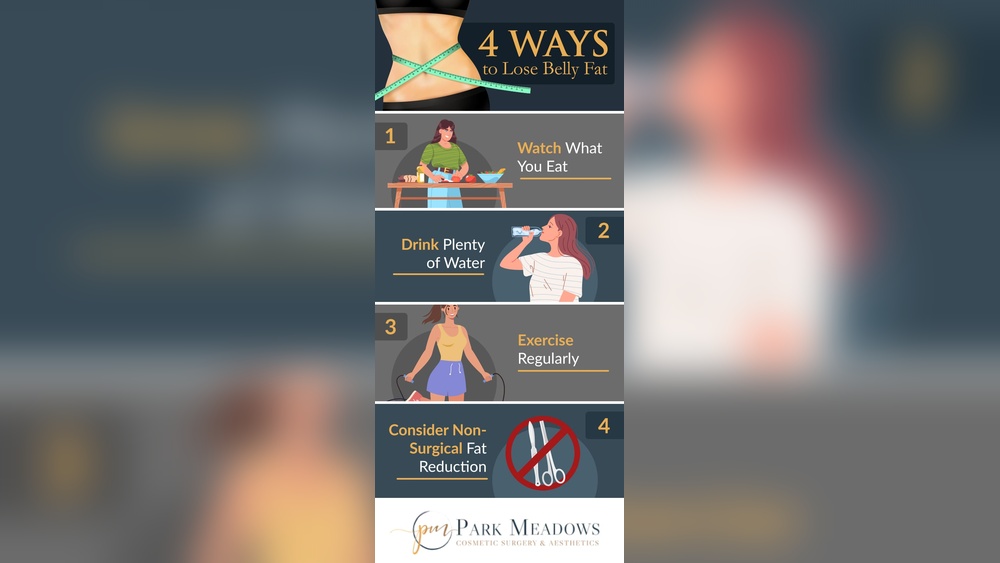
Effective diet changes can help reduce belly fat and improve health. Small adjustments in daily eating habits make a big difference. Focus on foods that burn fat and keep you full. These changes support steady weight loss and better energy.
Reducing Sugar Intake
Sugar adds empty calories and causes fat buildup around the belly. Cut back on sweets, soda, and sugary snacks. Choose natural sweeteners like honey in small amounts. Read labels to avoid hidden sugars in processed foods.
Increasing Protein Consumption
Protein helps build muscle and boosts metabolism. Eat lean meats, fish, eggs, and beans daily. Protein keeps you full longer, reducing overeating. It also helps burn more calories during digestion.
Choosing Healthy Fats
Not all fats cause weight gain. Healthy fats support fat loss and heart health. Use olive oil, avocado, nuts, and seeds in meals. Avoid trans fats found in fried and processed foods.
Eating Fiber-rich Foods
Fiber slows digestion and reduces belly fat. Eat plenty of vegetables, fruits, and whole grains. Fiber helps you feel full and lowers calorie intake. Drink water to help fiber work well in your body.
Exercise Strategies
Exercise plays a key role in reducing belly fat. It helps burn calories and builds muscle. Combining different types of workouts can speed up fat loss and improve health. Focus on exercises that increase heart rate, strengthen muscles, and target the core.
Cardio Workouts
Cardio workouts burn calories and fat effectively. Activities like walking, running, cycling, and swimming increase heart rate. Aim for at least 30 minutes of moderate cardio most days. Consistent cardio helps reduce overall body fat, including belly fat.
Strength Training
Strength training builds muscle and boosts metabolism. More muscle means more calories burned, even at rest. Use weights, resistance bands, or bodyweight exercises like squats and push-ups. Train all major muscle groups two to three times weekly.
Core-focused Exercises
Core exercises strengthen abdominal muscles. Strong muscles improve posture and tone the belly area. Try planks, crunches, and leg raises. While core workouts don’t burn fat directly, they shape the stomach muscles underneath.
High-intensity Interval Training (hiit)
HIIT alternates short bursts of intense activity with rest. This method burns a lot of calories in less time. It also increases metabolism for hours after exercise. Examples include sprinting followed by walking or fast cycling with slow pedaling.
Lifestyle Adjustments
Changing your lifestyle is a key step to lose belly fat. Small daily habits impact your body’s fat storage. Focusing on healthy routines helps burn fat faster. These lifestyle changes support your diet and exercise plan.
Improving Sleep Quality
Good sleep helps your body control hunger hormones. Poor sleep raises stress hormones that store belly fat. Aim for 7 to 8 hours of sleep every night. Create a calm, dark, and cool bedroom for better rest. Avoid screens and heavy meals before bedtime.
Managing Stress Levels
Stress triggers cortisol, a hormone that increases belly fat. Find ways to relax, like walking or deep breathing. Regular meditation can lower stress and help your mind. Take breaks and enjoy hobbies to reduce daily tension.
Staying Hydrated
Water helps your body burn fat more efficiently. Drinking enough water reduces hunger and prevents overeating. Aim for at least 8 glasses of water each day. Replace sugary drinks with water to cut extra calories.
Avoiding Alcohol And Smoking
Alcohol adds empty calories that increase belly fat. Smoking affects metabolism and fat distribution negatively. Cutting out both supports your fat loss efforts. Choose healthier habits for your body and mind.
Tracking Progress
Tracking progress is key to losing belly fat effectively. It helps you see changes and stay motivated. Simple tools can make tracking easy and clear. Regular checks show what works and what needs change. Keep it consistent for best results.
Measuring Waist Circumference
Use a tape measure to check your waist size. Measure around the narrowest part of your belly. Do this once a week at the same time. Record the number to watch your progress. A smaller waist means you are losing belly fat.
Using Body Fat Scales
Body fat scales show your fat percentage, not just weight. Step on the scale once a week for tracking. These scales send a small signal through your body to estimate fat. Note the changes over time for better insight. Fat loss matters more than just weight loss.
Keeping A Food And Exercise Journal
Write down what you eat and your daily workouts. This helps find patterns and areas to improve. Be honest and detailed in your entries. Review your journal weekly to track habits and progress. Journals keep you responsible and focused on goals.

Credit: www.youtube.com
Common Myths Debunked
Belly fat is a common concern. Many myths surround how to lose it. These myths can mislead and waste time. Understanding the truth helps create better habits. Let’s clear up some common myths about losing belly fat.
Spot Reduction Misconception
Many believe doing crunches burns belly fat. The truth is, spot reduction does not work. Fat loss happens all over the body. Exercises tone muscles but do not remove fat in one area. A balanced workout and diet reduce belly fat overall.
Fad Diets And Quick Fixes
Fad diets promise fast belly fat loss. Most are low in nutrients and hard to keep. Quick fixes often cause weight to return. Slow, steady changes in eating habits work best. Focus on whole foods and portion control for lasting results.
Supplements And Belly Fat
Supplements claim to burn belly fat fast. Few have scientific proof to support these claims. Some may cause side effects or harm health. Real fat loss needs good diet and exercise. Use supplements only after consulting a healthcare expert.

Credit: www.youtube.com
Frequently Asked Questions
How Can I Lose Belly Fat Quickly And Safely?
To lose belly fat safely, combine a balanced diet with regular exercise. Focus on cardio, strength training, and core workouts. Avoid crash diets and prioritize consistent, healthy habits for sustainable results.
What Foods Help Reduce Belly Fat Effectively?
Foods rich in fiber, protein, and healthy fats help reduce belly fat. Include vegetables, fruits, lean meats, nuts, and whole grains. Avoid sugary and processed foods to support fat loss and improve metabolism.
Does Drinking Water Aid In Losing Belly Fat?
Yes, drinking water boosts metabolism and reduces appetite. Staying hydrated helps your body burn fat more efficiently. Aim for at least 8 glasses daily to support belly fat loss and overall health.
How Much Exercise Is Needed To Lose Belly Fat?
Aim for at least 150 minutes of moderate aerobic exercise weekly. Combine cardio with strength training for best results. Consistency and variety in workouts are key to effective belly fat reduction.
Conclusion
Losing belly fat takes time and steady effort. Eat healthy foods and move your body often. Drink plenty of water and get good sleep. Small changes add up to big results. Stay patient and keep your goals clear. Your body will thank you for the care.
Start today, and enjoy feeling healthier soon.