
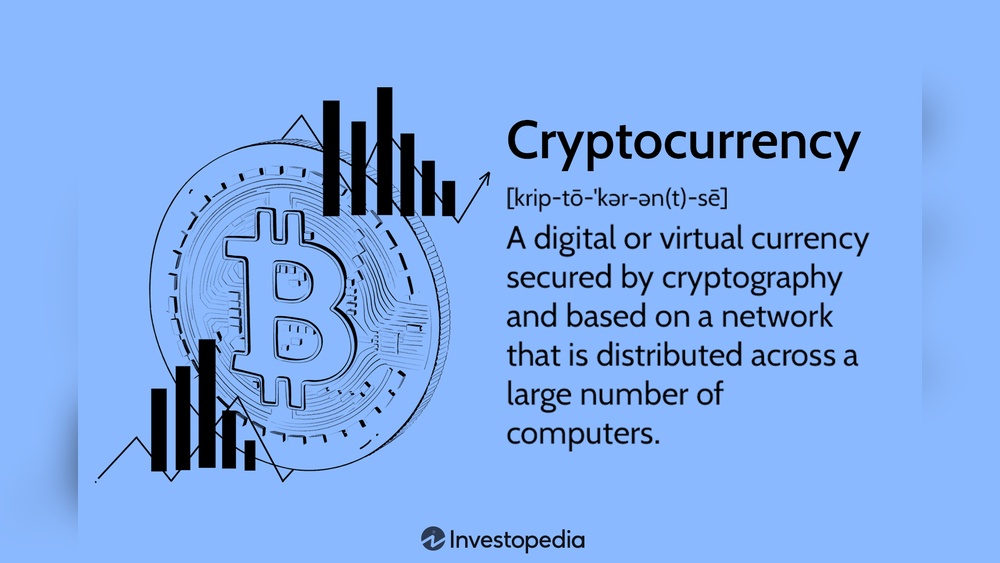

Have you ever wondered what cryptocurrency really is and why so many people are talking about it? You might have heard about Bitcoin or Ethereum but still feel unsure about how it works or why it matters to you.
Understanding cryptocurrency can open new doors for your financial future and help you make smarter decisions with your money. This article will break down the basics in simple terms, so you don’t have to feel lost or overwhelmed. Keep reading, and you’ll discover how cryptocurrency could change the way you think about money forever.

Credit: www.kaspersky.com
Basics Of Cryptocurrency
Cryptocurrency is a type of digital money. It exists only in electronic form. People use it to buy goods and services or trade for profit.
It works differently from regular money. No banks or governments control it. Instead, it uses special technology to keep it safe and fair.
Digital Money Explained
Digital money is money stored and used online. You cannot hold it like coins or bills. You send and receive it through the internet. This money is fast and works globally. It removes the need for physical cash or cards.
How Cryptography Secures Transactions
Cryptography is a way to protect information. It uses codes so only the right person can see the data. Cryptocurrency uses cryptography to keep transactions safe and private. This stops fraud and hacking. Every transaction is checked by many computers to make sure it is real.
Popular Cryptocurrencies Today
Bitcoin is the first and most known cryptocurrency. Many people use it as digital gold. Ethereum is popular for smart contracts and apps. Other well-known coins include Ripple, Litecoin, and Cardano. Each has unique features and uses.

Credit: www.kaspersky.com
Blockchain Technology
Blockchain technology forms the base of cryptocurrency. It is a system that records transactions across many computers. This makes it hard to change or cheat the system. The technology ensures trust without needing a middleman like a bank. It stores data in blocks, which connect in a chain. Each block holds transaction details and a unique code called a hash.
Decentralized Ledger Concept
A decentralized ledger means no single person controls the data. Instead, many computers, called nodes, keep copies of the ledger. Every transaction gets recorded on all these copies. This way, the system stays transparent and secure. If one copy changes, the others will show the difference. This stops fraud and data loss.
Mining And Consensus Mechanisms
Mining is the process of adding new blocks to the blockchain. Miners solve complex math problems to confirm transactions. This takes computer power and time. Consensus mechanisms help all nodes agree on the ledger’s state. Proof of Work and Proof of Stake are common types. These methods keep the blockchain honest and safe.
Smart Contracts And Their Uses
Smart contracts are computer programs stored on the blockchain. They run automatically when certain conditions are met. These contracts reduce the need for middlemen. They are used in finance, real estate, and more. Smart contracts make processes faster and cheaper. They help users trust digital agreements without lawyers.
Advantages Of Cryptocurrency
Cryptocurrency offers several benefits that attract many users worldwide. It changes how people send money and make transactions. Understanding its advantages helps to see why it is gaining popularity.
Lower Transaction Costs
Cryptocurrency reduces fees by cutting out middlemen like banks. This saves money on each transaction. People can send small or large amounts without high charges. Businesses also benefit from lower costs, which can improve profits.
Faster Cross-border Payments
Sending money across countries is quicker with cryptocurrency. Traditional methods can take days, but crypto transfers happen in minutes. This speed helps people who need to send money fast. It also supports global trade by making payments simpler.
Financial Inclusion Benefits
Many people do not have bank accounts but can use cryptocurrency. All that is needed is internet access and a digital wallet. This allows more people to join the financial system. It opens new opportunities for saving and spending money safely.
Risks And Challenges
Cryptocurrency has many benefits, but it also comes with risks and challenges. Understanding these risks helps you make smarter choices. The crypto world can be exciting but risky at the same time. Let’s explore some main challenges you should know about.
Market Volatility
Cryptocurrency prices change very fast. One day, the price can be high. The next day, it can drop sharply. This makes it hard to predict how much your investment is worth. Sudden price swings can cause big losses.
Many factors affect the market, like news, demand, and global events. This uncertainty can stress investors and traders. It is important to be ready for ups and downs.
Regulatory Uncertainty
Governments around the world have different rules about cryptocurrency. Some countries support it, while others ban or restrict it. These rules can change quickly and without warning.
This creates confusion for users and businesses. New laws can affect how you buy, sell, or use crypto. Staying updated on regulations is very important.
Security And Fraud Concerns
Cryptocurrency is digital, so it faces security risks. Hackers can steal coins from wallets or exchanges. Losing access to your wallet means losing your money forever.
Scams and fraud are common in the crypto space. Fake projects and phishing attacks try to trick users. Always use strong passwords and trusted platforms to protect yourself.
Cryptocurrency In Finance
Cryptocurrency is changing finance in many ways. It offers new methods for managing money and payments. Digital currencies run on technology that works without banks or central authorities. This shift brings new opportunities and challenges to the financial world.
Impact On Traditional Banking
Cryptocurrency challenges the role of banks. It lets people send money directly without middlemen. Banks face pressure to update their systems to stay relevant. Some banks have started using blockchain to improve security and speed. The shift pushes banks to become more efficient and user-friendly.
Rise Of Decentralized Finance (defi)
DeFi uses blockchain to create financial services without banks. It allows users to borrow, lend, and trade on open platforms. DeFi gives more people access to financial tools. It works 24/7 and is available worldwide. This new system reduces costs and increases transparency.
Future Payment Systems
Cryptocurrency may change how we pay for goods and services. Digital currencies enable instant payments across borders. They reduce fees and remove delays common in traditional payments. Some companies are exploring crypto wallets for everyday use. The future points to faster, cheaper, and easier payment methods.
Adoption And Future Trends
The adoption of cryptocurrency is growing fast worldwide. Many people and organizations now see its potential beyond just digital coins. New trends are shaping how crypto fits into our financial lives and future. These changes show how crypto might become a regular part of daily transactions and investments.
Institutional Investments
Big companies and investment firms are buying cryptocurrencies. This shows trust in crypto’s value and future. Their involvement brings more money and stability to the market. It also helps reduce doubts about crypto’s legitimacy. More institutions joining means stronger support for digital currencies.
Government And Central Bank Digital Currencies
Governments and central banks are creating their own digital currencies. These currencies use blockchain technology but are controlled by official authorities. They aim to make payments faster and safer. These digital currencies could replace or work with regular money. This step shows governments accept digital money’s importance.
Potential For Mass Adoption
More people across the world are starting to use cryptocurrencies. Mobile apps and easy access help spread crypto use. Online shops and stores accept crypto for payments. This makes spending digital money simple and common. Mass adoption will depend on trust, ease, and clear rules.

Credit: www.bankrate.com
Frequently Asked Questions
What Is Cryptocurrency And How Does It Work?
Cryptocurrency is a digital currency secured by cryptography. It operates on a decentralized network called blockchain. Transactions are verified by network nodes, ensuring security and transparency without a central authority.
How Is Cryptocurrency Different From Traditional Money?
Unlike traditional money, cryptocurrency is digital and decentralized. It isn’t controlled by banks or governments. This allows faster transactions, lower fees, and global accessibility.
Is Cryptocurrency Safe To Use For Transactions?
Cryptocurrency uses strong encryption and blockchain technology, making it secure. However, risks include hacking, scams, and price volatility. Use trusted wallets and exchanges to stay safe.
Can I Invest In Cryptocurrency For Profit?
Yes, many invest in cryptocurrency hoping for price gains. It’s highly volatile and risky. Research and understand the market before investing to minimize losses.
Conclusion
Cryptocurrency is digital money that works without banks. It uses special codes to keep transactions safe. People use it to buy things or invest. Its value can change a lot, so be careful. Many find it easy to send money worldwide quickly.
Understanding cryptocurrency helps you stay informed about money today. Keep learning and watch how it grows in the future. It is a new way to think about money. Simple, fast, and digital—this is cryptocurrency.


