
Are you ready to master Golang in 2025? Learning a new programming language can feel overwhelming, but with the right approach, you can make steady progress without frustration.
This guide will show you simple, effective steps to learn Golang fast and keep you motivated along the way. By the end, you’ll have a clear path to become confident in Golang and unlock new opportunities in your coding career.
Keep reading, and let’s get you started on the right track.
Credit: roadmap.sh
Why Choose Golang
Choosing a programming language shapes your learning path and career. Golang stands out as a strong choice in 2025. It offers simplicity and power in one package. Many programmers find it easy to start with and grow their skills fast. Golang suits various projects, from web apps to cloud systems.
Key Features Of Golang
Golang has a simple syntax. It reads like plain English. This helps beginners learn quickly. The language runs fast. It compiles directly to machine code, which speeds up apps.
It supports concurrency well. This means it can do many tasks at once. Useful for modern apps that need to handle many users or processes. The built-in garbage collector helps manage memory automatically.
Golang In The Tech Industry
Many big companies use Golang. It powers cloud services, servers, and tools. Google created Golang, and it uses it too. Other companies like Uber and Dropbox also rely on it.
Golang works well with cloud platforms like Kubernetes and Docker. These tools shape how apps run today. Learning Golang means understanding key parts of tech infrastructure.
Job Opportunities With Golang
Demand for Golang developers grows every year. Many startups and big firms seek Golang skills. Jobs range from backend developer to cloud engineer roles.
Good Golang knowledge can lead to better pay. It opens doors to working on modern and exciting projects. Companies value developers who write clear, fast, and reliable code.
Credit: medium.com
Setting Up Your Environment
Setting up your environment is the first step in learning Golang. It creates a smooth path for coding and testing your programs. A well-prepared setup helps avoid common errors and saves time. This section guides you through installing Go, picking the right IDE, and configuring your workspace.
Installing Go
Go to the official Go website to download the latest version. Choose the correct installer for your operating system. Follow the simple instructions to install it on your computer. After installation, open the terminal or command prompt. Type go version to check if Go is installed correctly. This command shows the installed Go version. If you see the version, the installation is successful.
Choosing The Right Ide
An IDE helps write and manage code easily. Some popular IDEs for Go are Visual Studio Code, GoLand, and LiteIDE. Visual Studio Code is free and supports many extensions. GoLand is a paid option with advanced features. Choose an IDE that feels comfortable and meets your needs. Install the Go extension or plugin for better coding support.
Configuring Workspace
Create a folder where you will keep all your Go projects. This folder is your workspace. Set the GOPATH environment variable to point to this folder. Inside your workspace, create subfolders like src, bin, and pkg. These folders help organize your code and compiled files. Use the terminal to navigate to your workspace folder. You are now ready to start coding in Go.
Core Concepts To Learn
Learning Golang starts with understanding its core concepts. These basics form the foundation for writing clear and efficient code. Focus on each concept step by step. This method builds confidence and skill.
Mastering these areas helps in solving real problems. It also prepares you for advanced Golang topics later. The following sections explain the key concepts to study.
Basic Syntax And Data Types
Golang’s syntax is simple and clean. Start by learning how to write statements and declare variables. Know the common data types like integers, floats, strings, and booleans. Understand how to use constants and type conversions. This knowledge helps you read and write Go code easily.
Control Structures
Control structures guide the flow of your program. Learn about if-else statements, switch cases, and loops. These help you make decisions and repeat tasks in your code. Practice writing these structures to control how your program behaves.
Functions And Methods
Functions organize code into reusable blocks. Learn how to define functions with parameters and return values. Methods are functions tied to specific types. Understanding these helps you write modular and clear programs. Practice creating and calling functions often.
Error Handling
Errors happen in every program. Golang uses a simple way to handle them. Learn how to check for errors and respond properly. This prevents crashes and keeps programs running smoothly. Error handling is crucial for building reliable software.
Concurrency With Goroutines
Concurrency lets your program do many things at once. Goroutines are lightweight threads in Golang. Learn how to start and manage goroutines. This skill improves performance and efficiency. Practice using goroutines to run tasks in parallel.
Hands-on Practice
Hands-on practice is key to learning Golang in 2025. Coding regularly builds your skills faster than just reading. Writing real code helps you understand concepts clearly.
Practice also makes you comfortable with Go’s unique features. It trains your brain to solve problems using the language. Start small and grow your projects gradually.
Writing Your First Program
Begin with a simple “Hello, World!” program. It teaches you how to write, save, and run Go code. Use a text editor or Go playground to write your code. Running this program confirms your setup works correctly.
Building Small Projects
Create small projects like calculators or to-do lists. These exercises improve your logic and Go syntax skills. They show how to use variables, loops, and functions. Small projects keep learning fun and manageable.
Using Go Modules
Learn to manage dependencies with Go modules. Modules help organize your code and external libraries. Use commands like go mod init and go mod tidy. This skill is essential for larger projects.
Testing And Debugging
Write tests to check your code’s correctness. Go has built-in tools for testing and debugging. Use go test to run tests and find errors. Debugging helps fix problems quickly and improves your code quality.
Learning Resources
Finding the right learning resources is key to learning Golang in 2025. Good materials help you understand concepts faster and code better. Use a mix of official guides, courses, books, and community support. This variety keeps learning interesting and balanced.
Official Documentation
The official Go documentation is the best place to start. It explains the language clearly and shows examples. The docs are updated regularly with the latest features. Reading the official guide helps you learn the language’s rules and syntax properly.
It also includes tutorials for beginners and advanced users. You get a deep understanding of how Go works. This resource is free and trusted by developers worldwide.
Online Courses And Tutorials
Online courses offer structured learning with videos and exercises. Many platforms have courses tailored for beginners. Tutorials break down topics into small, easy lessons. You can learn at your own speed and practice coding right away.
Some courses focus on real-world projects. This method helps you apply what you learn. Choose courses with good reviews and updated content for 2025.
Books For Beginners
Books give detailed explanations and examples in one place. Some books are designed especially for new Go learners. They cover basics and important concepts step by step. Reading books helps reinforce what you learn online or from docs.
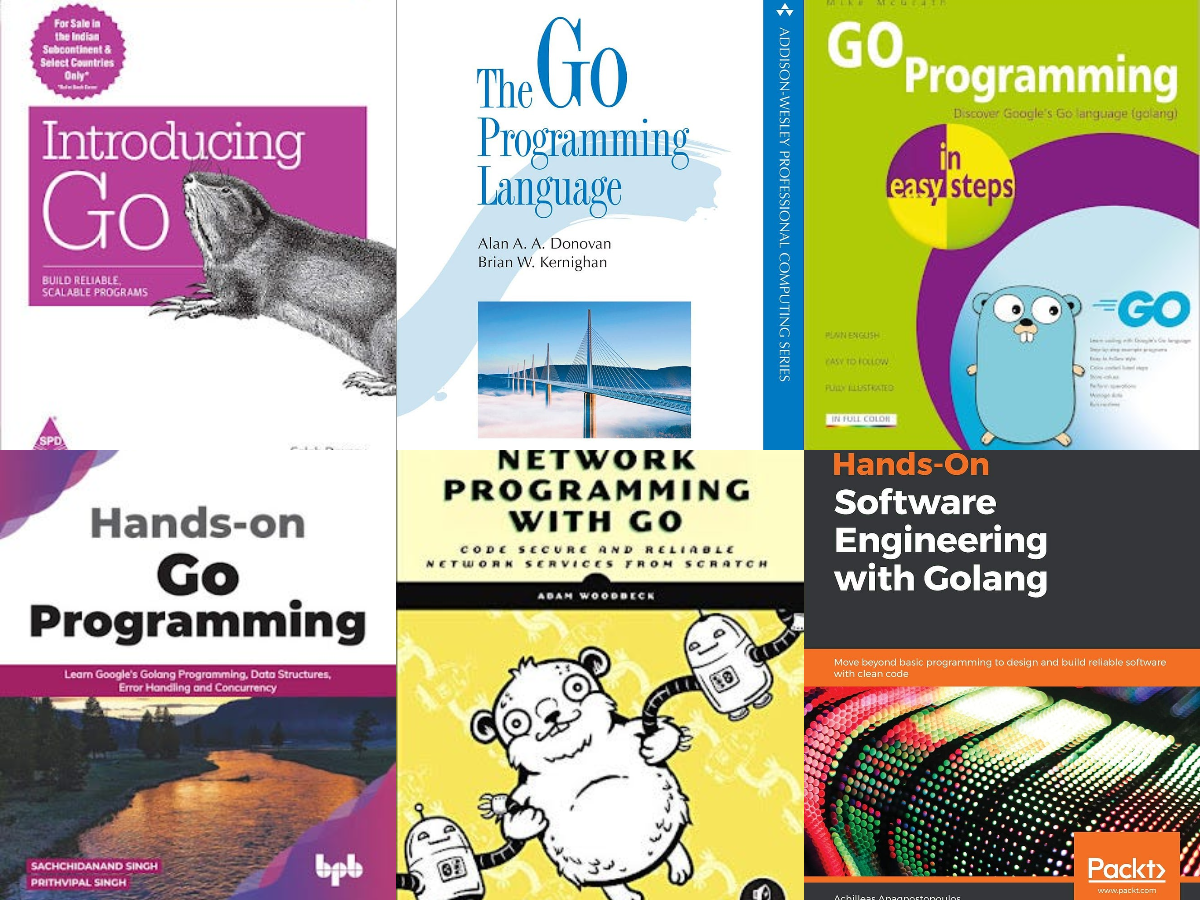
Look for books published recently to match the current Go version. Books often include exercises to test your skills. They are handy for offline study and slow, steady learning.
Community And Forums
Joining Go communities helps solve problems quickly. Forums, chat groups, and discussion boards connect you with other learners and experts. You can ask questions and share your knowledge.
Communities also share tips, news, and project ideas. Being active in forums improves your understanding and keeps you motivated. Popular places include Reddit, Stack Overflow, and Go-specific groups.
Advanced Topics
Advanced topics in Go help deepen your skills and expand your project possibilities. Exploring these areas makes you more confident and effective in writing Go programs. Focus on key subjects that improve how your code performs and interacts with other systems.
Web Development With Go
Go supports building fast, simple web servers. Use its standard library for handling HTTP requests easily. Frameworks like Gin and Echo simplify routing and middleware use. Learn to create APIs that serve data quickly and reliably. Practice writing handlers and managing templates for dynamic content.
Working With Databases
Connecting Go programs to databases is essential. Use packages like database/sql for SQL databases. Understand how to perform CRUD operations cleanly. Explore ORMs such as GORM for easier data handling. Practice safe queries to avoid SQL injection risks. Managing database connections efficiently improves app stability.
Microservices Architecture
Go fits well with microservices due to its speed and simplicity. Build small, independent services that communicate over networks. Learn to use gRPC or REST for service communication. Focus on service discovery, load balancing, and fault tolerance. Design services that are easy to deploy and scale.
Performance Optimization
Go programs often need tuning for best speed and memory use. Profile your code with built-in tools like pprof. Identify slow functions and memory leaks clearly. Use concurrency wisely with goroutines and channels. Optimize data structures for faster access and smaller size. Testing performance regularly ensures smoother user experiences.
Tips For Staying Motivated
Learning Golang takes time and effort. Staying motivated helps you keep moving forward. Motivation can fade, but certain tips keep your energy high. These tips make your learning journey smoother and more fun.
Setting Realistic Goals
Set small, clear goals. Small steps feel easier to reach. For example, learn one new concept each day. This creates a sense of achievement. Realistic goals keep frustration away. They help you stay focused and confident.
Joining Coding Challenges
Coding challenges push you to apply what you learn. They create a fun way to practice. Challenges also show your improvement over time. Try online platforms that offer Golang tasks. This keeps learning active and interesting.
Collaborating With Peers
Find others who learn Golang too. Share ideas and solve problems together. Group learning builds support and motivation. Peers can explain things in new ways. This makes difficult topics easier to understand.
Tracking Your Progress
Keep a journal or use apps to track learning. Write down what you learn each day. Seeing progress boosts your morale. It shows how much you have achieved. Tracking helps you plan your next steps clearly.

Credit: dev.to
Frequently Asked Questions
What Is The Best Way To Start Learning Golang In 2025?
Begin with the official Go documentation and tutorials. Use interactive coding platforms like Exercism or Go Playground. Practice building simple projects to grasp syntax and concepts effectively.
How Long Does It Take To Become Proficient In Golang?
Typically, it takes 3 to 6 months with consistent daily practice. Prior programming experience can shorten this timeline. Focus on mastering Go’s unique features and concurrency model.
Which Resources Are Best For Learning Golang Online?
Top resources include the Go official site, Udemy courses, and freeCodeCamp tutorials. Join Go communities on Reddit and Stack Overflow for support and real-world advice.
What Projects Can Beginners Build To Learn Golang Fast?
Start with command-line tools, web servers, or simple APIs. These projects help you understand Go’s strengths in networking and concurrency. Gradually move to more complex applications.
Conclusion
Learning Golang in 2025 is simple with the right steps. Start small and practice often. Use online resources and join coding communities. Build projects to understand real-world use. Stay patient and keep improving each day. Golang offers great job opportunities and skills growth.
Your effort will pay off in time. Keep coding and enjoy the learning journey.