Have you ever wondered if your furry friend can enjoy a crunchy apple just like you do? You might be curious whether giving your dog a slice of apple is safe or if it could cause harm.
Knowing what foods are good or bad for your dog is crucial for their health and happiness. You’ll discover the truth about dogs and apples—what parts are safe, how much you can offer, and important tips to keep your pet healthy.
Keep reading to find out if apples can be a tasty treat for your dog without any risks.
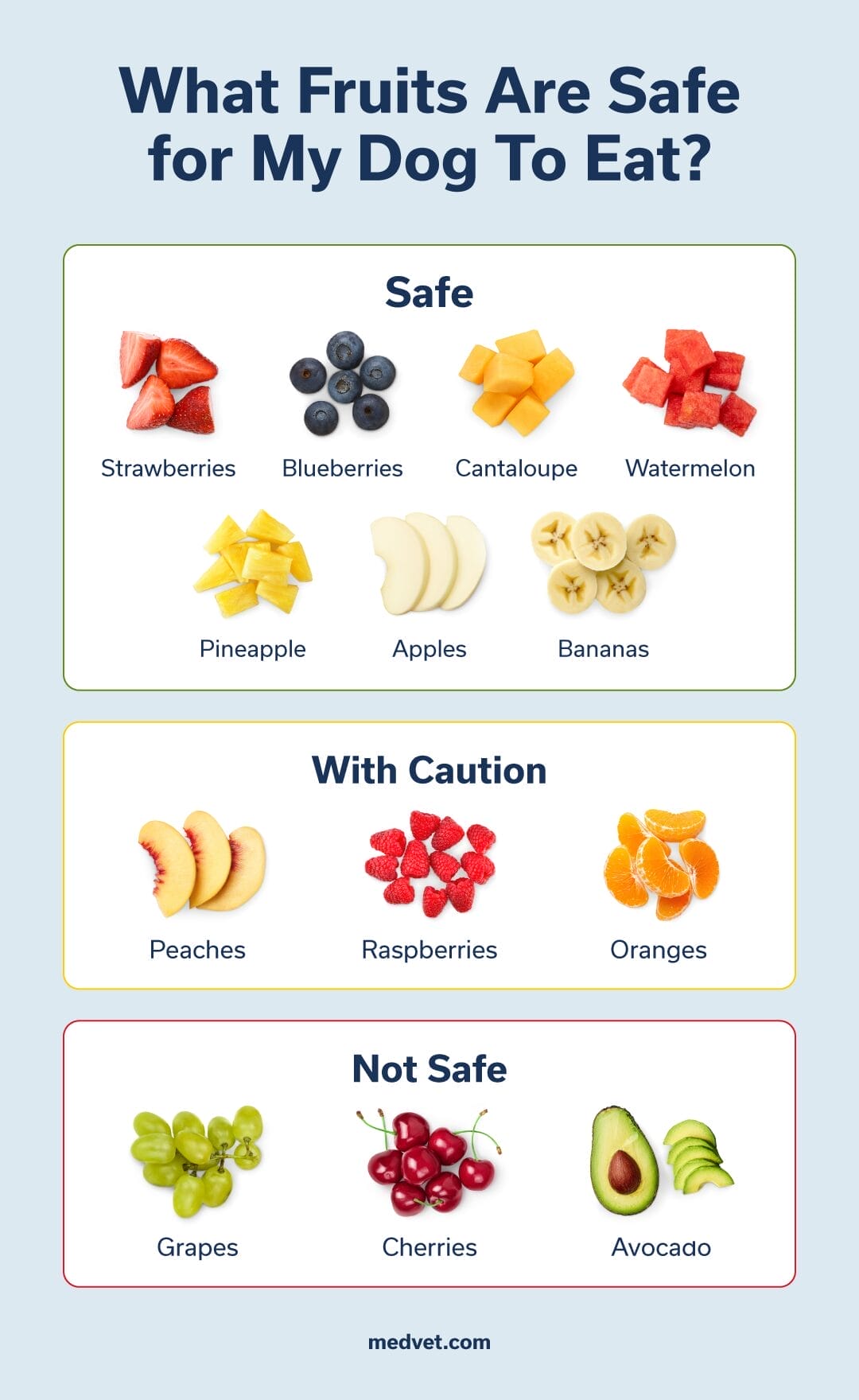
Credit: www.medvet.com
Can Dogs Eat Apples
Apples can be a healthy treat for dogs. They offer vitamins and fiber that dogs need. Many dog owners wonder if apples are safe for their pets. The good news is that dogs can eat apples in moderation. It is important to know which parts are safe and how to prepare them properly.
Safe Apple Parts For Dogs
The flesh of the apple is safe for dogs to eat. It contains nutrients and fiber that help digestion. Avoid giving dogs apple seeds. Seeds have small amounts of cyanide, which is harmful. The apple core is also unsafe. It can cause choking or blockages in the stomach. Always remove seeds and core before feeding apples to dogs.
How To Prepare Apples For Dogs
Wash the apple thoroughly to remove dirt and pesticides. Cut the apple into small, bite-sized pieces. Small pieces reduce the risk of choking. Serve apples as a fresh treat, not canned or sugared. Avoid adding any spices or sugar. Fresh apple slices are best for a healthy snack. Always watch your dog when trying a new food.
Health Benefits Of Apples For Dogs
Apples are a popular fruit that many dog owners consider for treats. They offer more than just a tasty snack. Apples provide several health benefits that can support a dog’s overall well-being. Understanding these benefits helps pet owners make better food choices for their furry friends.
Feeding apples in moderation can add important nutrients to your dog’s diet. These fruits are easy to serve and usually well-liked by dogs. Let’s explore the health benefits apples bring to dogs.
Rich Source Of Vitamins
Apples contain vitamins A and C that boost a dog’s immune system. These vitamins help keep skin and coat healthy. Vitamin C also supports healing and fights infections. Small amounts of these vitamins contribute to a strong, active dog.
Fiber For Digestive Health
Apples have fiber that aids digestion and prevents constipation. Fiber helps move food through the stomach smoothly. It also supports healthy gut bacteria. A healthy digestive system means fewer stomach problems for dogs.
Natural Teeth Cleaner
Chewing apple slices can help clean a dog’s teeth. The crunchy texture removes plaque and food bits. This reduces bad breath and lowers the risk of dental disease. Apples act as a natural and tasty way to care for teeth.
Potential Risks Of Apples For Dogs
Apples can be a healthy treat for dogs, but they come with some risks. Knowing these risks helps keep your dog safe. Some parts of the apple and how you feed it can cause problems.
Choking Hazards
Apple pieces that are too big can block a dog’s throat. Dogs may choke if they swallow large chunks without chewing. Always cut apples into small, bite-sized pieces. Watch your dog while eating to prevent accidents.
Toxicity Of Seeds And Core
Apple seeds contain small amounts of cyanide, which is harmful. The core is also hard and can cause stomach upset. Never give your dog apple seeds or the core. Remove these parts before feeding apples.
Allergic Reactions
Some dogs may be allergic to apples. Signs include itching, swelling, or stomach problems. Stop feeding apples if your dog shows any allergy signs. Consult a vet for advice on allergies and safe treats.
Credit: mcgeheeclinic.com
How Much Apple Is Safe For Dogs
Knowing how much apple is safe for dogs helps keep them healthy and happy. Apples have vitamins and fiber that dogs enjoy. Still, too much can upset their stomach or cause other problems. Dogs need only a small amount as a treat, not a full meal replacement.
Portion Size Guidelines
Start with a few small apple slices for your dog. For small dogs, one or two slices are enough. Medium dogs can have three to four slices. Large dogs might eat up to five or six slices safely. Always remove seeds and core before giving apples to dogs. Seeds contain small amounts of cyanide and can be harmful.
Frequency Of Feeding
Offer apple treats no more than two or three times a week. Treats should not make up more than 10% of your dog’s daily diet. Giving apples too often can cause tummy upset or diarrhea. Watch how your dog reacts after eating apple pieces. Stop feeding apples if you notice any discomfort or allergies.
Signs Of Apple-related Problems In Dogs
Apples can be healthy treats for dogs, but not every dog reacts well. Some dogs may show signs of trouble after eating apples. Knowing these signs helps keep your dog safe and comfortable.
Watch closely for any unusual behavior or symptoms. Early detection of apple-related problems can prevent serious health issues.
Digestive Issues
Stomach pain is a common sign of trouble. Dogs might vomit or have diarrhea after eating apples. Some dogs may refuse to eat or seem tired. These signs mean their digestive system is upset. Avoid giving more apples until symptoms clear.
Allergy Symptoms
Some dogs have allergies to apples. Look for itching, redness, or swelling on their skin. They may scratch their face or paws often. Sneezing or watery eyes can also happen. Allergies need quick attention to stop discomfort.
Emergency Situations
Call a vet immediately if your dog shows severe signs. Trouble breathing, swelling of the face, or choking are emergencies. Also watch for weakness or collapse. These signs need fast medical help to save your dog’s life.

Credit: www.skarpdig.nu
Alternatives To Apples For Dogs
Apples are a popular treat for dogs, but they are not the only option. Dogs can enjoy a variety of safe fruits and healthy snacks. Offering different treats helps keep your dog’s diet interesting and nutritious. Some dogs may prefer other flavors or textures. It is important to choose treats that support your dog’s health and digestion.
Other Safe Fruits
Dogs can eat many fruits safely. Blueberries are small and full of antioxidants. Bananas provide potassium and are easy to digest. Watermelon is hydrating but remove seeds and rind first. Strawberries have vitamins and fiber, but feed in small amounts. Pears can be a good choice, just avoid seeds and core. Each fruit offers different nutrients for your dog.
Healthy Treat Options
Besides fruits, many healthy treats suit dogs well. Carrot sticks are crunchy and low in calories. Green beans are full of fiber and vitamins. Sweet potatoes, cooked and plain, make tasty snacks. Plain cooked chicken or turkey pieces provide protein. Yogurt with no sugar or additives helps with digestion. These treats add variety and promote good health.
Frequently Asked Questions
Can Dogs Safely Eat Apple Slices?
Yes, dogs can safely eat apple slices in moderation. Apples provide vitamins and fiber but remove seeds and core first.
Are Apple Seeds Harmful To Dogs?
Apple seeds contain cyanide, which is toxic to dogs. Avoid giving dogs apple seeds to prevent poisoning risks.
How Many Apples Can I Feed My Dog Daily?
Limit apple intake to a few small slices per day. Too many apples can cause stomach upset in dogs.
What Are The Health Benefits Of Apples For Dogs?
Apples offer vitamin A, C, and fiber, aiding digestion and boosting immunity in dogs. They make a healthy treat option.
Conclusion
Dogs can safely eat apples in small amounts. Apples offer vitamins and fiber that help dogs stay healthy. Always remove seeds and core before feeding. Too many apples might upset your dog’s stomach. Watch your dog for any signs of allergies or discomfort.
Treat apples as a snack, not a meal. Healthy treats like apples can add variety to your dog’s diet. Keep your dog’s safety and health as a top priority. Simple, fresh apples make a tasty, safe option for most dogs.