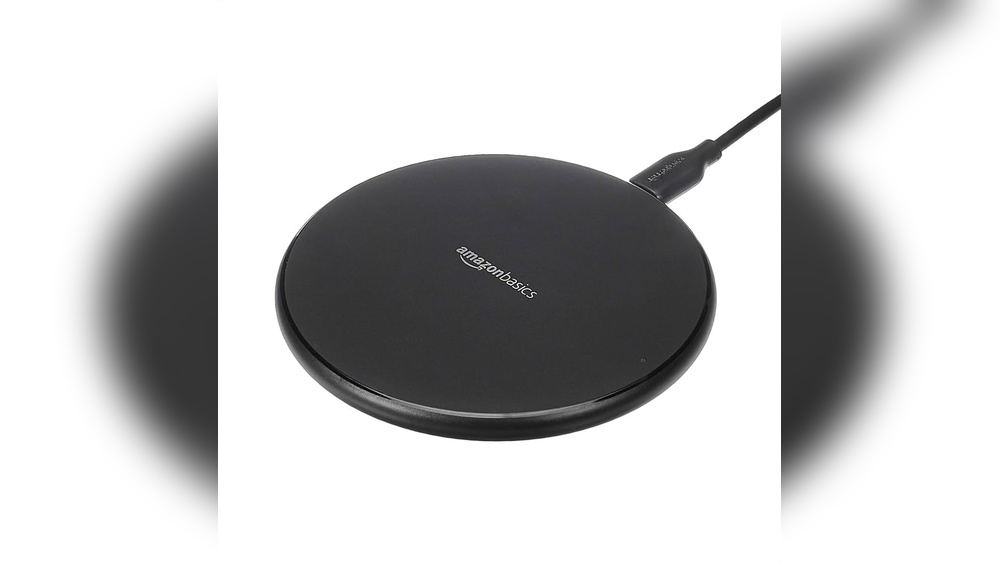

Wireless charging is a way to charge devices without cables. It uses power that moves through the air. It feels simple and clean. No more tangled cords. No more searching for a plug. But how does it really work? Let’s explore this easy and helpful technology.
What Is Wireless Charging?
Wireless charging means sending power from a charger to a device without wires. The charger and the device both have special parts. These parts help move power safely. It looks modern, but the idea is not new. Scientists have studied wireless power for many years.
Most phones today can use wireless charging. Many smartwatches and earbuds too. It is common in homes, offices, and even cars. The goal is simple. Make charging easier for everyone.
How Does Wireless Charging Work?
Wireless charging works through magnetic fields. It uses a coil in the charger and a coil in the device. When the charger sends current through its coil, it makes a magnetic field. That field creates electricity in the device coil. The device then stores that power in its battery.
This process is called inductive charging. It may sound complex. But think of it like magic magnets. The coils talk to each other using invisible energy.
Key Parts Of Wireless Charging
- Charging Pad: The base that sends energy.
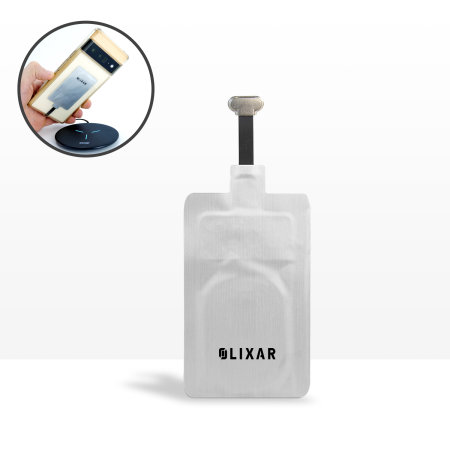
- Receiver Coil: The part inside the phone or device.
- Power Adapter: The plug that gives electricity to the pad.
- Control Circuit: The smart part that manages safe power flow.
When all these work together, charging starts. No cable needed. Just place the device on the pad.
Types of Wireless Charging
There are different types of wireless charging. Each works a little differently. Let’s look at the main kinds.
| Type | How It Works | Common Use |
|---|---|---|
| Inductive Charging | Uses magnetic fields between coils. | Phones, watches, earbuds. |
| Resonant Charging | Uses tuned coils for more distance. | Electric cars, larger devices. |
| Radio Charging | Uses radio waves for long range. | Small sensors, low power tools. |
Inductive charging is the most popular. It is safe and simple. Resonant and radio types are growing slowly. They help charge devices that need more space or power.
What Is Qi Wireless Charging?
The most common standard is called Qi. It is used by many phone brands. Qi charging makes sure devices work with different chargers. If your phone has Qi support, you can use any Qi pad. That makes it easy to charge anywhere.
The Qi standard is managed by the Wireless Power Consortium. They check safety and performance. That means less worry for users. You can trust Qi chargers to work well.
Benefits of Wireless Charging
Wireless charging offers many simple benefits. It makes life easier and cleaner.
- No cables to plug or unplug.
- Less wear on ports and connectors.
- Safer from water or dust damage.
- Works with many brands and devices.
- Can charge multiple gadgets at once.
It also looks neat on a desk. You just drop your phone and go. Charging begins automatically. It feels natural and smooth.
Limitations of Wireless Charging
Wireless charging is useful but not perfect. It has some limits.
- Charging can be slower than wired.
- Device must stay on the pad.
- Heat can build up during use.
- Metal cases may block signals.
- Pad placement matters for efficiency.
These limits are improving each year. New technology makes charging faster and cooler. Engineers keep working to make it better.
Safety of Wireless Charging
Many people wonder if wireless charging is safe. The answer is yes. It uses low energy fields. These are safe for humans and animals. Chargers stop working when the device is full. They also stop if something blocks the coils.
To stay safe, always use trusted brands. Cheap pads may not have good protection. They can overheat or fail. Look for certifications like Qi or UL.
How to Use a Wireless Charger
Using a wireless charger is simple. Follow these steps:
- Plug the charger into power.
- Place your phone or device on the pad.
- Check if the light shows charging.
- Wait until the battery is full.
- Remove the device when done.
Make sure your phone case is not too thick. Some cases stop the energy flow. Metal parts can block power too. Keep the pad clean and dry.
Wireless Charging Speed
Speed depends on the charger power and phone type. Some chargers give 5 watts. Others give 15 watts or more. Higher watts mean faster charging. But some phones limit power for safety. Always use chargers made for your device.
Even if slower, wireless charging is convenient. You can charge while working or sleeping. No need to handle cables at night.
Wireless Charging in Daily Life
Wireless charging is now part of daily life. Many cafés and airports have charging pads. Cars include wireless trays for phones. Desks have built-in chargers for easy use. It saves time and keeps spaces tidy.
Smart homes use wireless charging too. Lamps, tables, and furniture now have pads inside. You just place your gadget and it charges quietly. It feels natural and simple.
Wireless Charging and Environment
Wireless charging helps the environment. Fewer cables mean less plastic waste. It reduces broken cords that end up in trash. Many pads use eco-friendly materials now. That helps reduce pollution and waste.
Energy use is improving too. New chargers stop when not needed. That saves power and money. It supports green technology goals.
Future of Wireless Charging
The future looks bright for wireless charging. Engineers work on better coils and faster power. Soon, we may charge phones from a few feet away. That will make charging easier than ever.
There are tests for charging laptops and kitchen tools too. Imagine your desk charging everything you own. That dream is getting closer. But for now, pads are the most common way.
Credit: www.mobilefun.com
Tips to Improve Wireless Charging
Want better wireless charging? Try these easy tips.
- Keep pad and phone centered.
- Remove thick or metal cases.
- Use certified chargers only.
- Clean pad surface often.
- Avoid extreme heat or cold.
- Check power output before buying.
Small habits help your device stay healthy. Good care gives longer battery life. And safer charging every day.
Wireless Charging Myths
There are some myths about wireless charging. Let’s clear them.
- Myth: It harms batteries.
Fact: It manages power safely. - Myth: It wastes energy.
Fact: Modern pads are efficient. - Myth: It causes radiation.
Fact: It uses safe magnetic fields. - Myth: It works through any case.
Fact: Thick cases may block it.
Understanding these facts helps use chargers wisely. Always follow maker advice for best results.

Credit: www.amazon.com
Wireless Charging for Different Devices
Phones are most common for wireless charging. But other devices use it too. Smartwatches, earbuds, and tablets are joining the list. Even toothbrushes and small tools use wireless power now.
| Device Type | Supports Wireless Charging | Charging Time |
|---|---|---|
| Smartphones | Yes | About 2 hours |
| Smartwatches | Yes | About 1 hour |
| Earbuds | Yes | About 1.5 hours |
| Tablets | Some models | About 3 hours |
Each device has different power needs. Chargers adjust power to match each one. That keeps batteries safe and lasting longer.
Frequently Asked Questions
What Is Wireless Charging And How Does It Work?
Wireless charging uses electromagnetic fields to transfer energy from a charging pad to a device without a cable.
Do All Phones Support Wireless Charging?
No. Only phones with built-in Qi or compatible wireless charging technology can use it.
Is Wireless Charging Slower Than Wired Charging?
Yes, wireless charging is usually slower because of energy loss during power transfer.
Can I Use My Phone While Wireless Charging?
Yes. You can use it for calls or messages, but charging may slow down slightly.
Conclusion
Wireless charging is simple and helpful. It removes cable stress. It makes spaces neat and clean. It is safe for people and devices. It works through coils and magnetic fields. It is found everywhere now.
From phones to cars, wireless power is growing fast. It helps us charge easier and stay connected. Learning the basics helps you use it better. It is not magic, but it feels close. Just place your phone, and power flows.
Now you know how wireless charging works. You know its benefits and limits. You know how to use it safely. That is enough to enjoy this easy technology every day.